
And Give Us Our Daily Sex
1979
No user ratings available yet
Diversity score: 5.1 out of 10
1964
Director
Renato Castellani, Marco Ferreri, Franco Rossi
Runtime
109 minutes
Average Rating
No ratings yetSynopsis
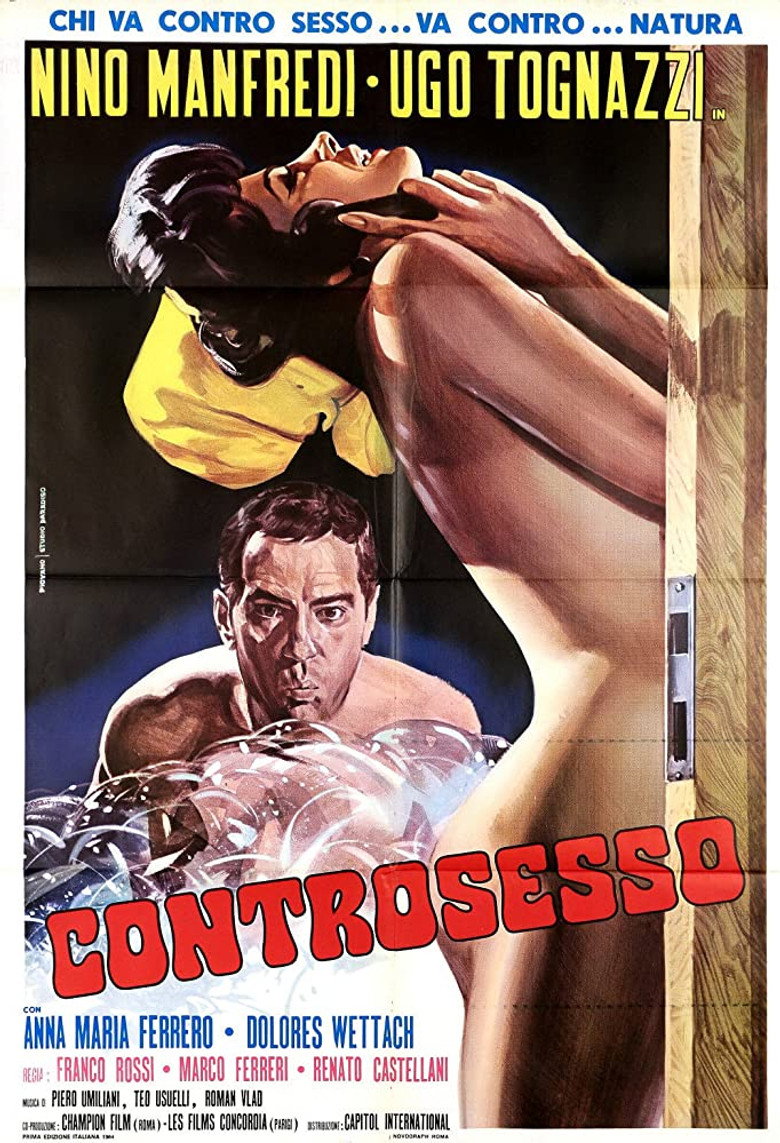
A vivid assortment consisted of three acts taken from the lives of modern 1960s Italians, always in orbit around the restless theme of sexual inhibition and the pursuit of pleasure in sex.
Overall Score
Fair
Category Breakdown
LGBTQ+ Representation
The film explores non-traditional desires through its focus on sexual inhibition. While specific queer identities are not explicitly detailed, the directors' history of challenging social taboos suggests a thematic openness to identities outside the heteronormative standard.
Gender Representation
The narrative subverts mid-century archetypes by centering on the pursuit of pleasure. This focus allows women to appear as active participants in negotiating social boundaries rather than purely domestic or submissive figures.
Racial & Ethnic Diversity
The setting and cast reflect the localized social landscape of 1960s Italy. The production appears predominantly homogeneous, with no evidence of significant racial blending or non-Mediterranean diversity.
Religious & Cultural Diversity
The film critiques restrictive religious and conservative social structures. By focusing on the tension between pleasure and inhibition, it embraces a secular, modernistic worldview that prioritizes individual autonomy over traditionalist constraints.
Disability Representation
There is no discernible evidence regarding the portrayal of physical or neurodivergent disabilities within the film's narrative.
Strengths
Areas for Improvement
AI Analysis
Controsesso functions as a sociological critique of 1960s Italian morality. Its strength lies in its progressive interrogation of sexual agency and the deconstruction of traditionalist social codes through its anthology format. However, the film is limited by the demographic homogeneity of its era. The focus remains tightly localized within the Italian social landscape, lacking broader racial or intersectional depth. Ultimately, the work succeeds as a cultural critique of institutional inhibition, even if it lacks diverse representation in terms of race or disability.
1979
1972
1974
1983
1965

2002
1973
1972
1979
1966
1971

1982
No reviews yet. Be the first to share your thoughts on this movie!
Use the rating form above to leave a star rating and optional review.