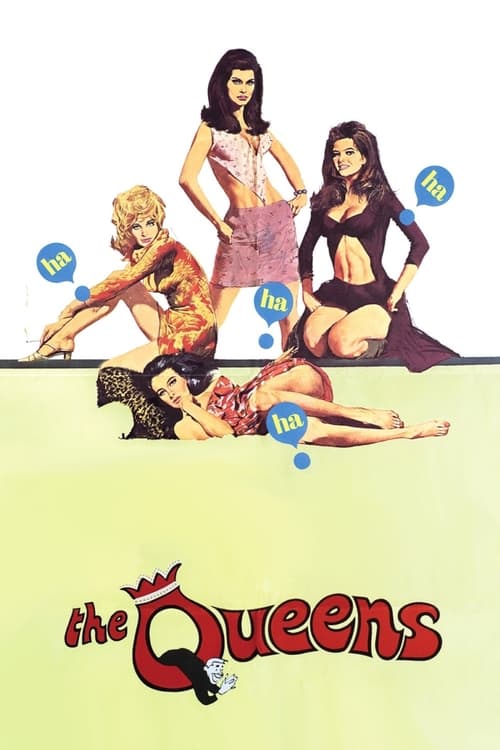
The Queens
1966
No user ratings available yet
Diversity score: 5.1 out of 10
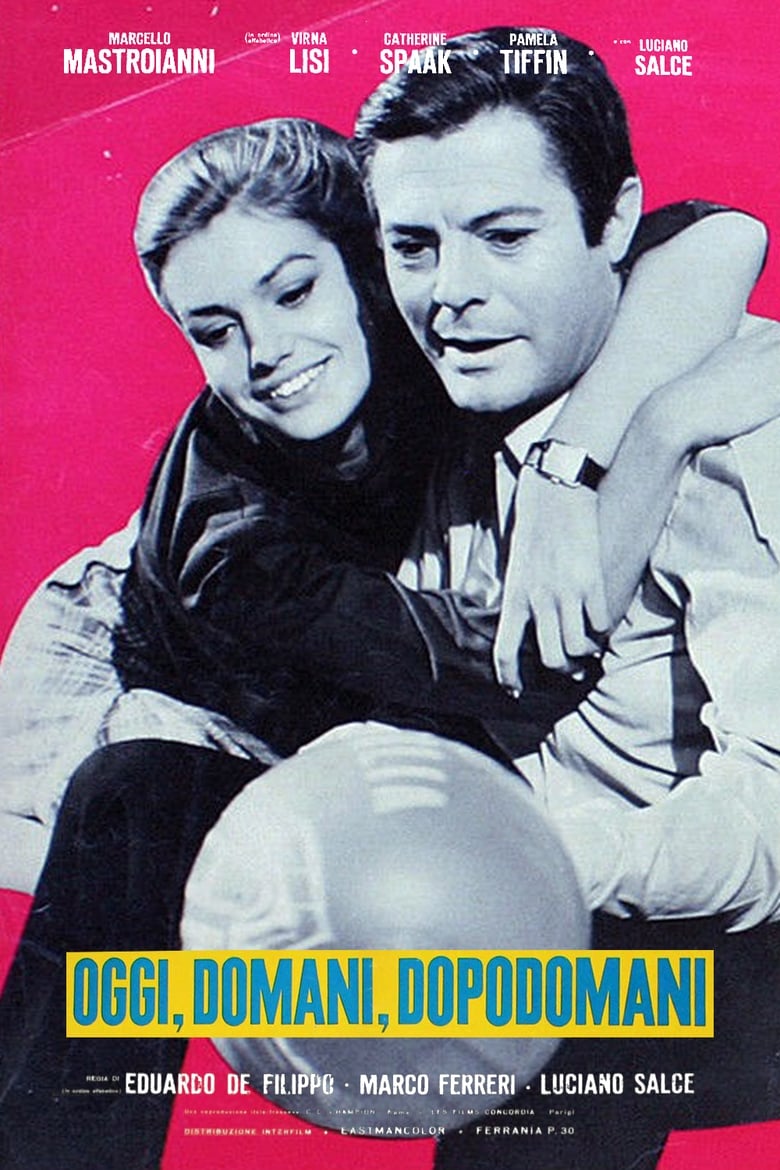
1965
ApprovedDirector
Marco Ferreri, Eduardo De Filippo, Luciano Salce
Runtime
95 minutes
Average Rating
No ratings yetSynopsis
Italian comedy film in three segments
Overall Score
Fair
Category Breakdown
LGBTQ+ Representation
The film reflects the comedic constraints of 1960s Italy. It lacks overt queer identities, often relegating non-heteronormative themes to subtext or caricature rather than centered narratives.
Gender Representation
The segments disrupt traditional domestic hierarchies by highlighting the friction between patriarchy and emerging female agency. It offers a satirical critique of mid-century gender dynamics.
Racial & Ethnic Diversity
Casting remains largely homogeneous, focusing on domestic Italian social strata. There is no significant evidence of intersectional racial diversity or subversion of casting norms.
Religious & Cultural Diversity
The anthology structure excels at critiquing Western institutions. It uses satire to portray the breakdown of the nuclear family and the rigidity of religious decorum.
Disability Representation
There is no significant evidence regarding the portrayal of physical or neurodivergent disabilities within the film.
Strengths
Areas for Improvement
AI Analysis
This Italian anthology comedy serves as a sophisticated piece of social commentary. It succeeds by deconstructing traditional family structures and mocking established social hierarchies through a relativistic lens. However, the film lacks modern intersectional breadth. It remains limited by the era's cinematic norms, particularly regarding racial visibility and explicit LGBTQ+ representation. Ultimately, the work is defined by its skepticism toward traditionalist values, favoring a fragmented view of the human condition over idealized morality.
1966
1974
2021
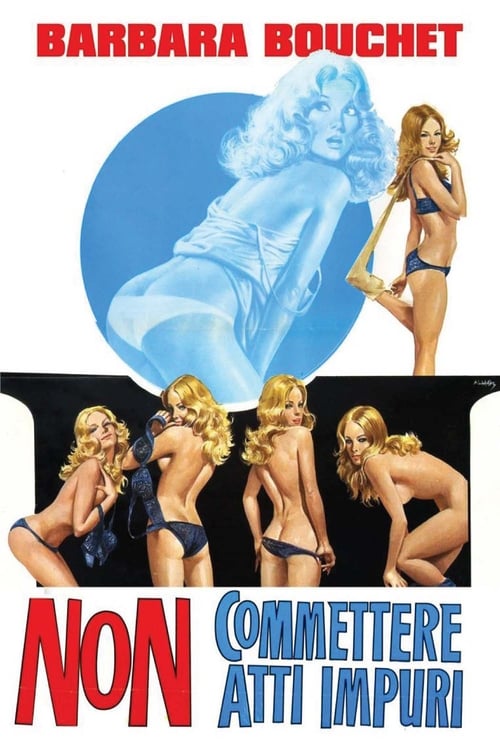
1971
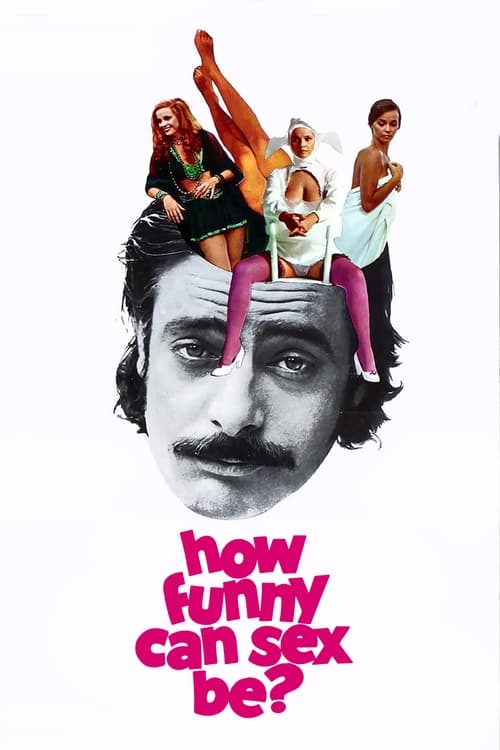
1973
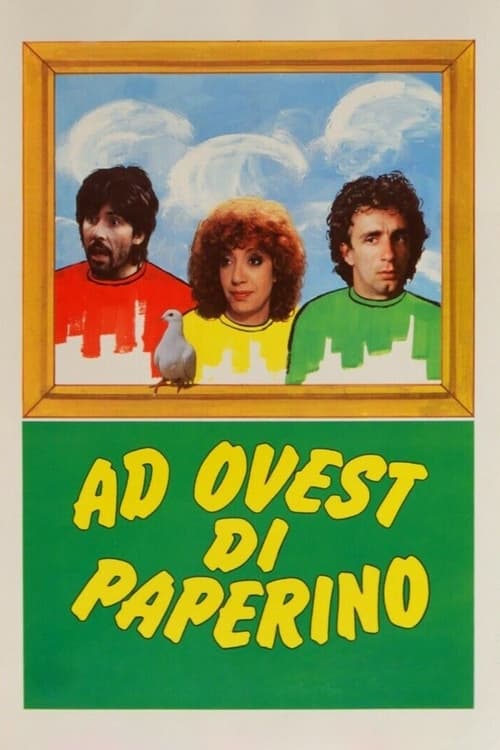
1982
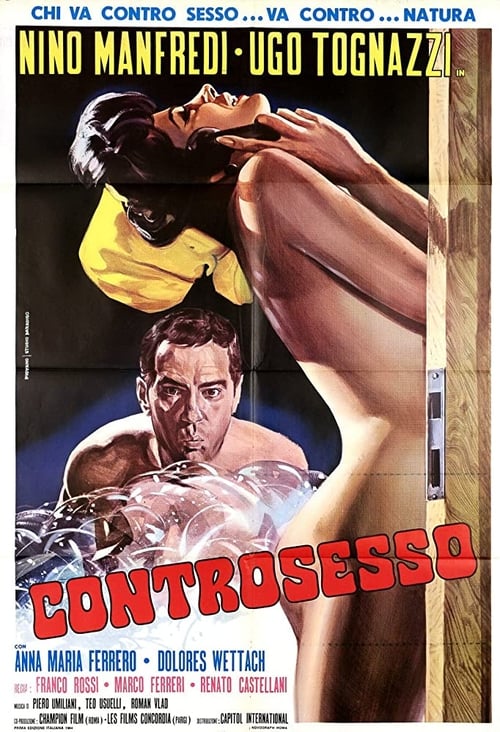
1964

2013

1971
1975
1976

2021
No reviews yet. Be the first to share your thoughts on this movie!
Use the rating form above to leave a star rating and optional review.