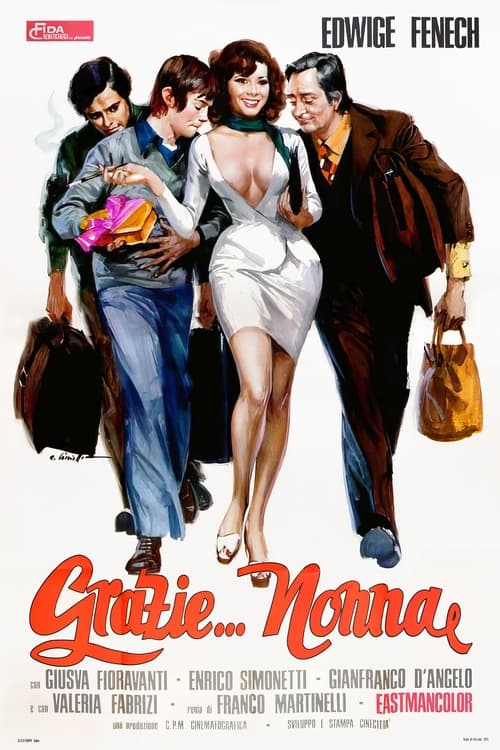
Lover Boy
1975
No user ratings available yet
Representation score: 3.9 out of 10

Representation Score
Fair
1982
Director
Marco Risi
Runtime
98 minutes
Average Rating
No ratings yetNew Showbiz Analysis
Marco Risi’s comedy serves as a bridge between rigid mid-20th-century social structures and modern individualism. The film dismantles traditional family units by highlighting the protagonist's quest for personal freedom. While the film advances themes of secularism and personal autonomy, it falls short in representing diverse identities, especially concerning race and gender roles. It primarily reflects the social norms of its time. Overall, the work examines the tension between generations and the dissolution of traditional family bonds, yet it offers limited representation of diverse identities.
Category Breakdown
The film touches on a protagonist's journey towards understanding their sexuality and independence, but it does not explicitly address LGBTQ+ identities or non-cisgender relationships.
The story revolves around a young man's quest to define himself independent of his parents' influence. While it challenges traditional patriarchal structures, the specific roles and impact of female characters are not clearly defined.
Reflecting the demographic uniformity typical of 1982 Italian cinema, the film does not include characters from different racial backgrounds. It focuses on local social dynamics without exploring issues related to race.
The plot emphasizes personal growth and sexual education over traditional religious values. This focus suggests a shift towards secularism and away from religious traditions.
The film does not provide any information about characters with physical or neurodivergent conditions.
Present on Screen
Limited or Absent
Official Synopsis
Giacomino, tired of living at home with his parents, goes to his own place, but his neighbour, mr. Giuseppe, convinces himself to teach Giacomino about sex...
1975
1981
1998
1997
2008

1983

2012

2016
No reviews yet. Be the first to share your thoughts on this movie!
Use the rating form above to leave a star rating and optional review.