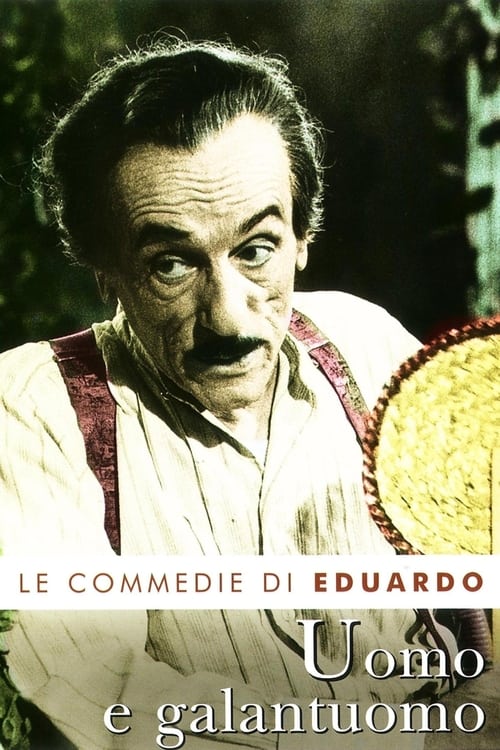
Uomo e galantuomo
1975
No user ratings available yet
Representation score: 4.5 out of 10
Representation Score
Fair
1971
Director
Giulio Petroni
Runtime
95 minutes
Average Rating
No ratings yetNew Showbiz Analysis
Giulio Petroni’s comedy offers a moderate level of progressive representation by critiquing established social structures. While it adheres to the era's focus on homogeneous European identities, it avoids being a purely traditional domestic drama. The film's strength lies in its critique of established social structures, presenting a more secular and morally relative framework compared to many contemporary works. However, it lacks diversity in terms of race and LGBTQ+ identities, and relies on conventional romantic clichés for character development.
Category Breakdown
The film does not include any explicit LGBTQ+ characters or non-straight relationships. It focuses solely on the romance between Pino and Maria Teresa.
Although the plot follows typical courtship stories, Nadine's role as Damiano's partner introduces a less traditional family dynamic.
Set in Assisi, the film features a cast that is predominantly Italian and lacks significant racial or ethnic diversity.
The film challenges traditional norms by focusing on a communist revolutionary, disrupting the portrayal of conservative Italian families.
The film does not feature any characters with visible or invisible disabilities.
Present on Screen
Limited or Absent
Official Synopsis
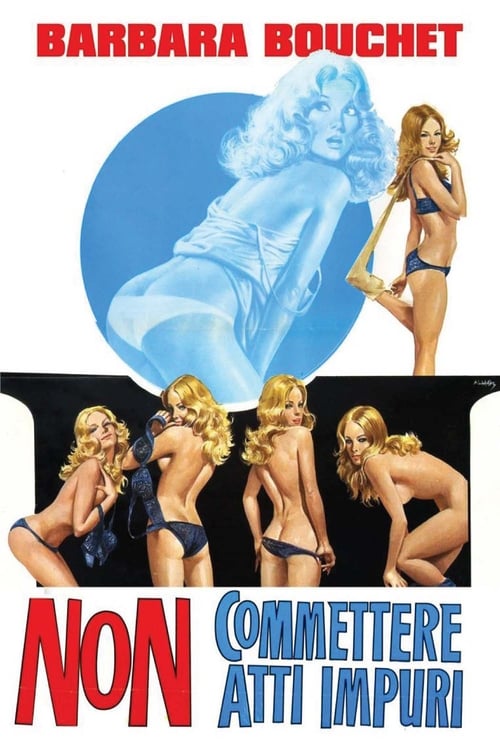
Pino is a young man who lives in Assisi with his father Damiano, a communist revolutionary, and his partner Nadine. One day Pino sees Maria Teresa studying Latin and starts giving her some lessons. Soon they fall in love.
1975
1978
1964
1981
1974
1975
1982
1971
No reviews yet. Be the first to share your thoughts on this movie!
Use the rating form above to leave a star rating and optional review.