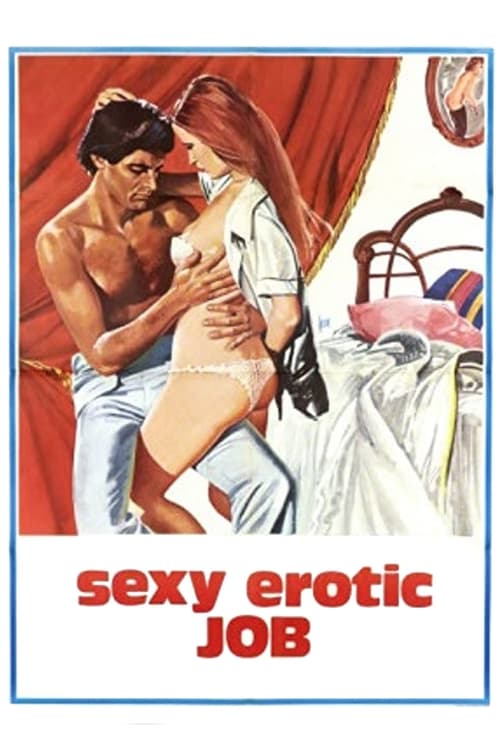
Sexy Erotic Job
1975
No user ratings available yet
Representation score: 3.9 out of 10
Representation Score
Fair
1974
Director
Jesús Franco
Runtime
98 minutes
Average Rating
No ratings yetNew Showbiz Analysis
Jesús Franco’s film offers a moderate approach to diverse representation. It stands out by challenging traditional gender roles and dismantling conventional class and moral structures. The film highlights Célestine’s role as a catalyst for change within a stagnant aristocratic household. This provides a progressive contrast to typical period dramas of the time. However, the film falls short in other areas. The lack of racial diversity and explicit LGBTQ+ identities prevents it from achieving a higher level of inclusivity.
Category Breakdown
The film presents a relaxed attitude towards sexuality that challenges traditional views. However, it does not explicitly confirm or show same-sex relationships.
Célestine is portrayed as a strong force for change rather than a passive figure. Her role disrupts traditional hierarchies and brings new life to the isolated estate.
The setting seems to reflect the homogenous social structures of a 1970s European estate. There is no indication of a multicultural cast or diverse representation.
The film criticizes stagnant class structures and traditional institutions. It emphasizes secular sexual freedom over strict religious or moral frameworks.
There is no information available regarding the depiction of physical or neurodivergent disabilities in this film.
Present on Screen
Limited or Absent
Official Synopsis
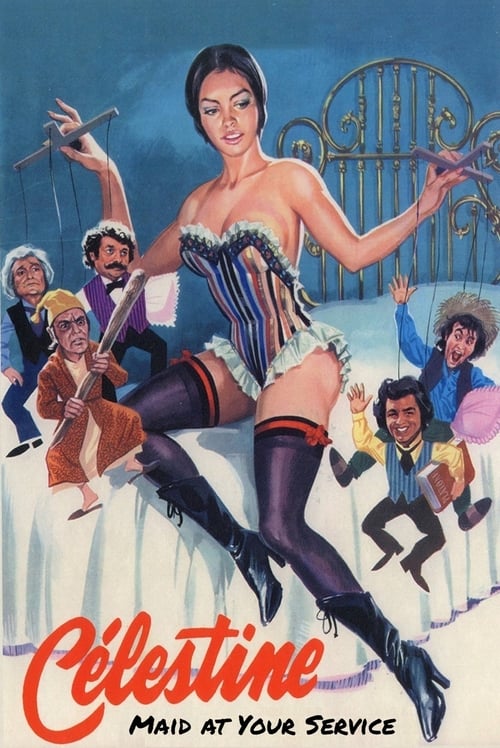
The story opens with Celestine eluding arrest with a friend as the police raid a brothel. While hiding out in the hayloft of the Count de la Braquette's estate, she meets the hayseed handyman Sébastien and the butler Malou, who reward her favors with the offer of employment. In a manner recalling Terence Stamp's effect on the household in TEOREMA, Celestine's open and relaxed attitude toward sexuality has a transformative effect on the isolated, moribund inhabitants of the mansion, imbuing them with gift of renewed life for the men and women alike, that remains even after a third act twist that forces her to betray them.
1975
1964
1983

1974
1976
1969
1979
1967
No reviews yet. Be the first to share your thoughts on this movie!
Use the rating form above to leave a star rating and optional review.