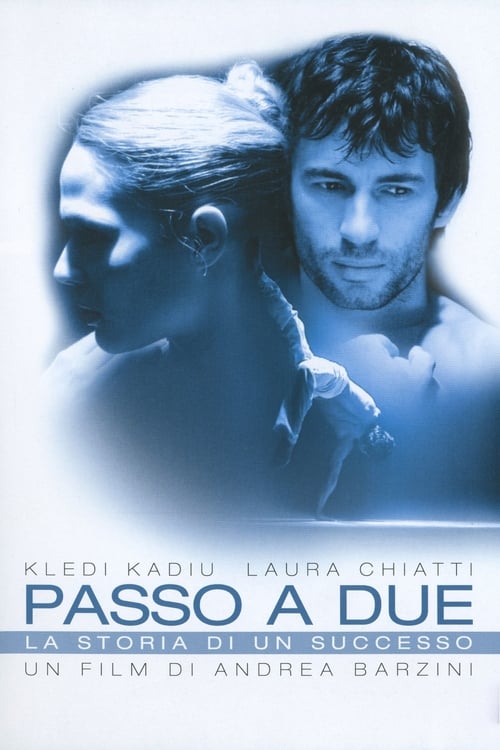
Pas de Deux: The Story of a Success
2005
No user ratings available yet
Representation score: 5.3 out of 10
Representation Score
Fair
2002
Director
Sabina Guzzanti
Runtime
0 minutes
Average Rating
No ratings yetNew Showbiz Analysis
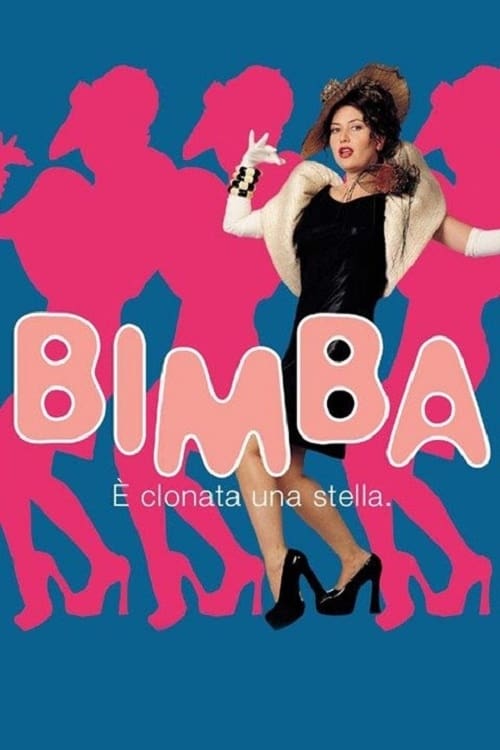
Bimba is a satirical exploration of identity and the commodification of individuals within mass media. It succeeds by challenging the 'talentless showgirl' stereotype, replacing it with a character driven by existential motivations and a rejection of her predetermined biological template. The film's strength lies in its cultural critique, using the concept of a celebrity clone to mock the superficiality of Western media hierarchies. It goes beyond simple character clichés to examine the instability of identity in a postmodern world. However, the film lacks breadth in other areas. There is no evidence of LGBTQ+ representation or significant racial diversity, and the narrative does not address disability, leaving these dimensions of representation largely untouched.
Category Breakdown
The film does not feature any explicitly LGBTQ+ characters or representations of non-straight relationships. While the protagonist's identity crisis touches on themes of self-discovery, there are no specific queer identities highlighted.
The story centers on a female protagonist who challenges the typical 'showgirl' stereotype. Rather than being a passive figure, she actively navigates the industry with strong motivations and control over her own destiny.
The narrative focuses on a character cloned from a forgotten American actress, introducing cross-cultural elements. However, there is no significant racial blending or multi-ethnic cast.
The film provides a sharp critique of globalized media and Western celebrity culture. It uses a surreal lens to deconstruct the superficiality and absurdity of the show business industry.
There are no visible or invisible disabilities depicted as central to the narrative arc in this work.
Present on Screen
Limited or Absent
Official Synopsis
Bimba, a superficial showgirl, full of herself and lacking in talent, discovers she is a clone. More angry about the template chosen for her than the experiment itself—an American actress who was famous for a few months and then forgotten—she decides to make her own way in the difficult world of show business, in a surreal world of intrigue and revelations.
2005
1999
2001
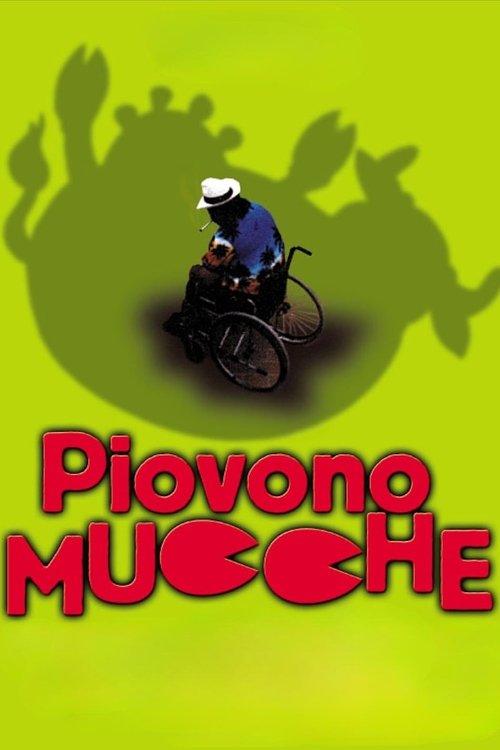
2003
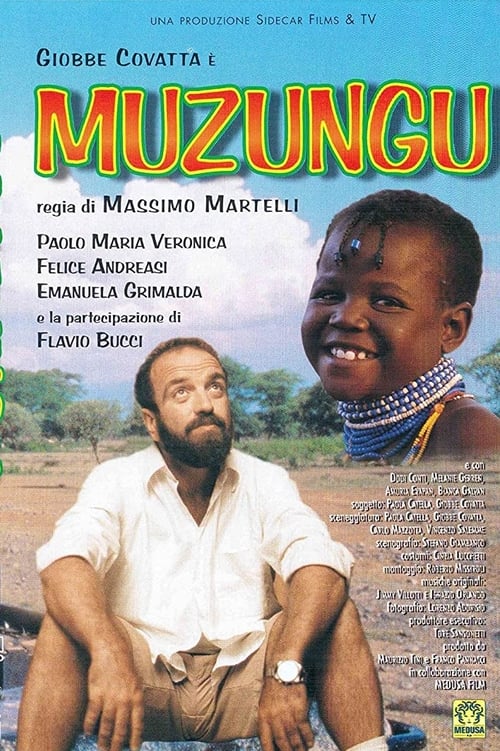
1999
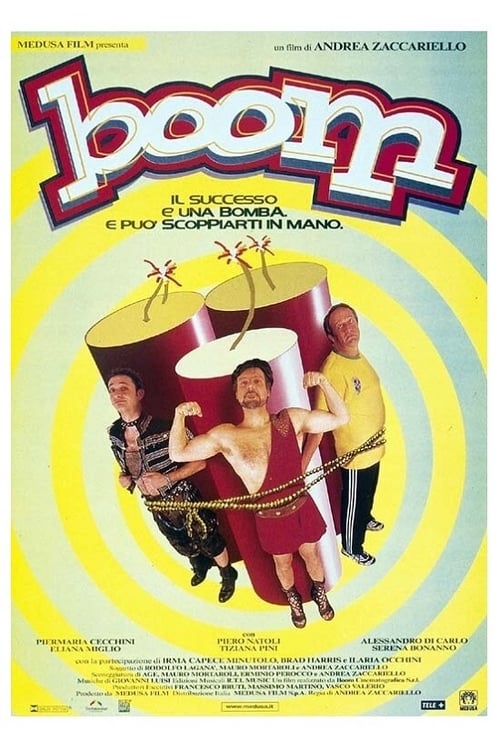
1999

2000
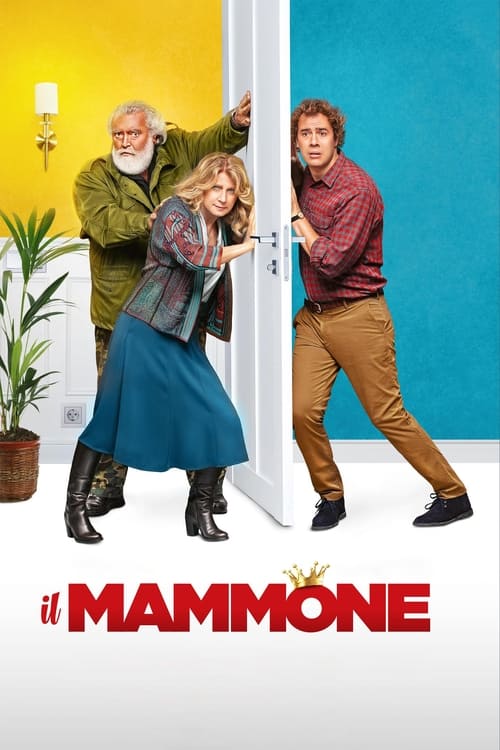
2022
No reviews yet. Be the first to share your thoughts on this movie!
Use the rating form above to leave a star rating and optional review.