
My Pleasure Is Your Pleasure
1973
No user ratings available yet
Representation score: 4.9 out of 10
Representation Score
Fair
1972
Director
Joe D'Amato
Runtime
83 minutes
Average Rating
No ratings yetNew Showbiz Analysis
More Sexy Canterbury Tales operates as a transgressive comedy that questions institutional morality. By placing religious figures in carnal situations, the film effectively critiques asceticism and clerical dogma through a secular perspective. However, the film lacks modern multi-layered depth. While it empowers female characters by subverting traditional gender roles, it remains narrow in demographic representation and does not explore specific LGBTQ+ identities or racial diversity. Ultimately, the film's diversity lies in its thematic rebellion against social norms rather than in its demographic range or character-driven identity representation.
Category Breakdown
The film explores sexual freedom and challenges traditional abstinence. Although specific LGBTQ+ identities are not confirmed, the focus on forbidden pleasures suggests a move away from strict social norms.
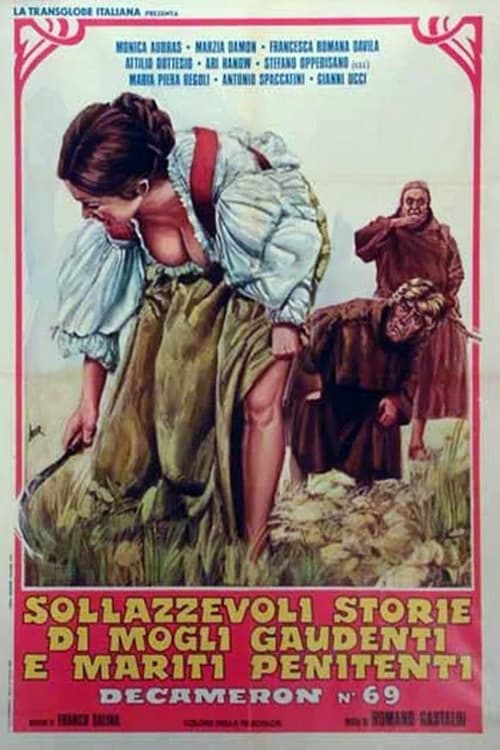
The story highlights the tension between happy wives and repentant husbands. This reversal gives female characters more control over their sexuality, challenging traditional male-dominated household dynamics.
The film adheres to the demographic standards of 1972 Italian erotic comedies. The cast appears ethnically uniform, with no indication of diverse casting or varied ethnic roles.
The movie strongly criticizes religious authority by showing monks engaging in sensual activities. This undermines the sanctity of Western institutions and prioritizes secular pleasure over religious doctrine.
There is no information about the inclusion or portrayal of characters with physical or neurodivergent disabilities.
Present on Screen
Limited or Absent
Official Synopsis
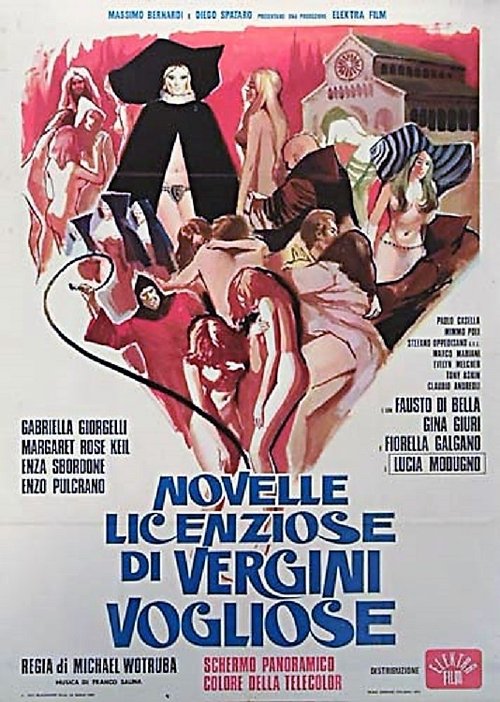
The story of a group of monks, who are enjoying the forbidden pleasure of sexual adventures.
1973
1971

1977
1972
1973
1976
1972
1973
No reviews yet. Be the first to share your thoughts on this movie!
Use the rating form above to leave a star rating and optional review.