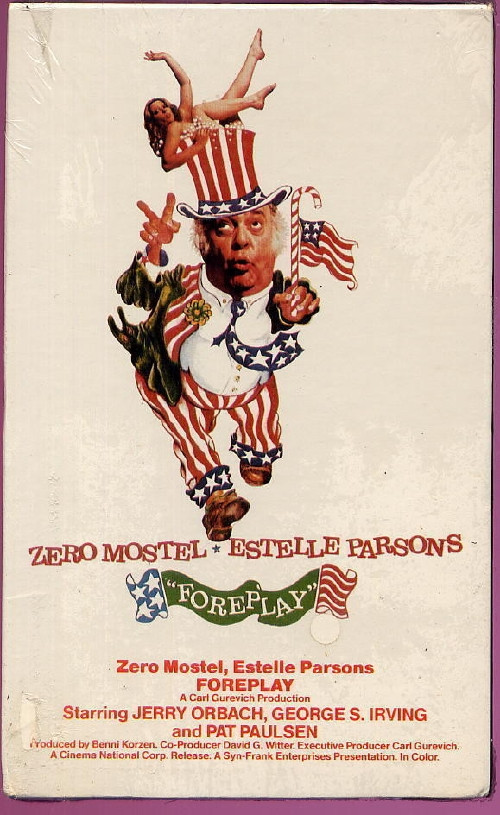
Fore Play
1975
No user ratings available yet
Representation score: 4.3 out of 10
Representation Score
Fair
1972
XDirector
Arthur Meyer
Average Rating
No ratings yetNew Showbiz Analysis
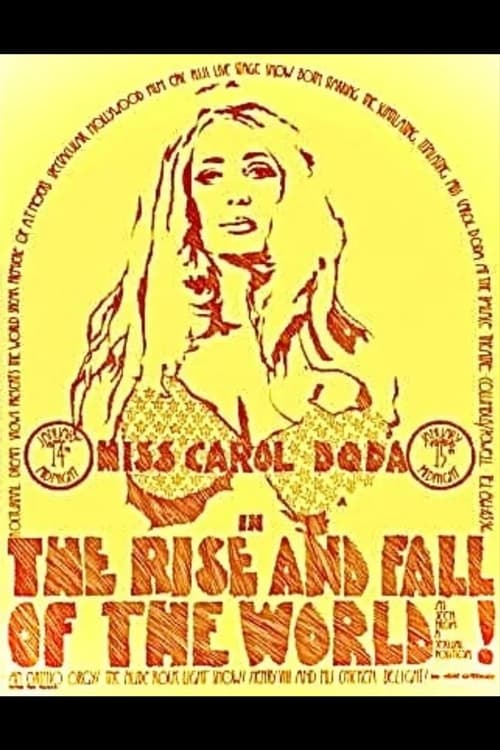
This erotic satire serves as a postmodern critique of social norms, using parody to question the stability of the suburban household. However, it remains limited by the demographic trends of its time, focusing on a suburban couple and lacking racial diversity. The film also does not provide specific LGBTQ+ identities or characters with disabilities.
Category Breakdown
The film focuses on the sexual fantasies of a suburban couple. Although it explores non-traditional sexualities, there is no clear indication of LGBTQ+ individuals taking active roles or having specific identities.
The narrative uses satire to examine sexual norms and social practices. This approach likely challenges traditional gender roles and suburban expectations through humor.
The suburban setting implies a likely homogeneous white demographic typical of 1972 cinema. There is no evidence of diverse racial or ethnic representation in the narrative.
By parodying established cinematic styles, the film challenges traditional religious and moralistic frameworks. It aligns with the era's shift towards moral relativism and questioning social hierarchies.
The film does not mention any characters with visible or invisible disabilities. There is no information available to assess representation in this category.
Present on Screen
Limited or Absent
Official Synopsis
An erotic satire that parodies the styles of Fellini, Busby Berkely and Woody Allen, THE RISE AND FALL OF THE WORLD depicts the sexual fantasies of a suburban couple as it explores the follies and foibles of sexual mores and practices.
1975
1969
1975
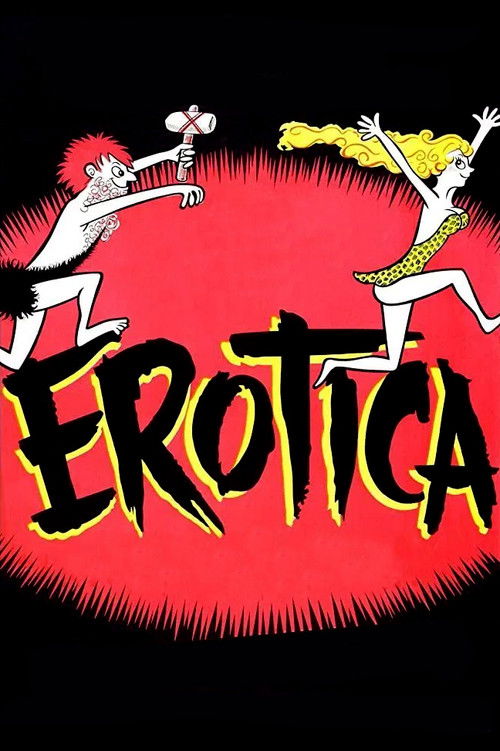
1961
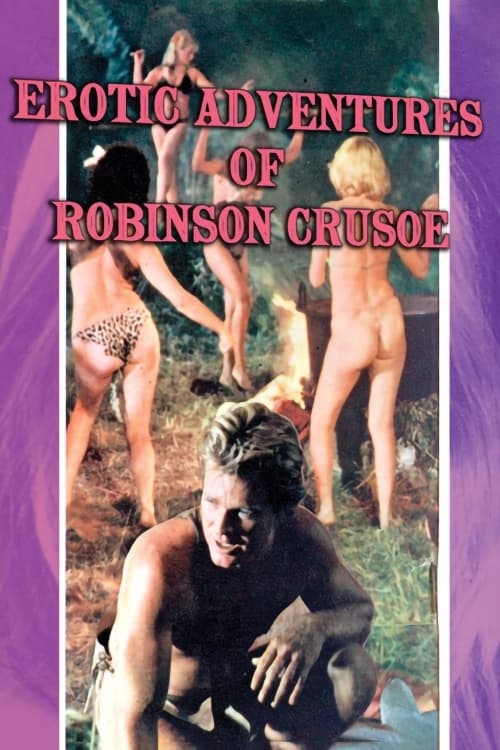
1976
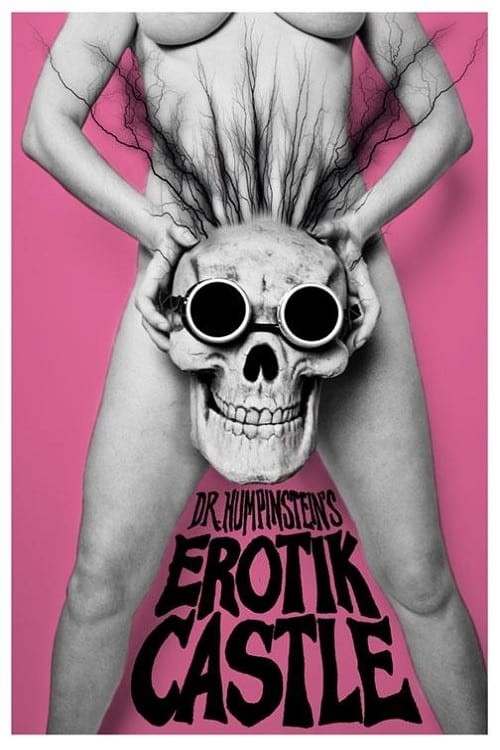
2011
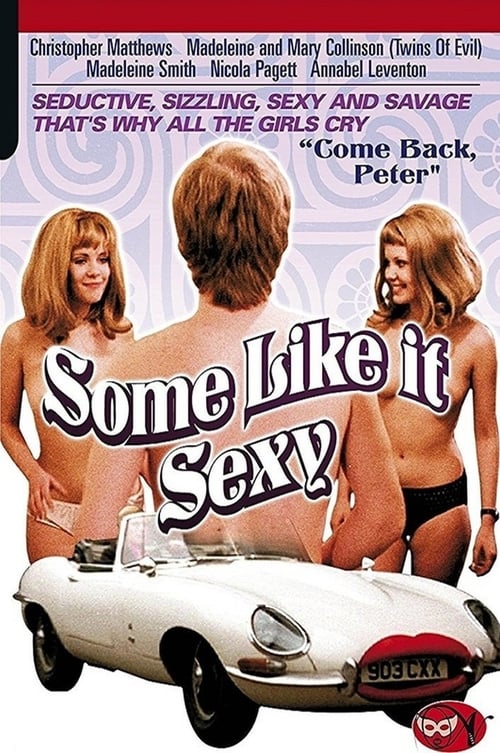
1969

1976
No reviews yet. Be the first to share your thoughts on this movie!
Use the rating form above to leave a star rating and optional review.