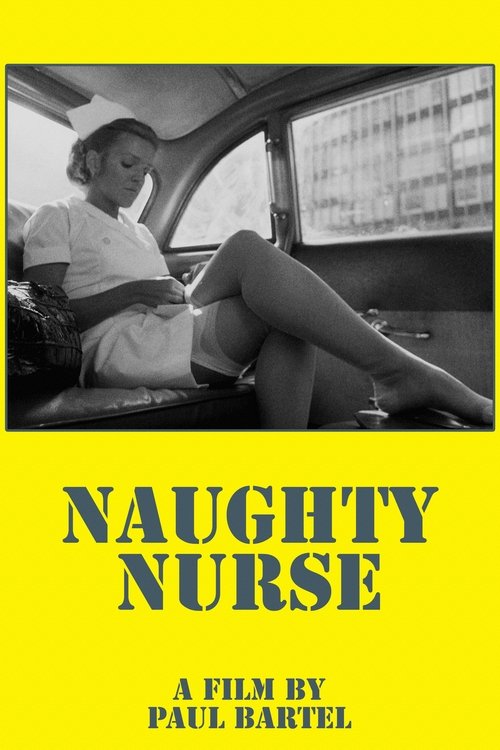
Naughty Nurse
1969
No user ratings available yet
Representation score: 6.1 out of 10

Representation Score
Fair
1979
Director
José Ramón Larraz
Runtime
84 minutes
Average Rating
No ratings yetNew Showbiz Analysis
The film stands out as a departure from traditional conservative domesticity, using exploitation cinema clichés to explore non-traditional social structures. It disrupts gender hierarchies by presenting characters who act independently of traditional roles. However, the film's exploration of non-normative sexualities often serves erotic purposes rather than providing substantial character development. Additionally, the lack of racial diversity limits its broader scope. Ultimately, the film's strength lies in its moral relativism, which prioritizes subjective experience over the rigid social and religious norms of mainstream 1970s cinema.
Category Breakdown
The film includes bisexual nurses, but their portrayal focuses more on eroticism than on deep character development or political influence.
The movie challenges traditional gender roles by showing a mother with significant sexual autonomy. At the same time, it pokes fun at the traditional masculine authority through a husband's vanity.
The film seems to center around a homogeneous community without much diversity or non-Anglo-Saxon representation.
By highlighting infidelity and voyeurism as central experiences rather than moral failings, the film questions the sanctity of the traditional Western family and religious ethics.
There are no characters with visible or invisible disabilities in the film.
Present on Screen
Limited or Absent
Official Synopsis
A pair of sexy bisexual nurses live in an apartment building, one floor up from a middle-aged couple and their son Albert, who is busy putting his new science project—a periscope—to good use by spying on the lingerie-wearing lovelies. Meanwhile, Albert’s mother is being even naughtier than her precious boy, sneaking off for some extra-marital action while her hair-obsessed husband is at the salon, having his follicles tended to. There are multiple versions of this movie - the original softcore version as well as a harder one with inserts of intimate close-ups performed by body-doubles.
1969
1969
1972
1979
1968
1983
1970
1972
No reviews yet. Be the first to share your thoughts on this movie!
Use the rating form above to leave a star rating and optional review.