
Yellow Crow
1957
No user ratings available yet
Diversity score: 3.5 out of 10

1954
Director
Heinosuke Gosho
Runtime
122 minutes
Average Rating
No ratings yetSynopsis
Follows the story of an insurance company executive from Tokyo, Mr. Mito, who is demoted to the Osaka office. He takes a room at a small inn and tries to rebuild his life.
Overall Score
Fair
Category Breakdown
LGBTQ+ Representation
The film lacks documented LGBTQ+ characters or non-heteronormative identities. The narrative focuses instead on the protagonist's socioeconomic struggles within established social structures.
Gender Representation
The story disrupts traditional hierarchies by centering on O-Kiyo's agency and internal struggle. It explores the systemic vulnerabilities women face within a patriarchal society, highlighting their emotional resilience.
Racial & Ethnic Diversity
Set in the Edo period, the film features a homogeneous Japanese cast. This lack of ethnic diversity reflects the historical authenticity of the setting and the era's social constraints.
Religious & Cultural Diversity
The narrative offers a sophisticated critique of traditional institutions and the commodification of humans in the sex trade. It uses moral relativism to frame survival-based decisions through situational ethics.
Disability Representation
There is no significant evidence of physical or neurodivergent disabilities being used as plot devices. The film focuses more on the socioeconomic disability of the lower classes.
Strengths
Areas for Improvement
AI Analysis
Heinosuke Gosho’s drama succeeds as a nuanced social commentary, particularly through its progressive treatment of gender. By centering O-Kiyo, the film moves beyond passive female archetypes to explore the resilience required to navigate patriarchal oppression. The film also provides a sharp critique of traditional social structures and the economic pressures that fracture family units. Its depiction of the 'floating world' offers a complex look at survival and situational ethics. However, the film is limited by its historical homogeneity. The lack of LGBTQ+ representation and the absence of diverse ethnic or physical disability portrayals keep the overall diversity score modest.
1957
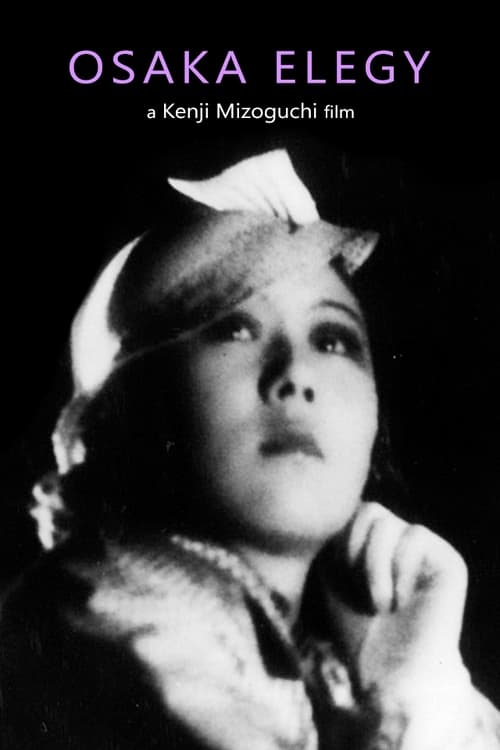
1936
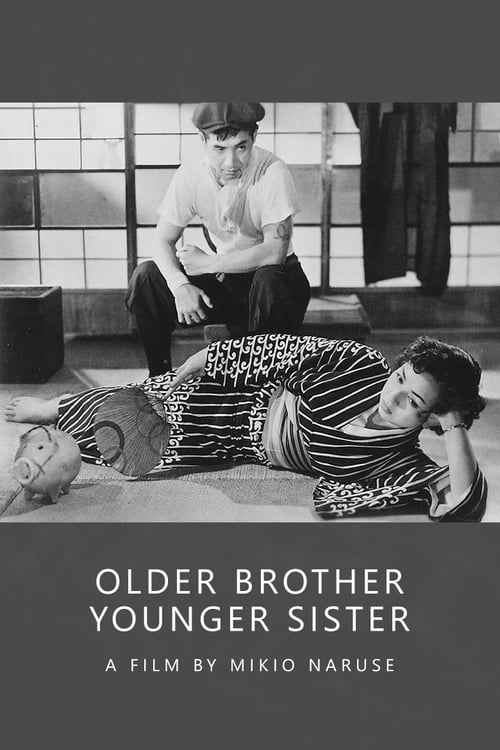
1953
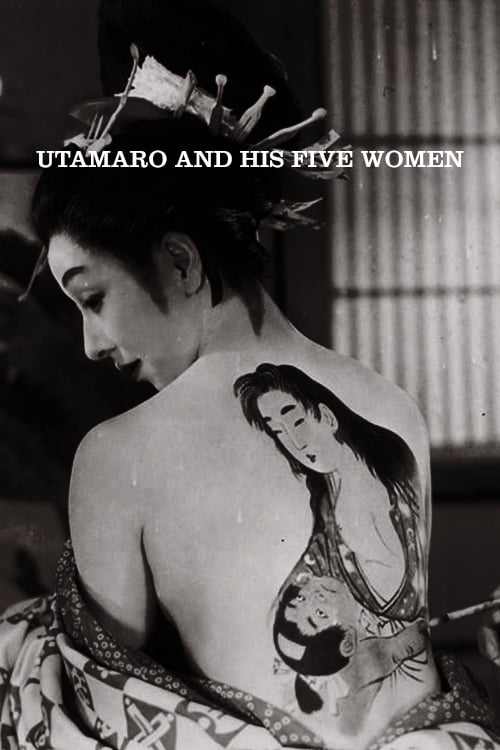
1946
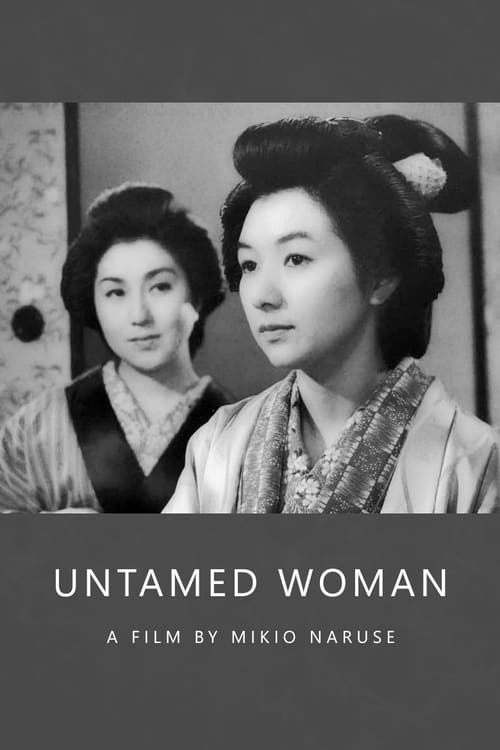
1957

1948
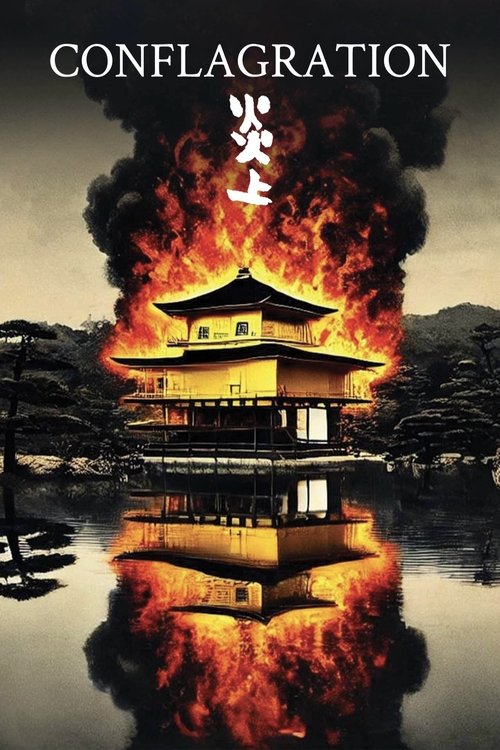
1958
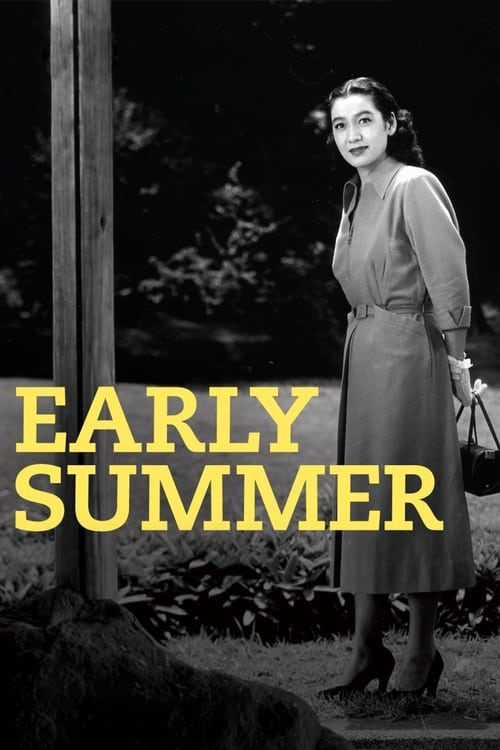
1951
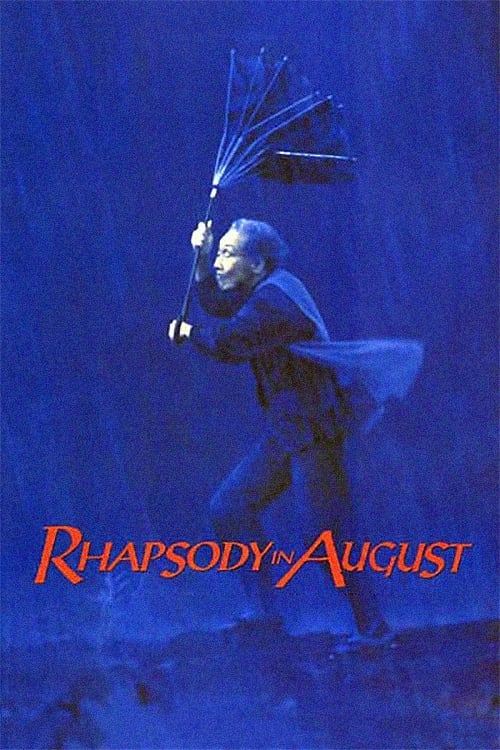
1991

1948
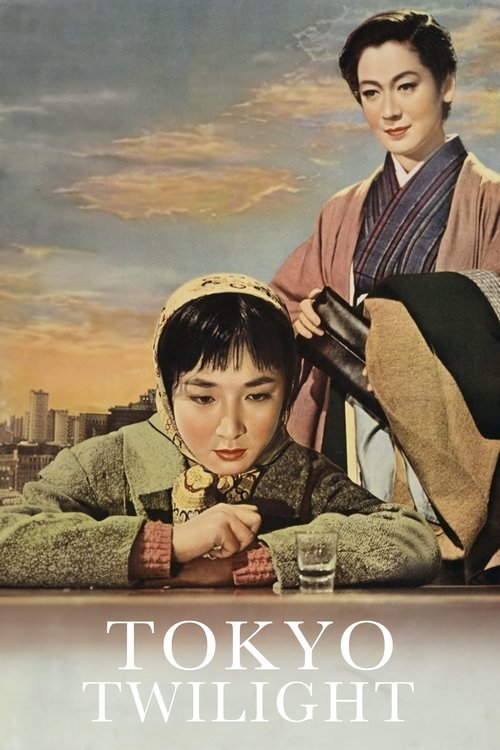
1957
1954
No reviews yet. Be the first to share your thoughts on this movie!
Use the rating form above to leave a star rating and optional review.