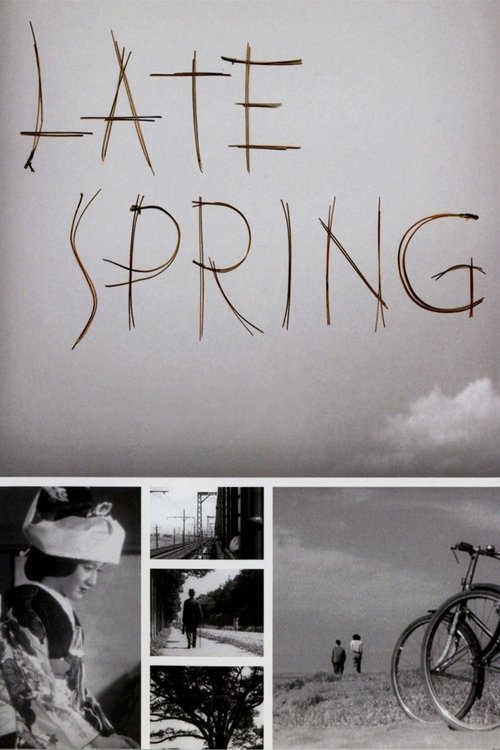
Late Spring
1949
No user ratings available yet
Representation score: 2.8 out of 10
Representation Score
Good
1951
NRDirector
Yasujirō Ozu
Runtime
125 minutes
Average Rating
No ratings yetNew Showbiz Analysis
Yasujirō Ozu’s masterpiece offers a nuanced critique of traditional social hierarchies. By focusing on Noriko’s quest for autonomy, the film provides a sophisticated examination of the domesticity imposed on women in postwar Japan. Though the film lacks diversity in LGBTQ+ representation and multi-ethnic casting, it compensates through a deep, humanistic exploration of evolving cultural norms. It moves beyond simple melodrama to explore the tension between individual freedom and systemic social pressure. Ultimately, the film’s strength lies in its refusal to uphold the sanctity of the traditional household, instead presenting the evolution of the modern individual as an inevitable force.
Category Breakdown
The film adheres to the social norms of 1951 Japan and does not include LGBTQ+ characters or non-assuming gender matches what was assigned at birth identities, keeping the romantic arcs within the era's straight-focused framework.
Noriko plays a central role by rejecting traditional domestic roles. The film challenges conventional feminine stereotypes by emphasizing her professional independence and personal emotional truth over patriarchal expectations.
Set in postwar Tokyo, the film portrays a culturally homogeneous Japanese society. It avoids a Westernized perspective, providing a genuine and authentic look at Japanese identity during a time of social change.
The narrative dismantles the traditional patriarchal family structure. It presents the dissolution of these structures as a natural progression of modernity, balancing individual well-being against the pressures of filial duty.
The film does not prominently depict physical or neurodivergent disabilities. The story centers on the psychological and social transitions of the characters without using disability as a narrative device.
Present on Screen
Limited or Absent
Official Synopsis
In postwar Tokyo, Noriko lives with her extended family. Although she enjoys her career and her social life, her more traditional family worries about her single marital status at the advanced age of 28. 40-year-old business associate Takako proposes, Noriko's family press her into accepting, but when her widowed childhood friend Kenkichi returns to the neighborhood, she finds her heart leading in another direction.
1949

1960
1962

1950
1952
1961

1958
1956
No reviews yet. Be the first to share your thoughts on this movie!
Use the rating form above to leave a star rating and optional review.