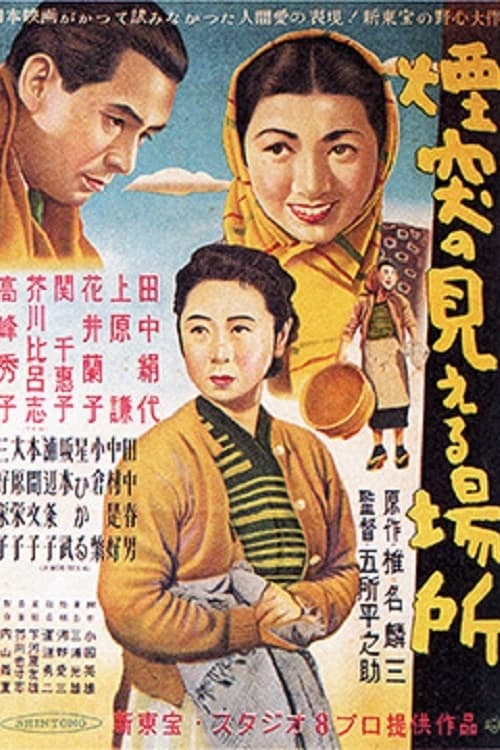
Where Chimneys Are Seen
1953
No user ratings available yet
Diversity score: 4.8 out of 10

1957
Director
Heinosuke Gosho
Runtime
104 minutes
Average Rating
No ratings yetSynopsis
In this Golden Globe winner for Best Foreign-Language Film, director Heinosuke Gosho -- a master chronicler of Japanese middle-class life -- presents the story of Kiyoshi Yoshida (Koji Shitara), who feels estranged from both parents after his father returns from war. How the boy adapts to life with the virtual stranger his father has become is the film's focus. Chikage Awashima, Yûnosuke Itô and Yoshiko Kuga also star.
Overall Score
Limited
Category Breakdown
LGBTQ+ Representation
The film contains no LGBTQ+ characters or narratives. It adheres strictly to the traditional domestic structures of mid-century rural Japan.
Gender Representation
The story examines the disruption of traditional hierarchies through parental inequity. While the father initially holds dominant authority, his eventual realization of fallibility deconstructs the infallible patriarchal archetype.
Racial & Ethnic Diversity
The cast is culturally and ethnically homogeneous, reflecting its rural Japanese setting. It provides an authentic cultural perspective without attempting to disrupt ethnic homogeneity.
Religious & Cultural Diversity
The narrative utilizes Shinto and Buddhist undercurrents as psychological motifs. It portrays a family unit defined by struggle and dysfunction rather than idealized stability.
Disability Representation
There are no prominent depictions of physical or neurodivergent disabilities driving the narrative arc.
Strengths
Areas for Improvement
AI Analysis
Yellow Crow is a psychological character study centered on familial estrangement and the transition from childhood innocence to adolescence. The film finds its strength in exploring the flaws within traditional family hierarchies and the emotional complexities of domestic power imbalances. However, the work is deeply rooted in mid-century social structures. It lacks modern intersectional markers and maintains a homogeneous cast that reflects its specific cultural milieu without seeking to expand its demographic scope.
1953

1954
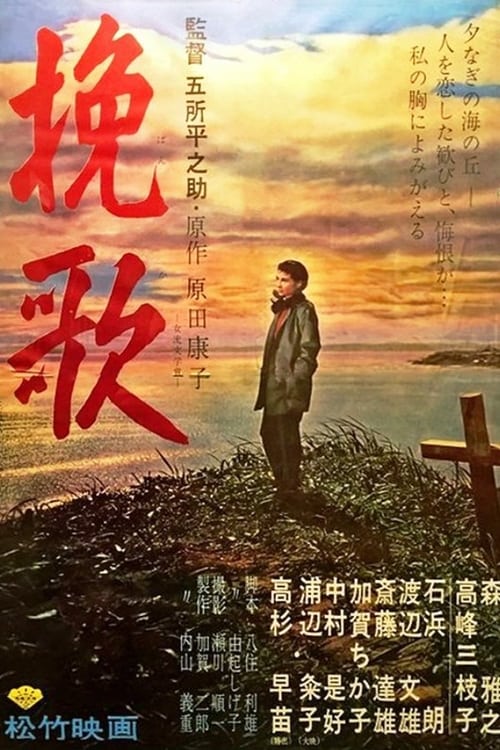
1957
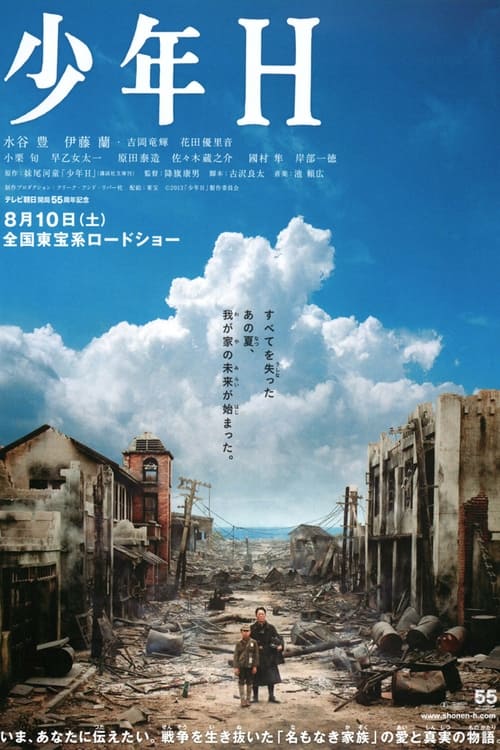
2013
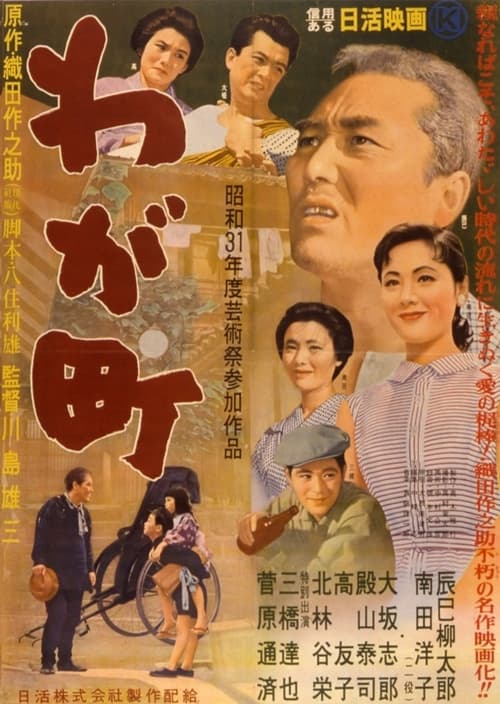
1956
1934
1942
1980
1963
1951
1956
1970
No reviews yet. Be the first to share your thoughts on this movie!
Use the rating form above to leave a star rating and optional review.