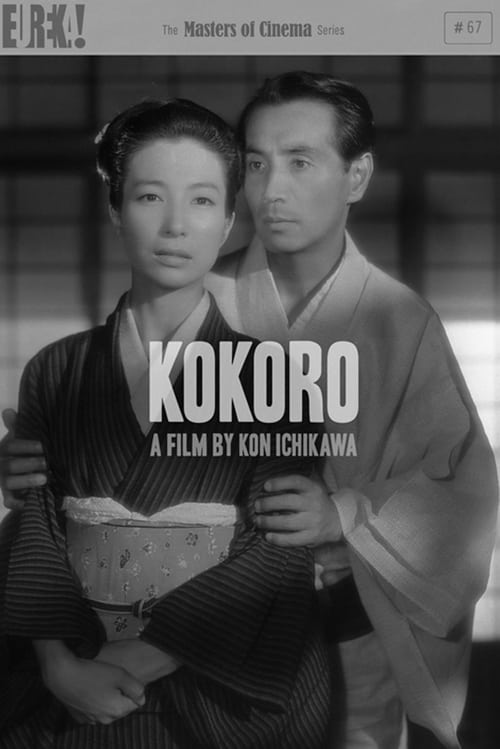
The Heart
1955
No user ratings available yet
Diversity score: 4.1 out of 10
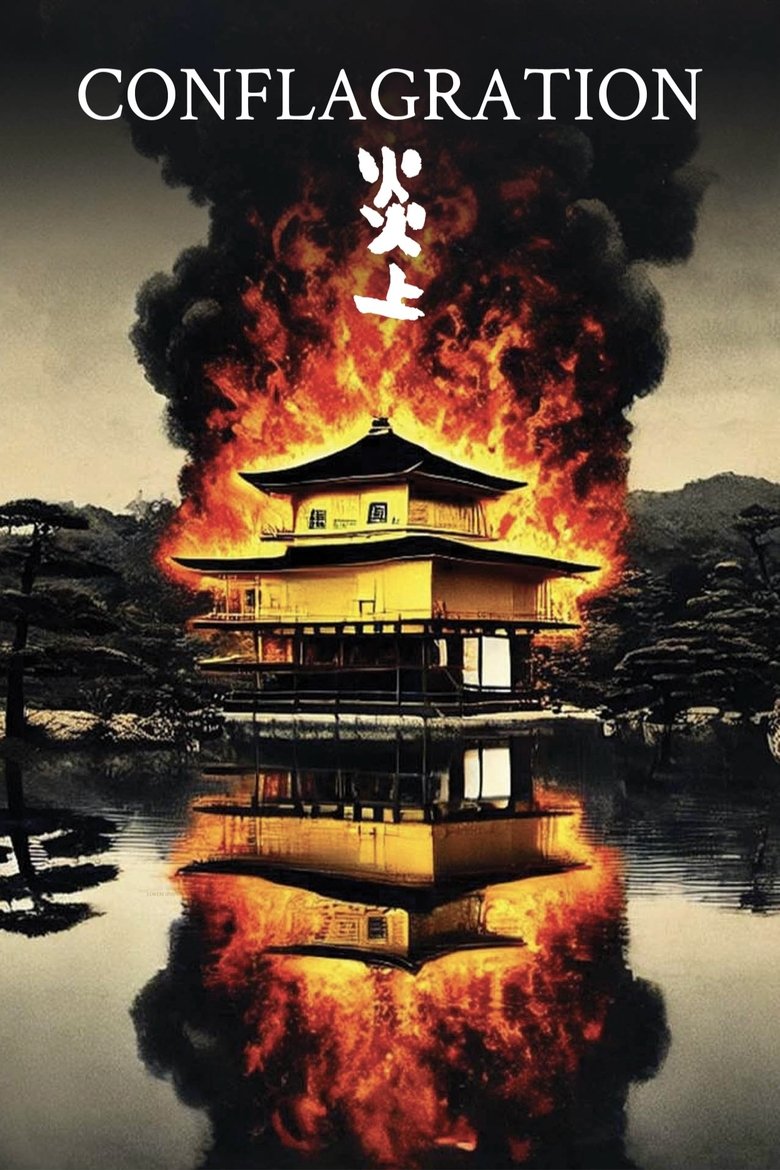
1958
Director
Kon Ichikawa
Runtime
99 minutes
Average Rating
No ratings yetSynopsis
Learning of his family's collapse, acolyte Goichi, sent to study silently at the Temple of the Golden Pavilion, must endure acute psychological distress.
Overall Score
Fair
Category Breakdown
LGBTQ+ Representation
The film focuses exclusively on heterosexual romantic and psychological tensions. There are no depictions of same-sex intimacy or non-cisnormative identities.
Gender Representation
The narrative disrupts mid-century tropes by centering a woman's pursuit of emotional autonomy. Her agency in navigating personal desires challenges traditional expectations of female passivity.
Racial & Ethnic Diversity
The cast and setting are ethnically homogeneous, reflecting post-war Japanese cinema. It avoids a Western lens by centering a purely Japanese socio-cultural experience.
Religious & Cultural Diversity
The film explores the tension between indigenous Japanese values and encroaching Westernized modernity. It critiques traditional institutions as sources of psychological trauma.
Disability Representation
While lacking overt physical disabilities, the film offers a deep study of mental fragmentation. The protagonist's psychological collapse is treated with narrative depth.
Strengths
Areas for Improvement
AI Analysis
Kon Ichikawa’s drama serves as a sophisticated study of identity during a period of intense social transition. It prioritizes the psychological agency of the individual over the preservation of traditional, institutional morality. The film's strength lies in its ability to deconstruct post-war social norms. It frames the breakdown of established structures as a complex evolution of the human condition rather than a simple loss of order. However, the work lacks explicit intersectional markers. The absence of LGBTQ+ representation and multi-ethnic casting limits its breadth by contemporary standards.
1955
1960
1959

1962

1948
1953

1951

1960

1954
1982

1954
1964
No reviews yet. Be the first to share your thoughts on this movie!
Use the rating form above to leave a star rating and optional review.