Nagasaki: Memories of My Son
2015
No user ratings available yet
Representation score: 5.7 out of 10
Representation Score
Good
1991
PGDirector
Akira Kurosawa
Runtime
98 minutes
Average Rating
No ratings yetNew Showbiz Analysis
Kurosawa moves away from grand historical epics to focus on the intimate, domestic realities of survivors. By centering the matriarchal perspective, the film disrupts traditional patriarchal hierarchies often found in war cinema. The narrative effectively uses the arrival of an American nephew to facilitate a dialogue on Western intervention without falling into common clichés. It prioritizes personal, subjective truth over state-sanctioned history. While the film lacks LGBTQ+ representation, it succeeds in exploring the profound psychological and cultural consequences of systemic violence through a deeply personal lens.
Category Breakdown
The film focuses on traditional family structures and assumes everyone is straight or cisgender. There is no presence of queer subtext or non-assuming gender matches what was assigned at birth identities within the household.
The narrative centers on the matriarchal role of Noriko. It shifts power from traditional male leadership to the resilient, quiet authority of the female protagonist.
The cast is ethnically homogeneous, yet the story explores the intersection of Japanese life and American dominance. It avoids white savior clichés by focusing on Japanese survivor ability to act.
The film critiques Western-centric historical narratives by centering the hibakusha experience. It frames the atomic legacy as a human tragedy rather than a geopolitical necessity.
The story addresses invisible disabilities through the lens of intergenerational trauma. Characters navigate the psychological scars and mental health implications of the atomic bombing.
Present on Screen
Limited or Absent
Official Synopsis
An elderly Nagasaki hibakusha spends a summer caring for her four grandchildren, whose curiosity about the 1945 bombing stirs buried memories and moral questions. When an American nephew from Hawaii visits, the family confronts grief, guilt, and the possibility of reconciliation across generations.
2015

1989
2004
1955
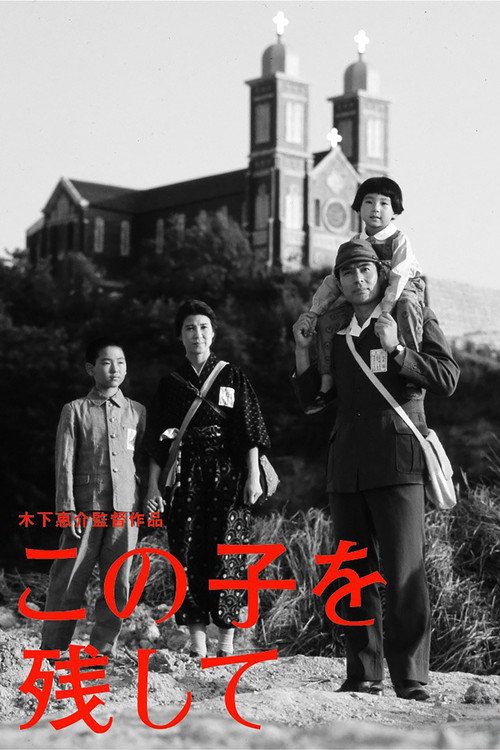
1983
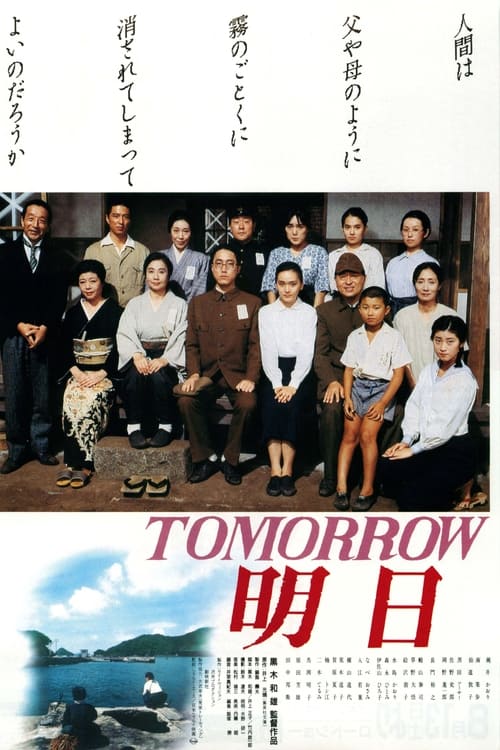
1988
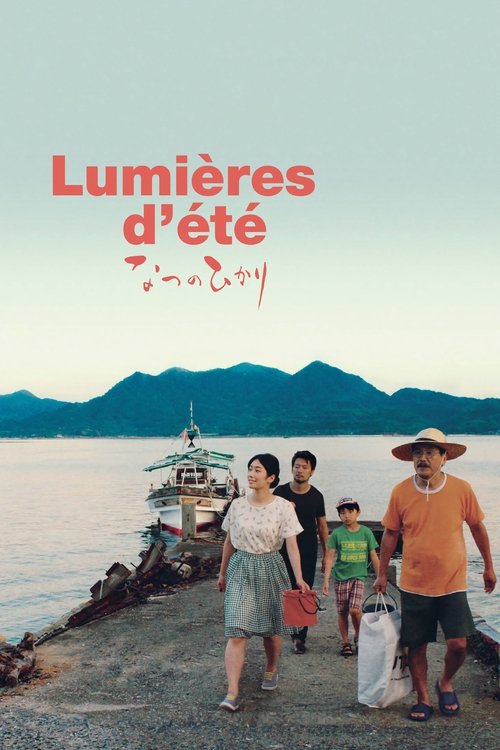
2016
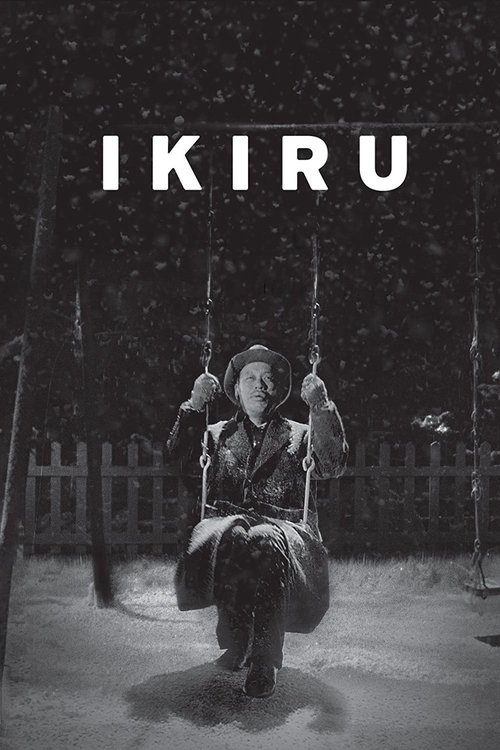
1952
No reviews yet. Be the first to share your thoughts on this movie!
Use the rating form above to leave a star rating and optional review.