
Street of Shame
1956
No user ratings available yet
Representation score: 8.0 out of 10
Representation Score
Good
1946
Director
Kenji Mizoguchi
Runtime
94 minutes
Average Rating
No ratings yetNew Showbiz Analysis
Mizoguchi’s work shines in its exploration of the struggles faced by women in a patriarchal society. By focusing on the lived experiences of women, the film challenges traditional hierarchies and avoids the cliché of the passive muse. However, the film is constrained by its historical context, which limits modern multi-layered diversity. The absence of LGBTQ+ representation and disability portrayal reflects the era’s limitations rather than a lack of depth. Ultimately, the film’s strength lies in its sophisticated critique of systemic inequality, using the Edo period to highlight the human cost of rigid social structures.
Category Breakdown
The film follows the strict social norms of Edo-period Japan and does not include any non-heterosexual identities or same-sex romantic stories.
Mizoguchi focuses on the emotional complexity and self-determination of women. Instead of portraying them as passive figures, the film shows them navigating and surviving within a restrictive society.
The production stays true to historical accuracy with an all-Japanese cast, reflecting the cultural uniformity expected of a period piece set in Japan.
The narrative examines the tension between personal desires and societal oppression within the 'floating world.' It critiques the rigid class and gender hierarchies of the time.
There is no central depiction of physical or cognitive disabilities. Character suffering is framed through socioeconomic and gendered lenses rather than disability.
Present on Screen
Limited or Absent
Official Synopsis
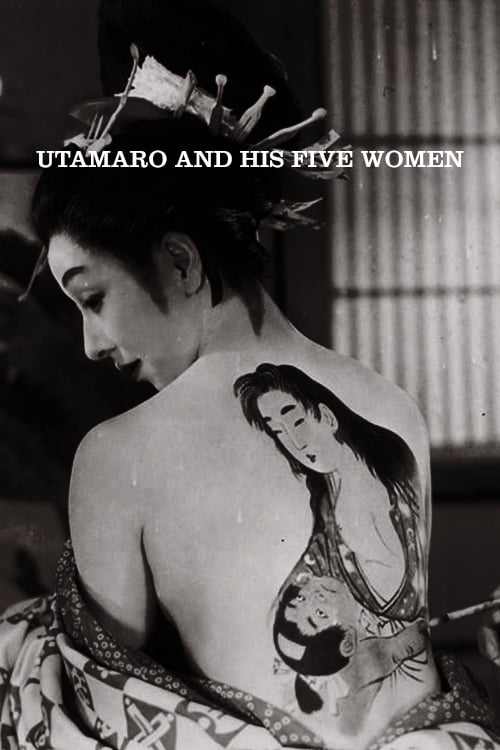
Utamaro, a great artist, lives to create portraits of beautiful women, and the Tokyo brothels provide his models. A world of passion swirls around him, as the women vie for lovers, and, occasionally, his art gets him into trouble.
1956

1952
1947

1952

1953

1996
1948
1948
No reviews yet. Be the first to share your thoughts on this movie!
Use the rating form above to leave a star rating and optional review.