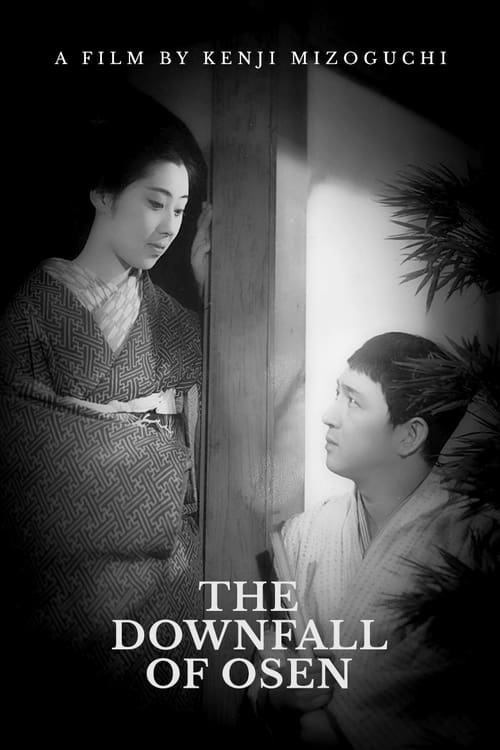
The Downfall of Osen
1935
No user ratings available yet
Representation score: 4.3 out of 10

Representation Score
Good
1936
Director
Kenji Mizoguchi
Runtime
71 minutes
Average Rating
No ratings yetNew Showbiz Analysis
Osaka Elegy is a compelling social realist drama centered around the female experience within a harsh economic framework. By highlighting Matsuko's struggle to pay off her father's debts, the film critiques the systemic issues of the time. The film excels in its nuanced portrayal of gendered ability to act and cultural authenticity. However, it lacks representation for LGBTQ+ identities and individuals with disabilities. The narrative is deeply rooted in the specific socioeconomic conditions of the Japanese working class. Overall, the film's strength lies in its refusal to rely on traditional moral clichés, instead using the protagonist's situation to challenge the sanctity of prevailing social orders.
Category Breakdown
The film focuses exclusively on heterosexual relationships and does not include any characters with diverse sexual orientations or gender identities.
Matsuko challenges traditional gender roles by navigating a dangerous economic environment. She is portrayed as an active participant in her own survival, rather than a passive figure.
The cast is primarily made up of actors who represent Japanese culture. The film stays true to depicting the Japanese working class without incorporating Western actors.
The film provides a critical look at capitalist systems and institutional stability. It portrays the protagonist's choices as a result of economic pressures rather than individual moral failings.
There are no characters with visible or hidden disabilities. The story focuses on socioeconomic issues and gender struggles.
Present on Screen
Limited or Absent
Official Synopsis
Ayako becomes the mistress of her boss in order to pay her father's debt and prevent him from going to prison for embezzlement.
1935

1956
1936

1952
1937
1920

1953
1948
No reviews yet. Be the first to share your thoughts on this movie!
Use the rating form above to leave a star rating and optional review.