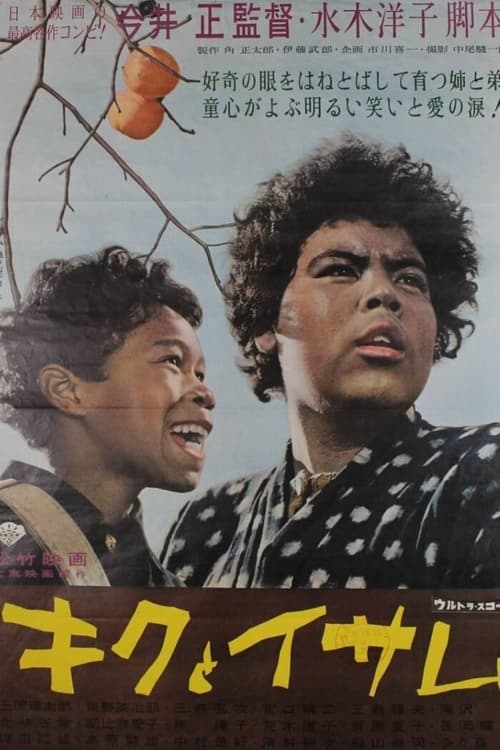
Kiku and Isamu: Two Siblings Born in Japan
1959
No user ratings available yet
Representation score: 5.5 out of 10
Representation Score
Good
1957
NRDirector
Yasujirō Ozu
Runtime
141 minutes
Average Rating
No ratings yetNew Showbiz Analysis
Yasujirō Ozu’s drama is a sophisticated study of a family unit breaking apart during Japan's rapid post-war modernization. While the cast is culturally uniform, the film excels in its nuanced critique of how urban transition erodes traditional social structures. The film's primary strength lies in its subversion of gender clichés. By giving women significant roles, it moves beyond traditional domestic roles to explore the emotional and intellectual labor required to navigate a fragmented society. However, the work is limited by its era's demographic focus. It lacks representation of LGBTQ+ individuals and does not address physical or neurodivergent disabilities, focusing instead on the psychological pressures of the time.
Category Breakdown
The film adheres to a mid-century social framework and does not include non-straight relationships or queer narratives. Instead, it focuses on traditional family and romantic structures.
The narrative highlights female protagonists, challenging traditional patriarchal structures. It explores how women navigate the workforce and balance societal expectations with personal freedom.
Set in post-war Tokyo, the film features a culturally homogeneous Japanese cast. It delves into Japanese identity and internal cultural changes during a period of strong Western influence.
The story critiques rapid Westernization and capitalist growth in post-war Tokyo. It portrays modern urban life as a disruptive force that leads to individual alienation and weakening community ties.
The film does not focus on physical or neurodivergent disabilities. Instead, it examines the psychological trauma of displacement, loneliness, and disillusionment.
Present on Screen
Limited or Absent
Official Synopsis
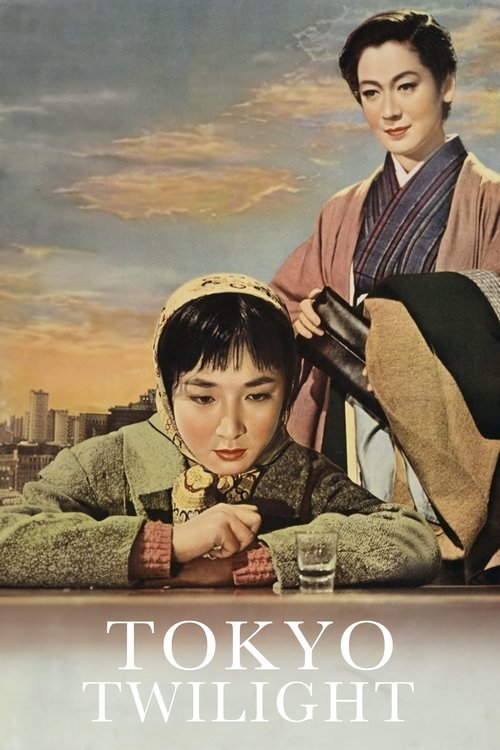
Two sisters learn about the existence of their long-lost biological mother, but the younger is unable to accept the fact that she was abandoned as a child.
1959
1936

1971
1961
1952

1965

1952

1948
No reviews yet. Be the first to share your thoughts on this movie!
Use the rating form above to leave a star rating and optional review.