
Dovbush
2023
No user ratings available yet
Representation score: 4.1 out of 10
Representation Score
Limited
1963
Director
Paľo Bielik
Runtime
170 minutes
Average Rating
No ratings yetNew Showbiz Analysis
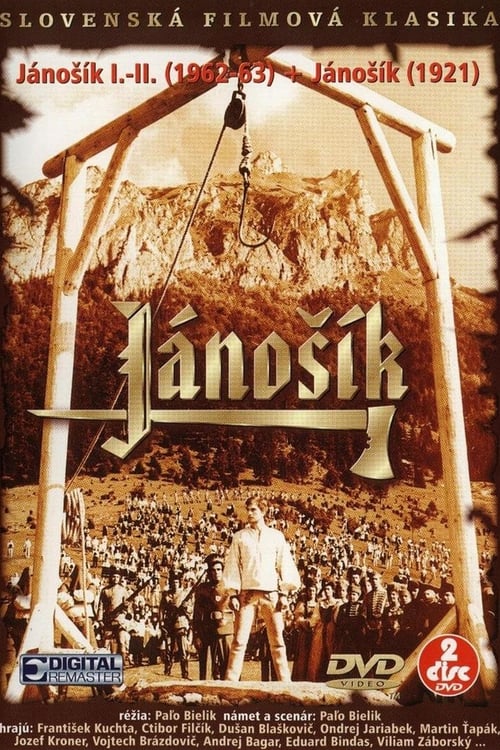
Jánošík (1963) is a historical drama that emphasizes class-based social critique over modern characters who reflect more than one aspect of diversity. While it lacks diversity in terms of gender and LGBTQ+ identities, it excels in its cultural deconstruction of feudal oppression. The film serves as a foundational text for Slovak ethnic identity. It uses a localized, homogeneous cast to highlight the struggle between the peasantry and the ruling class. Ultimately, the film's strength lies in its anti-authoritarian narrative, which elevates the protagonist's rebellion against systemic exploitation.
Category Breakdown
The film follows 18th-century social norms and mid-20th-century production contexts. It does not depict any non-cisgender identities or same-sex intimacy.
Narrative ability to act is focused on the male protagonist. Female characters such as Anna serve as emotional anchors rather than independent figures capable of challenging masculine leadership.
The cast is ethnically uniform, reflecting the specific Slovak demographic of the time. It highlights the peasant experience against an externalized aristocratic 'other.'
The film uses the social bandit cliché to criticize feudal power structures. It portrays the aristocracy as corrupt and the peasantry as a heroic, victimized collective.
There is no depiction of characters with visible or invisible disabilities being used as central plot devices or being mocked.
Present on Screen
Limited or Absent
Official Synopsis
This film is one of the most popular pictures of Slovak cinema and relates the story about the legendary folk hero and brigand Juro Jánošík [1688-1713] and the social situation in Slovakia of the late 17th and early 18th centuries. The first part talks about Jánošík's childhood, studies and return to his native village. In the second part Jánošík leaves for the hills, where he organizes his band of brigands and starts an anti-feudal resistance. The film concludes with Jánošík's execution.
2023

1954
1984

1967
1939
1964
1955
1921
No reviews yet. Be the first to share your thoughts on this movie!
Use the rating form above to leave a star rating and optional review.