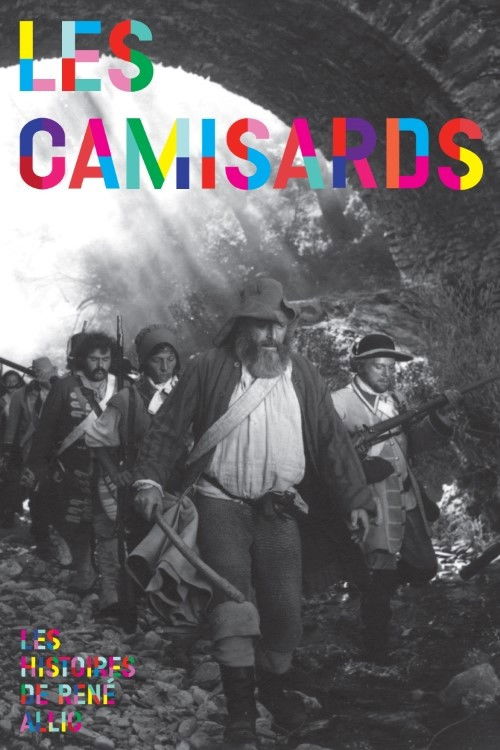
The French Calvinists
1972
No user ratings available yet
Representation score: 2.8 out of 10
Representation Score
Fair
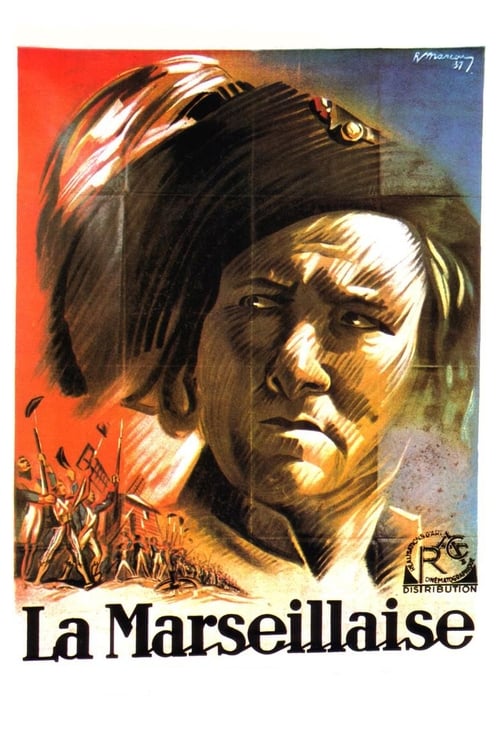
1938
Not RatedDirector
Jean Renoir
Runtime
131 minutes
Average Rating
No ratings yetNew Showbiz Analysis
Jean Renoir’s historical drama prioritizes systemic class struggle over individual identity politics. The film is deeply invested in the disruption of traditional Western hierarchies, particularly the monarchy and the feudal system. While the work lacks contemporary representation regarding gender, race, and LGBTQ+ identities, it finds strength in its critique of established power structures. It frames the rise of the sans-culottes as a necessary movement toward a more egalitarian social order. Ultimately, the film functions as a study of social stratification. It trades modern identity-based diversity for a sophisticated exploration of class-based narrative subversion and anti-establishment themes.
Category Breakdown
The film centers on the political and oratorical maneuvers of the French Revolution. It does not depict LGBTQ+ identities or same-sex intimacy as central narrative drivers.
Narrative ability to act is concentrated in male figures such as Danton and Robespierre. Women primarily occupy supporting roles within masculine-coded political spheres.
The cast reflects the demographic homogeneity of 18th-century France. The film avoids racial stereotypes but does not include diverse ethnic representation or actors from different backgrounds.
The film excels at deconstructing the monarchy and feudal class systems. It explores the tension between revolutionary secularism and religious institutions while prioritizing the struggles of the common people.
Physical disability and neurodivergence are not central themes. While the physical toll of revolution is visible, disability is not used as a tool for character development.
Present on Screen
Limited or Absent
Official Synopsis
The early days of the French Revolution, as seen through the eyes of the ordinary citizens in Marseille and the royal court, including King Louis XVI and Marie Antoinette.
1972
1944
1981

1954
1905

1983
1975

2020
No reviews yet. Be the first to share your thoughts on this movie!
Use the rating form above to leave a star rating and optional review.