
Powstaniec 1863
2024
No user ratings available yet
Representation score: 1.0 out of 10
Representation Score
Fair
2019
Director
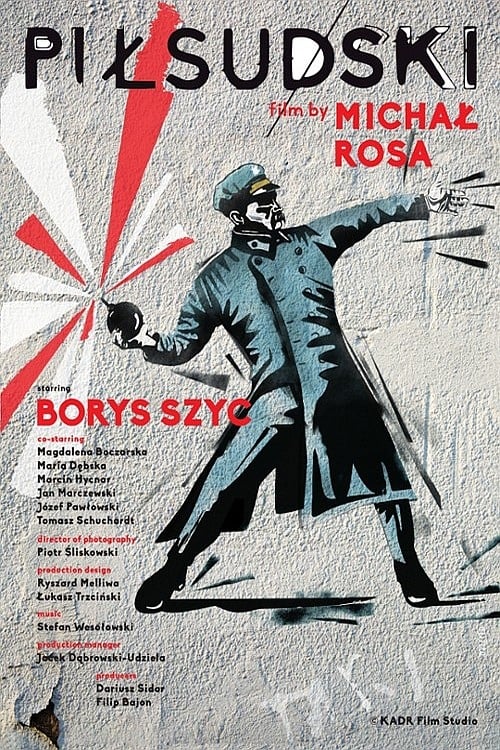
Michał Rosa
Runtime
120 minutes
Average Rating
No ratings yetNew Showbiz Analysis
The Marshal is a historical drama that emphasizes nationalist and anti-imperialist themes over modern social justice issues. It effectively dismantles imperial hierarchies by highlighting the Polish struggle against Russian occupation. However, the film remains rooted in the traditional gender and social structures of the early 20th century. Its focus is on systemic oppression through a nationalist lens rather than a contemporary social justice perspective. While the film offers a nuanced look at political maneuvering and anti-colonialism, it falls short in representing underrepresented identities such as LGBTQ+ individuals or those with mental health conditions.
Category Breakdown
The film does not include any explicit LGBTQ+ characters or stories. It focuses on traditional political and family dynamics typical of the 1901 setting.
The story centers around male-driven political actions and an underground movement. Female characters tend to play traditional domestic roles rather than taking part in the main political storyline.
The film highlights Polish identity as a form of resistance against Russian rule. Although the cast may be ethnically uniform, the theme of anti-colonialism emphasizes ethnic pride and ability to act.
The movie criticizes established institutions and portrays Russian rule as oppressive. It delves into complex ethical questions surrounding revolution and statehood from an anti-authoritarian viewpoint.
The film includes a psychiatric hospital setting that touches on mental health and institutionalization. However, these elements mainly serve as plot devices rather than exploring mental health issues deeply.
Present on Screen
Limited or Absent
Official Synopsis
The year 1901, a psychiatric hospital in the Russian partition. One of the patients is a political prisoner - Józef Piłsudski. The Polish underground independence movement is preparing their mission to rescue the famous activist. Piłsudski is freed, but he will not get back his idyll family life that he once knew. Uncertain years are coming, marked by revolutionary events, violence and betrayal. Pilsudski must find a way to man oeuvre on the boggy ground - between the conservative passivity of the Polish Socialist Party and the aggression against the invaders, resulting in retaliation. The year 1914 is coming, and the chance for restoring an independent country, independent Poland, is now or never.
2024

2014

2024
2015
1939

2008
2018

2016
No reviews yet. Be the first to share your thoughts on this movie!
Use the rating form above to leave a star rating and optional review.