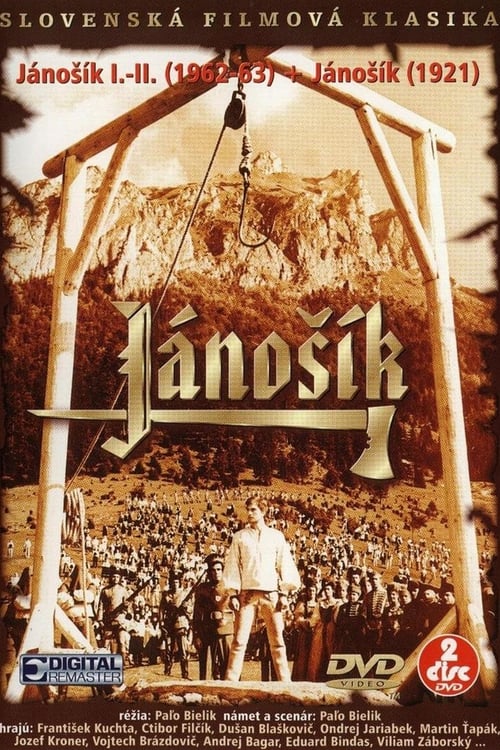
Jánošík
1963
No user ratings available yet
Representation score: 2.7 out of 10
Representation Score
Limited
1984
Director
Mircea Mureșan
Runtime
123 minutes
Average Rating
No ratings yetNew Showbiz Analysis
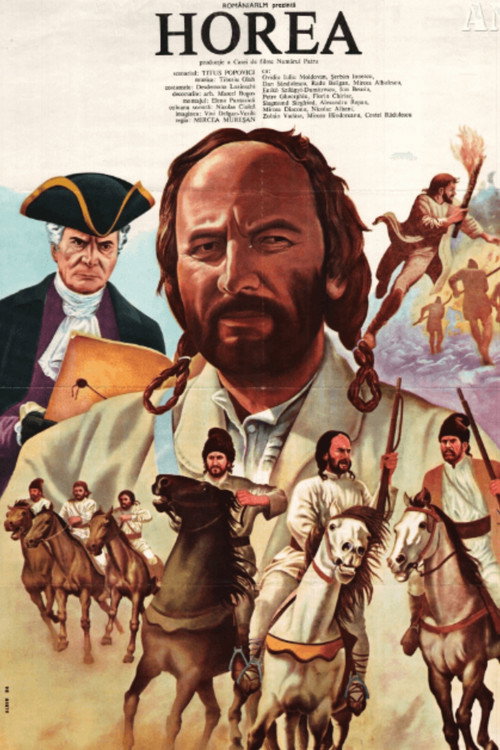
Horea is a historical epic that emphasizes class struggle and systemic oppression rather than modern identity-based stories. Its strength lies in showing the conflict between benevolent rulers and the oppressed peasantry. The film effectively portrays the ability to act of peasants against a dominant socio-economic order. However, it sticks to traditional historical structures, lacking LGBTQ+ or disability-focused narratives. Gender representation is limited, as the rebellion is led by male figures. While it captures a broad communal struggle, the main ability to act remains with men.
Category Breakdown
The film does not include any LGBTQ+ characters or stories that go beyond the assumption that everyone is straight. It focuses on historical struggles centered around communities and families.
The main characters and leaders in the film, such as Horea, Cloșca, and Crișan, are men. The narrative follows a traditional structure where men lead the revolution.
The film looks at ethnic and class conflicts in 18th-century Transylvania. It highlights the struggle of peasants against a powerful noble class.
The movie criticizes the imperial system and its hierarchical power structures. It shows the tension between the peasants' rebellion and the ruling class.
The film does not depict any characters with physical disabilities or neurodivergent conditions.
Present on Screen
Limited or Absent
Official Synopsis
In 18th-century Transylvania, peasants rise against oppressive nobles under the leadership of Horea, Cloșca, and Crișan. Hoping for justice, Horea seeks support from Emperor Joseph II, but as tensions grow, the rebellion turns into a harsh struggle for freedom and survival.
1963

2020

2023

1983
1966
1939
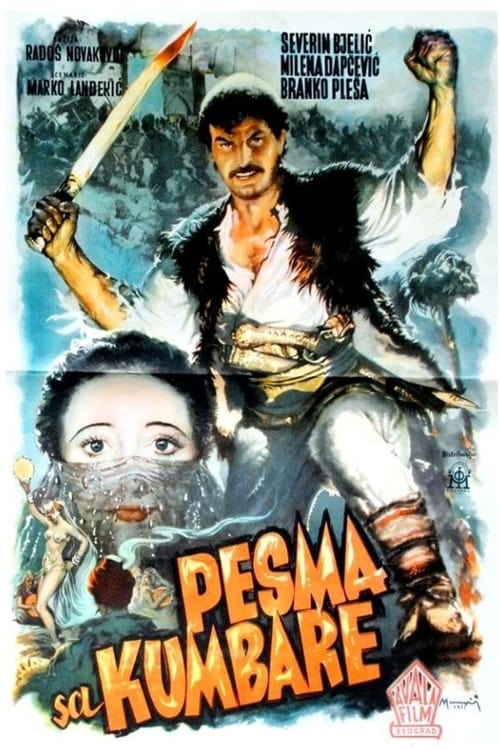
1955
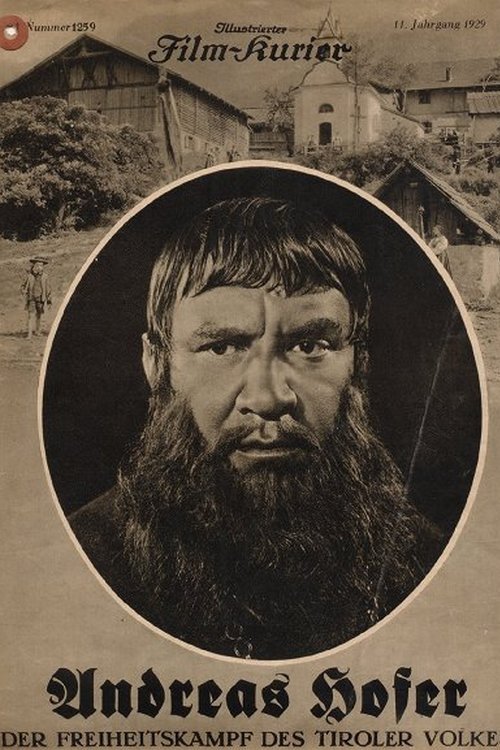
1929
No reviews yet. Be the first to share your thoughts on this movie!
Use the rating form above to leave a star rating and optional review.