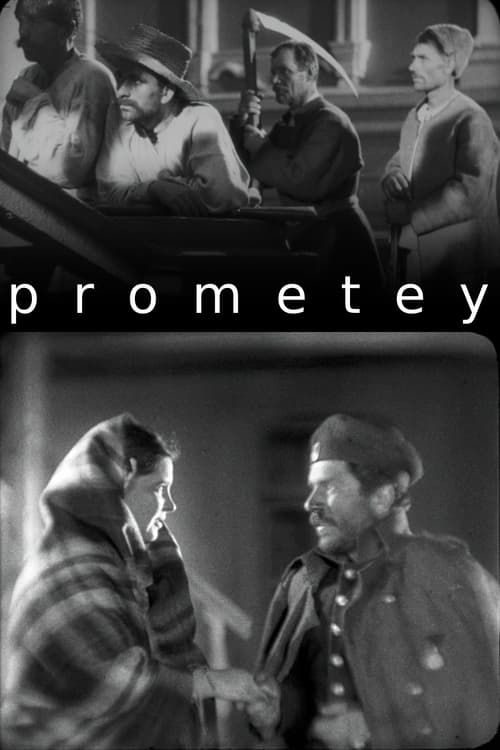
Prometey
1936
No user ratings available yet
Representation score: 5.0 out of 10
Representation Score
Fair
1939
Director
Vsevolod Pudovkin, Mikhail Doller
Runtime
125 minutes
Average Rating
No ratings yetNew Showbiz Analysis
The film serves as a cinematic manifesto for collective empowerment, focusing more on ideological cohesion and the mobilization of the masses against foreign intervention and aristocratic stagnation. While it scores low in traditional demographic categories like LGBTQ+ and disability representation, it excels in cultural representation, actively challenging established power structures such as the monarchy and landed aristocracy. Ultimately, the narrative structure uses a historical setting to promote a secular, collective morality centered on the struggle of the working class against systemic oppression.
Category Breakdown
The film focuses entirely on class-based solidarity and does not depict any non-straight relationships or same-sex intimacy.
Leadership roles are predominantly filled by male figures such as Minin and Pozharsky, emphasizing the masculine archetype of the revolutionary soldier.
The story centers on the conflict between Muscovite populations and Polish interventionists, highlighting national and class identity over diverse racial backgrounds.
The film deconstructs traditional monarchical institutions and aristocratic hierarchies, framing the dismantling of old authority as essential for social liberation.
There is no significant focus on physical disability or neurodivergence. Characters are defined by their socioeconomic status and their role in the cause.
Present on Screen
Limited or Absent
Official Synopsis
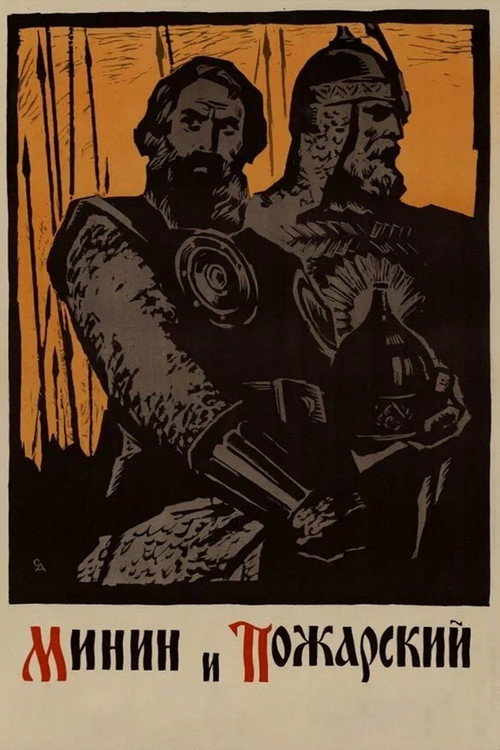
Historical film about the invasion of the Poles in the Moscow Empire (1611), the creation of Minin and Pozharsky people's militia. The beginning of the XVII century. Already the sixth year the Muscovite land under the yoke of intervention. In the fall of 1610 Polish pans in deceitfully seized the Kremlin and tried to break through to the north. Everywhere rebellions broke out, but well-armed interventionists smashed the scattered peasant detachments. The liberation movement was led by Nizhny Novgorod merchant Kuzma and Prince Dmitry Pozharsky.
1936
1938
1955
1944
1963
2020
2007
1986
No reviews yet. Be the first to share your thoughts on this movie!
Use the rating form above to leave a star rating and optional review.