L'Orchestre rouge
1989
No user ratings available yet
Representation score: 5.5 out of 10
Representation Score
Limited
1972
Director
René Allio
Runtime
100 minutes
Average Rating
No ratings yetNew Showbiz Analysis
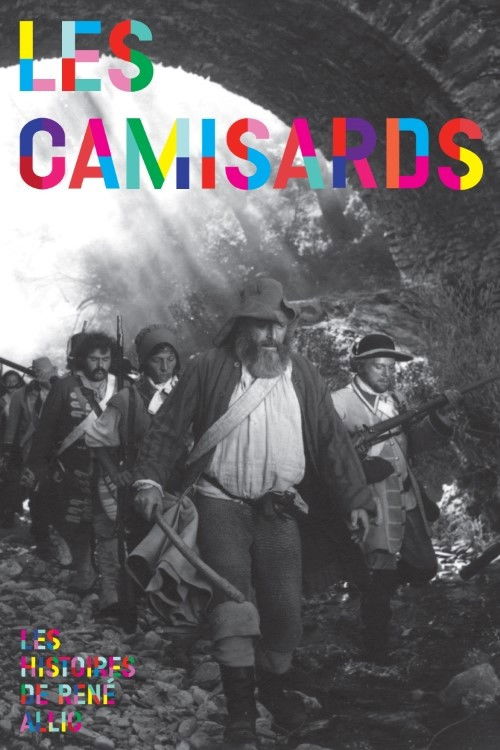
The film serves as a historical critique of institutional power rather than a modern exploration of diverse identities. It excels at exposing the coercive nature of the state, portraying the French Monarchy and Church as oppressive forces. This provides a deep look at the struggles of underrepresented communities. However, the film lacks representation in several modern categories. There is no visible LGBTQ+ or disability representation, and the racial landscape is limited to the homogeneous population of 17th-century rural France. Gender roles remain largely traditional, with male figures driving the militant movement. Ultimately, the work prioritizes the perspective of the peasantry and the persecuted. While it lacks contemporary diversity markers, its strength lies in its anti-authoritarian framework and its focus on the social realism of underrepresented groups.
Category Breakdown
The film does not feature any LGBTQ+ characters or narratives that challenge traditional heterosexual relationships. The story focuses solely on the 17th-century conflict between Protestants and the French Crown.
Men play the primary roles in the armed resistance, such as Gédéon Laporte. Women are present but mostly in traditional domestic roles within the peasant community.
The cast is ethnically uniform, reflecting the rural French setting of the time. The narrative concentrates on a religious minority rather than exploring racial diversity.
The film strongly critiques the oppressive nature of the monarchy and the established Church. It highlights the struggles of a underrepresented religious community resisting state violence.
There are no characters with visible or invisible disabilities in the film. The narrative does not address disability representation.
Present on Screen
Limited or Absent
Official Synopsis
A few years after the revocation of theEdict of Nantes, the Camisards, Protestants from the Cévennes region, mostly peasants and silk workers, formed groups following Gédéon Laporte and fought Louis XIV's dragoons.
1989
1944
2017
1995
1949

1975

2014
1976
No reviews yet. Be the first to share your thoughts on this movie!
Use the rating form above to leave a star rating and optional review.