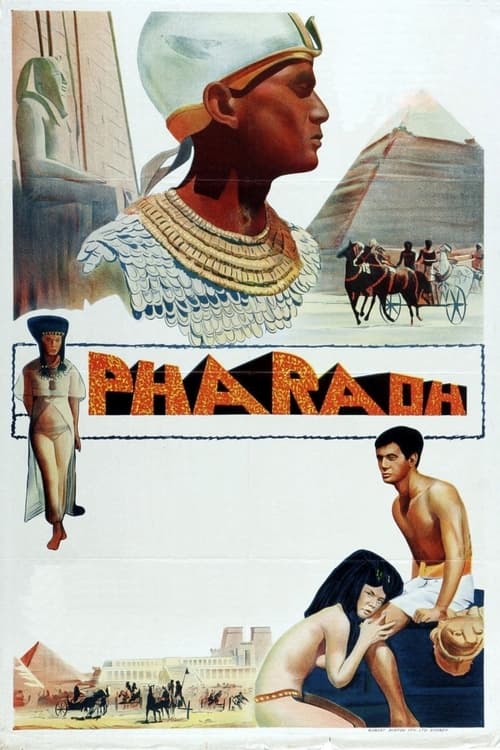
Pharaoh
1966
No user ratings available yet
Representation score: 2.8 out of 10
Representation Score
Limited
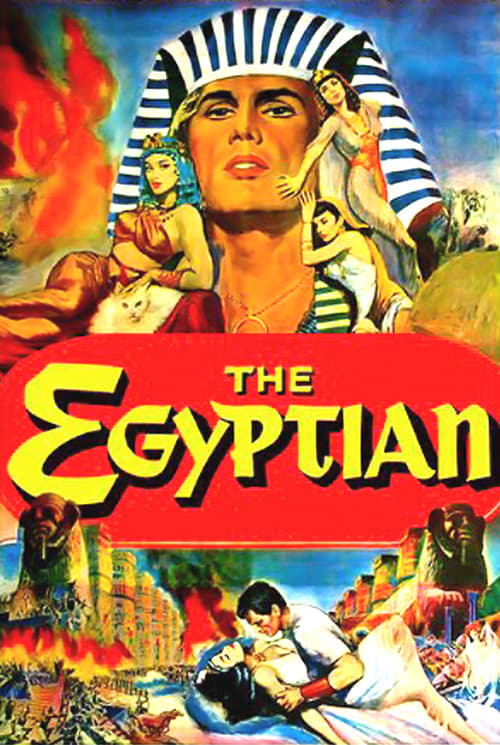
1954
NRDirector
Michael Curtiz
Runtime
139 minutes
Average Rating
No ratings yetNew Showbiz Analysis
The Egyptian is a classic historical epic that centers on large-scale political and religious upheaval rather than modern identity-based representation. It excels in exploring the systemic chaos of religious reforms and the instability of institutional power. However, the film remains rooted in the traditional social and gender hierarchies of the 1950s. The narrative focuses on the intersection of personal destiny and systemic collapse, rather than advancing underrepresented identities. While the cultural examination of religious fanaticism is nuanced, the absence of LGBTQ+ and disability representation, along with Eurocentric casting, limits its overall diversity.
Category Breakdown
The film sticks to traditional heterosexual relationships, with no depiction of LGBTQ+ identities or same-sex intimacy. Romantic storylines focus solely on straight couples.
Women such as Nefertiti wield political power, but their influence is tied to powerful men. The narrative emphasizes a male-centric leadership structure, where women's roles are subordinate.
The film portrays a multi-ethnic empire but uses Eurocentric casting typical of its time. It does not challenge racial norms as seen in contemporary films.
The story delves into the chaos caused by Akhenaten’s monotheistic revolution. It effectively highlights the tension between traditional priesthoods and radical ideological shifts.
There is no meaningful portrayal of disability. Characters with physical or mental impairments are not central to the narrative or used for character development.
Present on Screen
Limited or Absent
Official Synopsis
In eighteenth-dynasty Egypt, Sinuhe, a poor orphan, becomes a brilliant physician and with his friend Horemheb is appointed to the service of the new Pharoah. Sinuhe's personal triumphs and tragedies are played against the larger canvas of the turbulent events of the 18th dynasty. As Sinuhe is drawn into court intrigues he learns the answers to the questions he has sought since his birth.
1966
1944
1959
1955
1950
1956
1938
1963
No reviews yet. Be the first to share your thoughts on this movie!
Use the rating form above to leave a star rating and optional review.