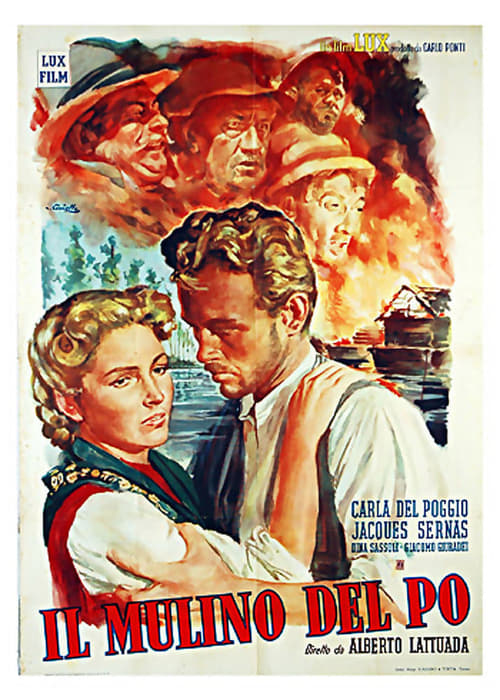
The Mill on the Po
1949
No user ratings available yet
Representation score: 5.2 out of 10
Representation Score
Fair
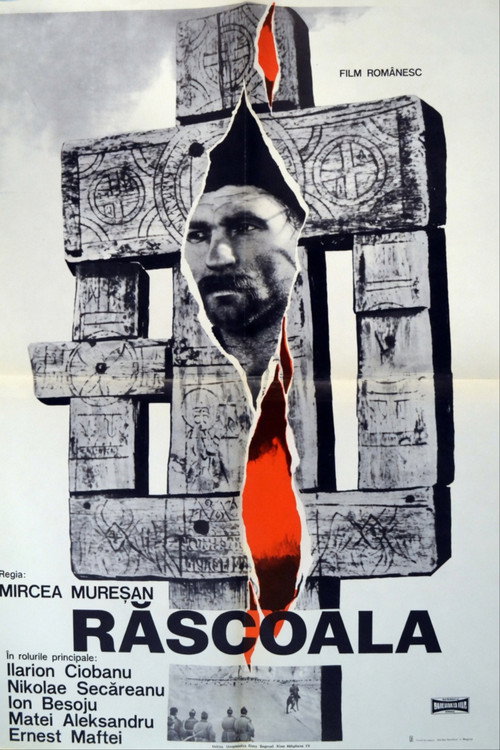
1966
Director
Mircea Mureșan
Runtime
104 minutes
Average Rating
No ratings yetNew Showbiz Analysis
The Uprising is a social drama that prioritizes the deconstruction of class hierarchies and the critique of institutional oppression. It succeeds in making the struggles of the peasantry the central focus of the film's emotional arc. However, the film's approach to identity is uneven. While it provides a strong critique of systemic injustice, its handling of LGBTQ+ themes feels functional and tied to trauma rather than providing deep character exploration. Ultimately, the film serves as a powerful examination of socio-economic inequality, using the struggle of the rural poor to challenge established social orders.
Category Breakdown
The film includes a wealthy lesbian character whose actions toward a peasant woman set off the main conflict. This portrayal uses non-straight identity mainly as a tool for disrupting the narrative rather than developing a nuanced character.
The story centers on the systemic victimization of women within a patriarchal, class-based society. The peasant woman's experience serves as the emotional pivot for the larger social upheaval, challenging passive female roles.
Set in a specific rural context, the film focuses on class distinctions rather than multi-ethnic diversity. It prioritizes the visibility of the underrepresented peasantry over racial variety.
The narrative critiques traditional land ownership and capitalist structures through the lens of class struggle. It portrays established social institutions and the police as inherently corrupt and oppressive forces.
There is no evidence of characters with visible or invisible disabilities within the narrative.
Present on Screen
Limited or Absent
Official Synopsis
After years of deplorable conditions of poverty and injustice, peasants revolt against the landowners, the social elite, and police in this routine social drama. A peasant woman is raped by a lecherous wealthy lesbian, and chaos breaks out in the rural areas where the poor suffer the most from the oppressive social and economic conditions.
1949
2020
1984
1954
1942
1984
1905

1970
No reviews yet. Be the first to share your thoughts on this movie!
Use the rating form above to leave a star rating and optional review.