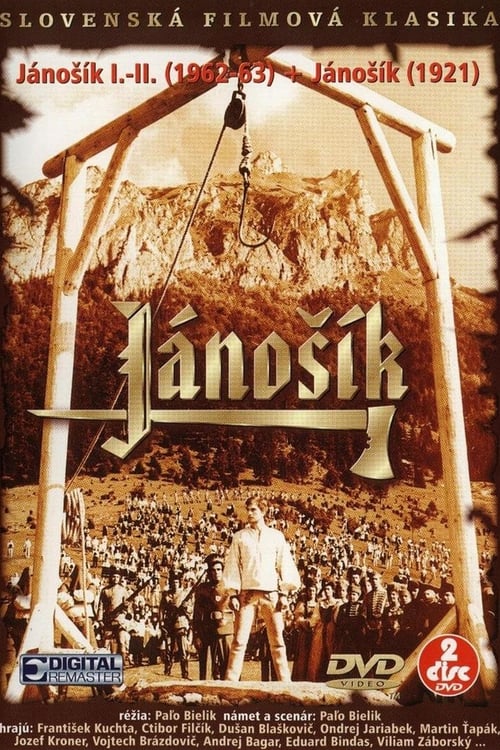
Jánošík
1963
No user ratings available yet
Representation score: 2.7 out of 10
Representation Score
Fair
1964
Director
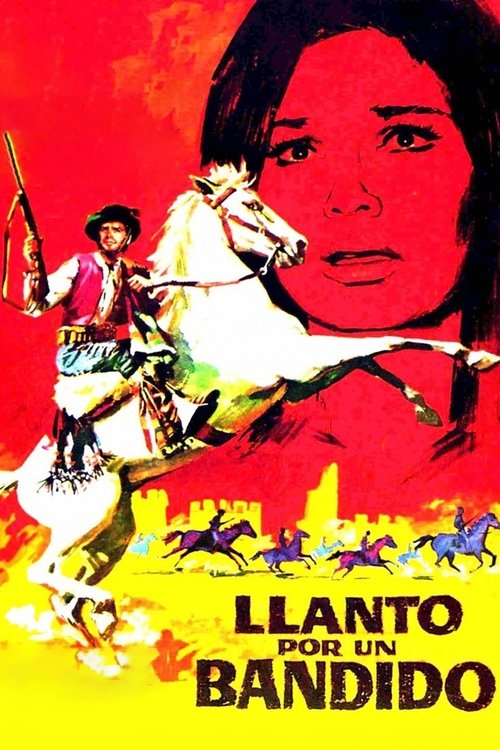
Carlos Saura
Runtime
100 minutes
Average Rating
No ratings yetNew Showbiz Analysis
Carlos Saura uses the 'social bandit' archetype to explore the tension between systemic law and localized justice. The film critiques state authority during the Francoist era by transforming the protagonist into a leader who challenges traditional power structures. While the narrative is heavily masculine-centric and lacks overt LGBTQ+ representation, it excels in cultural subversion. By portraying the criminal as a figure of social necessity, the film questions the legitimacy of state-sanctioned order. The film's strength lies in its thematic depth and its ability to use regional identity as a proxy for broader social critiques, even if the cast remains ethnically homogeneous.
Category Breakdown
The film does not explicitly depict queer identities or non-cisgender expressions. Any such themes would likely be coded or metaphorical, considering the era and director.
The plot centers around a masculine journey of leadership and outlawry. Female characters may serve as psychological catalysts, but the narrative does not significantly disrupt traditional gender hierarchies.
The setting in Sierra Morena implies an ethnically homogeneous cast. However, the focus on the bandit class allows for a class-based exploration of identity and underrepresented social strata.
The film critiques state institutions by focusing on a figure who rebels against legal authority. It prioritizes social critique by framing the outlaw as a symbol of systemic rebellion.
There is no evidence regarding the inclusion or portrayal of characters with physical or neurodivergent disabilities.
Present on Screen
Limited or Absent
Official Synopsis
José María "El Tempranillo" fleeing from justice, takes refuge in Sierra Morena. After a period of hard learning, he becomes the leader of a group of bandits.
1963

1964

2003
1962
1970

1957
1972
1976
No reviews yet. Be the first to share your thoughts on this movie!
Use the rating form above to leave a star rating and optional review.