Jánošík
1963
No user ratings available yet
Diversity score: 5.1 out of 10
1969
Director
Hynek Bočan
Runtime
87 minutes
Average Rating
No ratings yetSynopsis
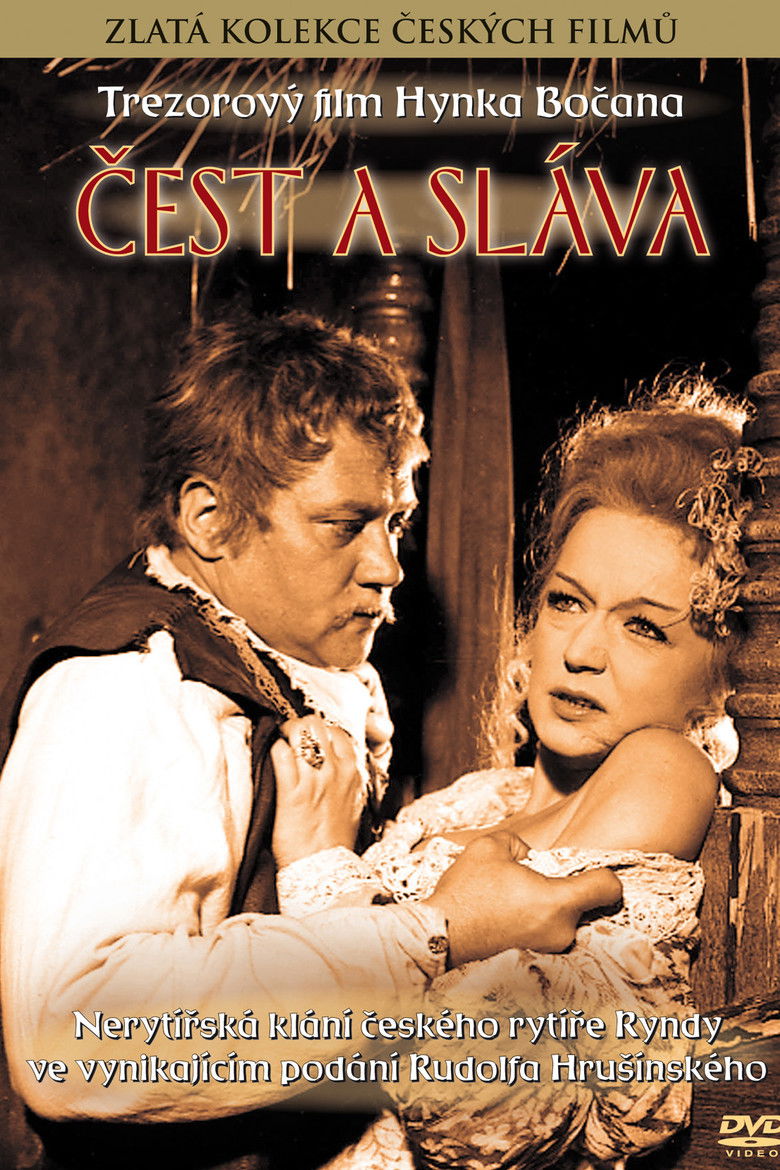
This historical film by Hynek Bočan touches upon the indecisiveness of the Czech nation, ready to bend the backbone in face of foreign rule. Situating the story at the close of the Thirty Year War enabled the depiction of the misery of the people that affects even an impoverished aristocratic milieu. Rudolf Hrušínský appears here in the role of an indecisive knight, persuaded for a long time and in vain to join the anti-Habsburg movement. The story does not only captivate through the depiction of manifold human characters, intrigues and sycophancy, but also through the circumstances ruling over the devastated farmstead, sunk in mud and crudeness. One of the best films with an updating tendency has come into being here, rightly being named along the such greats as Kladivo na čarodějnice (Witches' Hammer).
Overall Score
Limited
Category Breakdown
LGBTQ+ Representation
The film lacks any presence of LGBTQ+ characters or narratives addressing non-cisnormative identities. The story focuses strictly on geopolitical and class-based conflicts.
Gender Representation
Agency is predominantly centered on male political actors within the noble and imperial hierarchies. There is little evidence of the film subverting traditional gendered power dynamics.
Racial & Ethnic Diversity
The plot involves Bohemian, French, and Habsburg interests, providing some ethnic complexity. However, the cast remains centered on Western and Central European identities.
Religious & Cultural Diversity
The narrative challenges imperial stability by framing the Habsburgs as targets of revolt. It explores the friction between local sovereignty and foreign political imposition.
Disability Representation
There is no information regarding the inclusion or portrayal of characters with physical or neurodivergent disabilities.
Strengths
Areas for Improvement
AI Analysis
Honor and Glory is a period drama that prioritizes historical political intrigue over modern intersectional representation. The film's strength lies in its narrative subversion of imperial hegemony rather than its social diversity. While the film lacks representation for LGBTQ+ identities and disabilities, it offers a complex look at national identity and systemic power. The tension between Bohemian nobility and the Habsburg Empire provides a rich framework for exploring political instability. Ultimately, the film functions as a study of shifting loyalties and the deconstruction of monolithic authority, making it more culturally provocative than socially diverse.
1963
1939
1966
1984
1972

2023

1981
1976
1983

1979
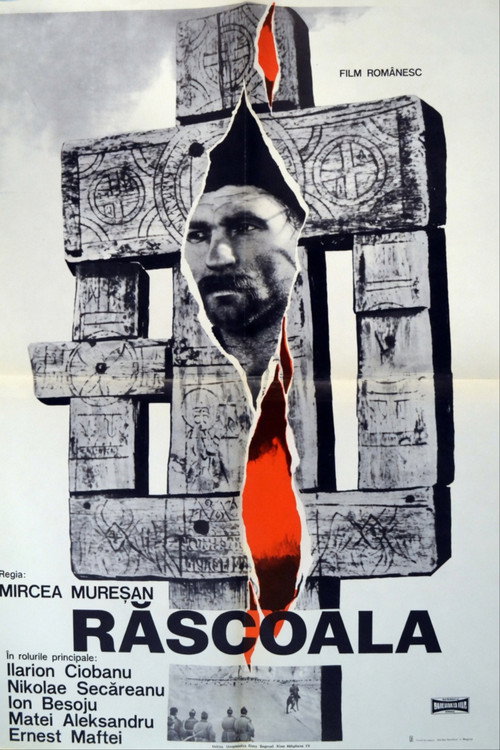
1966
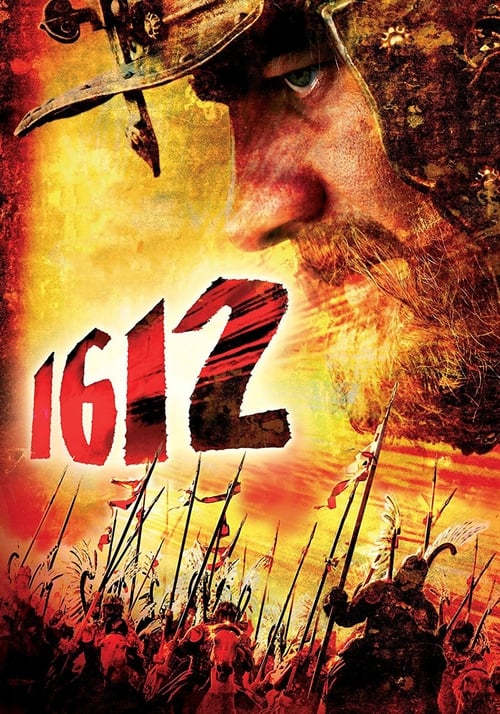
2007
No reviews yet. Be the first to share your thoughts on this movie!
Use the rating form above to leave a star rating and optional review.