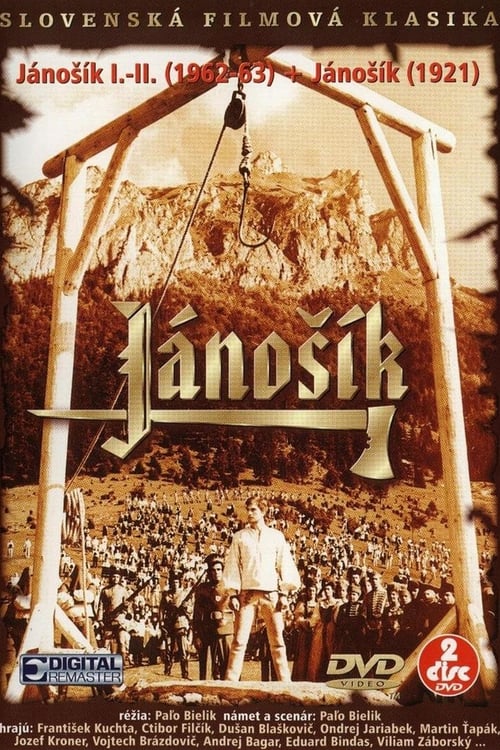
Jánošík
1963
No user ratings available yet
Representation score: 2.7 out of 10
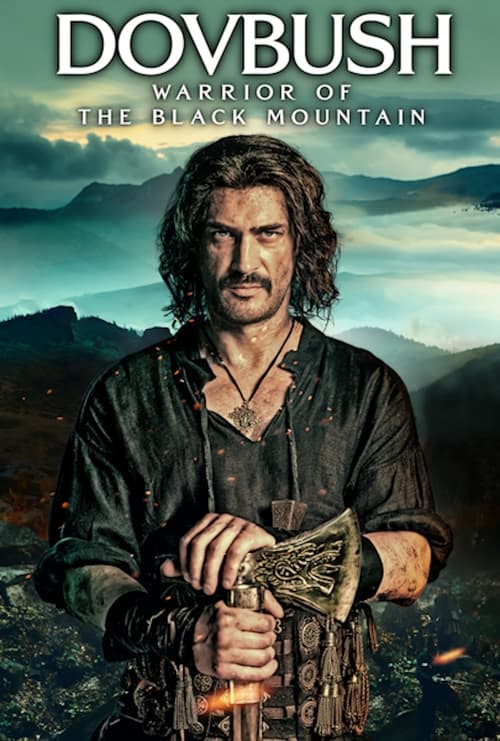
Representation Score
Fair
2023
Director
Oles Sanin
Runtime
120 minutes
Average Rating
No ratings yetNew Showbiz Analysis
Dovbush is a historical epic set in the 18th-century Carpathian region, exploring the tension between systemic authority and grassroots resistance. It effectively critiques class-based oppression and frames the plight of peasants as a catalyst for heroic action. The film excels in its post-colonial perspective, emphasizing the identity and survival of the Hutsul people against an external ruling class. This creates a nuanced moral landscape where the law is seen as an instrument of oppression. However, the film lacks contemporary markers of diversity. It does not include LGBTQ+ identities or neurodivergent characters, staying true to the traditional social hierarchies of its historical setting.
Category Breakdown
The film follows traditional romantic storylines typical of period epics. There are no queer narratives or non-straight gender identities featured.
Male characters dominate the story, but female roles are not passive. Marichka is a key character and the emotional core of the conflict.
The film highlights the authentic Hutsul/Ukrainian culture with a localized ethnic group resisting aristocratic structures. It emphasizes the ability to act of these characters.
The story critiques traditional power structures by showing landed nobility as predatory. It frames the struggle for justice against a corrupt system.
There are no specific details about the portrayal of physical or neurodivergent disabilities.
Present on Screen
Limited or Absent
Official Synopsis
In the early eighteenth century, foreign rule means dark times for the Hutsuls of the Carpathians. The two Dovbush brothers become opryshkos - mountain outlaws. But the two brothers become enemies - one cares only about money, the other - Oleksa - fights for his people. The Carpathians are convulsed with a wave of uprisings. The aristocracy uses its military might to try to kill Dovbush and destroy his legend. But Dovbush outwits them. The desperate lords devise a devious plan and attack the invincible outlaw's Achilles heel - his love for his childhood sweetheart, Marichka. Who will be the assassin to attack the Opryshko whose immense strength and bravery inspired folk tales? Will the lords' treacherous plan destroy the hero before he can lead his people to freedom?
1963

1967
1984
1995
1939
2023

2003
2024
No reviews yet. Be the first to share your thoughts on this movie!
Use the rating form above to leave a star rating and optional review.