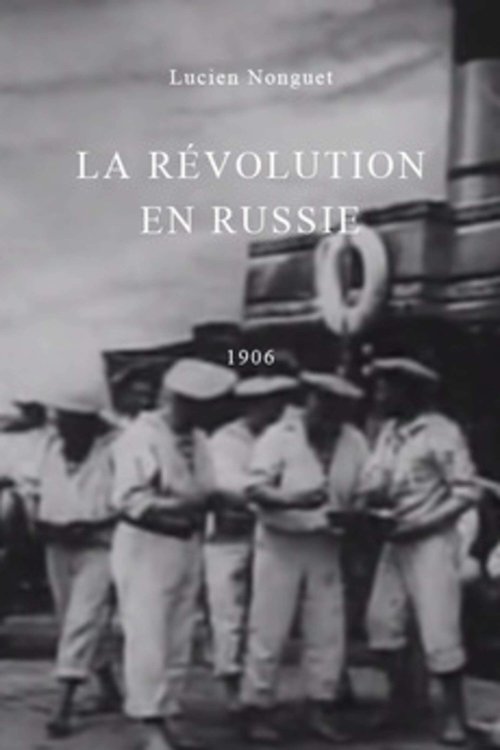
Revolution in Russia
1905
No user ratings available yet
Diversity score: 5.3 out of 10
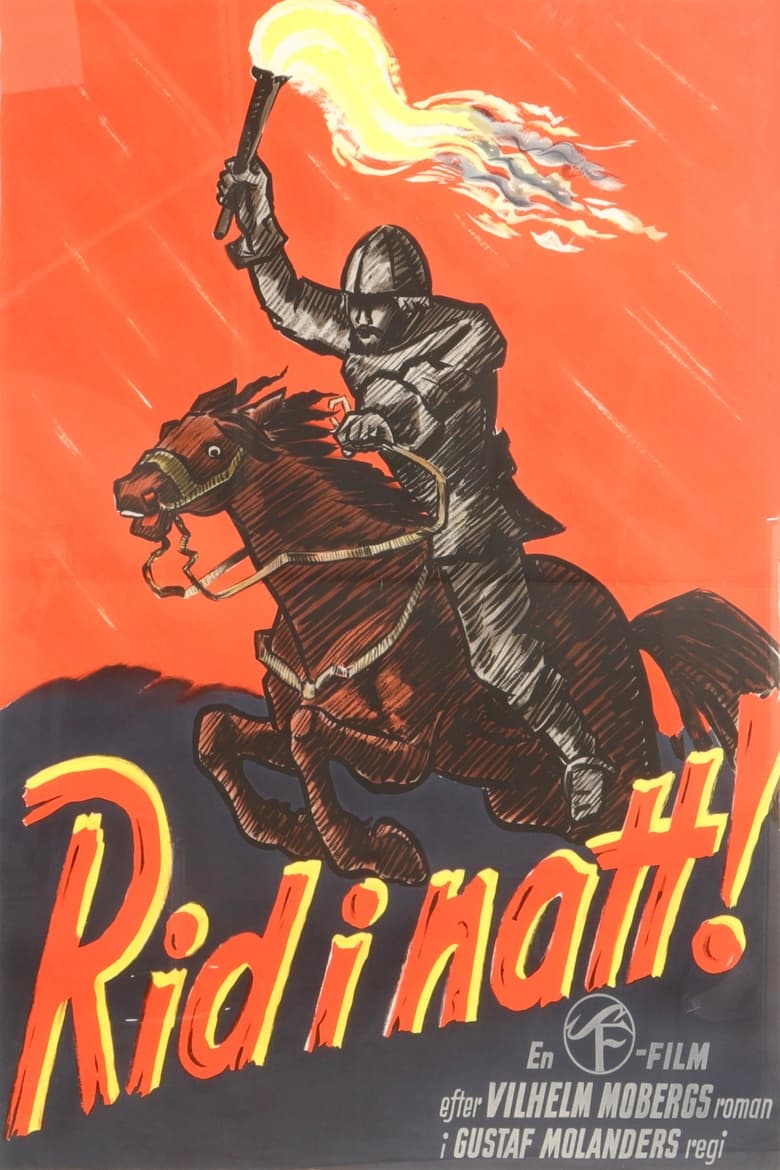
1942
Director
Gustaf Molander
Runtime
106 minutes
Average Rating
No ratings yetSynopsis
Oppressed by landowners, a peasant uprising ensues as an outlaw farmer refuses to pay taxes in this film adapted from Vilhelm Moberg's novel.
Overall Score
Limited
Category Breakdown
LGBTQ+ Representation
The film contains no evidence of LGBTQ+ characters or narratives. It appears to adhere to the social constraints and heteronormative standards of 1942.
Gender Representation
The story focuses on masculine archetypes of resistance and labor. The central hero is a man refusing to bow to authority, suggesting a traditional patriarchal framework.
Racial & Ethnic Diversity
The setting is localized to Southern Sweden, focusing on Swedish farmers and a German aristocrat. It does not feature a multi-ethnic cast.
Religious & Cultural Diversity
The film explores anti-authoritarianism by framing the German Count as a coercive figure. This challenges traditional hierarchies through themes of resistance against oppression.
Disability Representation
There is no information available regarding the portrayal of characters with physical or neurodivergent disabilities.
Strengths
Areas for Improvement
AI Analysis
Ride Tonight! is a historical drama that uses a localized conflict to explore themes of agency and class struggle. The narrative centers on the tension between Swedish agrarian workers and a German Count, providing a critique of systemic oppression and aristocratic authority. While the film offers a progressive look at anti-authoritarianism, it remains limited by the social conventions of its era. The focus on masculine heroism and the lack of diverse identity markers reflect the period's traditional storytelling structures. Ultimately, the film succeeds in disrupting expectations of feudal obedience, even if it lacks modern intersectional representation.
1905
1963

1968
1939
1984
1949

1972
2020
2023
1964
1949
1966
No reviews yet. Be the first to share your thoughts on this movie!
Use the rating form above to leave a star rating and optional review.