Ivan's Childhood
1962
No user ratings available yet
Diversity score: 3.9 out of 10
1963
Director
Elmar Klos, Ján Kadár
Runtime
127 minutes
Average Rating
No ratings yetSynopsis
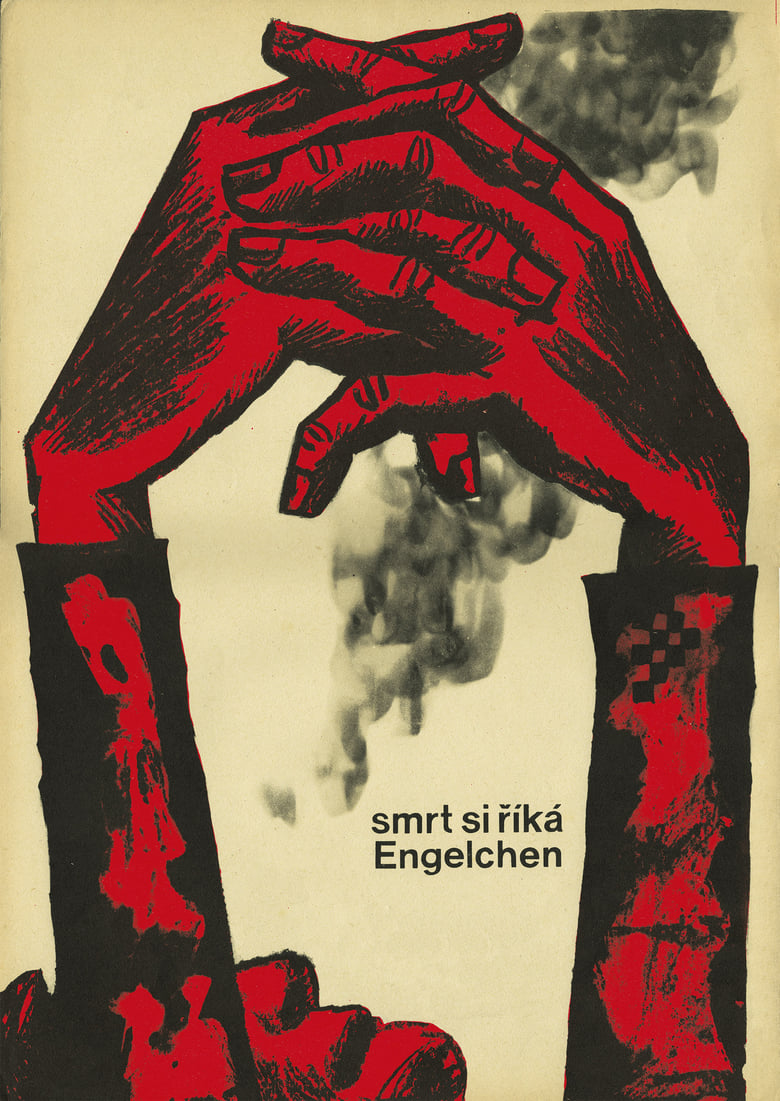
Pavel is a Czech partisan fighter in the waning days of the war. Just as peace is declared, Pavel is shot in the spine and sent to the hospital emergency ward. As he fades in and out of consciousness, he recalls the events that led to his participation in the underground. Holding German occupation commander Engelchen responsible for all the horrors and deprivations heaped upon his comrades, Pavel is kept alive by the possibility of recovering and exacting vengeance upon the Nazi officer - no matter how long it takes.
Overall Score
Limited
Category Breakdown
LGBTQ+ Representation
The film focuses on the psychological trauma of war and existential mortality. There are no visible non-cisnormative identities or narratives critiquing heteronormativity.
Gender Representation
The narrative centers on the male experience of war, specifically combat and vengeance. It offers limited subversion of gendered roles within these masculine spheres.
Racial & Ethnic Diversity
The cast is predominantly homogeneous, reflecting the local population of occupied Czechoslovakia. It uses a localized lens rather than a multi-ethnic approach.
Religious & Cultural Diversity
The film disrupts triumphalist war narratives by focusing on fragmented consciousness. It prioritizes subjective morality over traditional, heroic arcs.
Disability Representation
Pavel’s spinal injury drives the narrative through his fading consciousness. The film uses his physical state to explore the intersection of trauma and memory.
Strengths
Areas for Improvement
AI Analysis
Death Is Called Engelchen is a psychological study that prioritizes internal, existential struggle over demographic breadth. It avoids the celebratory tropes of the war genre, opting instead to deconstruct historical grand narratives through a fractured, subjective lens. While the film lacks modern intersectional markers, its strength lies in its sophisticated narrative architecture. It replaces patriotic heroism with a nuanced exploration of trauma and moral relativism. Ultimately, the film's progressive nature is found in its commitment to psychological depth rather than social representation, making it a complex, character-driven drama.
1962
1946
1977
1959
1985
1965
1962
1996
2011
1967
1970
1944
No reviews yet. Be the first to share your thoughts on this movie!
Use the rating form above to leave a star rating and optional review.