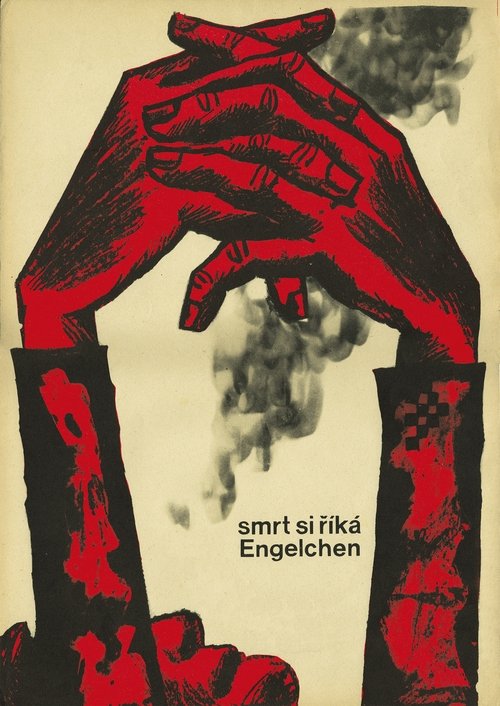
Death Is Called Engelchen
1963
No user ratings available yet
Diversity score: 3.9 out of 10

1946
Director
Henri Calef
Runtime
139 minutes
Average Rating
No ratings yetSynopsis
June 1944, a French town towards the end of the occupation. Following several attacks perpetrated by the resistance, the inhabitants who listen to English radio are rounded up by the Germans in a prison and considered as hostages. In one of the cells are found men from all walks of life: an aristocrat, the Viscount of Saint-Leu, Doctor Noblet, a resistance fighter, Béquille the wanderer with a wooden leg, and a strange character nicknamed "Black Market". The latter arouses mistrust among the prisoners, because it could well have been introduced by the enemy.
Overall Score
Fair
Category Breakdown
LGBTQ+ Representation
The film lacks explicit LGBTQ+ characters or narratives. The focus remains on the political tensions and survival of hostages within a traditional wartime framework.
Gender Representation
Agency is primarily attributed to a male-dominated group of prisoners. While women are not explicitly excluded, the narrative centers on male figures like the doctor and the aristocrat.
Racial & Ethnic Diversity
The setting in 1944 France suggests a predominantly white, European cast. There is no visible evidence of racial intersectionality within the primary group of prisoners.
Religious & Cultural Diversity
The story effectively deconstructs social hierarchies by placing an aristocrat alongside a wanderer and a black market dealer. It prioritizes collective resistance over traditional class structures.
Disability Representation
The character Béquille provides visible representation of physical disability through his wooden leg. He is integrated into the central ensemble of prisoners.
Strengths
Areas for Improvement
AI Analysis
Behind These Walls is a period drama that prioritizes class tension and wartime survival over modern demographic intersectionality. Its narrative strength lies in how it forces disparate social strata into a shared state of vulnerability. The film succeeds in disrupting traditional Western hierarchies by placing an aristocrat in a cell with commoners and outcasts. This focus on social fluidity under systemic pressure provides a compelling look at collective struggle. However, the film lacks representation regarding gender, sexual orientation, and racial diversity. The ensemble is largely male-dominated and reflects the limited racial intersectionality of 1940s French cinema.
1963
1965
1996
1973
1946
1964

1979
1944

1964
1960

1963
1967
No reviews yet. Be the first to share your thoughts on this movie!
Use the rating form above to leave a star rating and optional review.