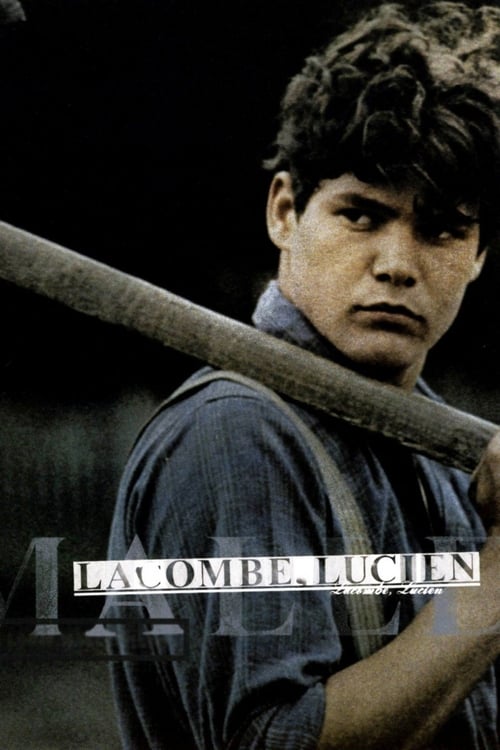
Lacombe, Lucien
1974
No user ratings available yet
Representation score: 2.5 out of 10
Representation Score
Fair
1996
RDirector
Volker Schlöndorff
Runtime
113 minutes
Average Rating
No ratings yetNew Showbiz Analysis
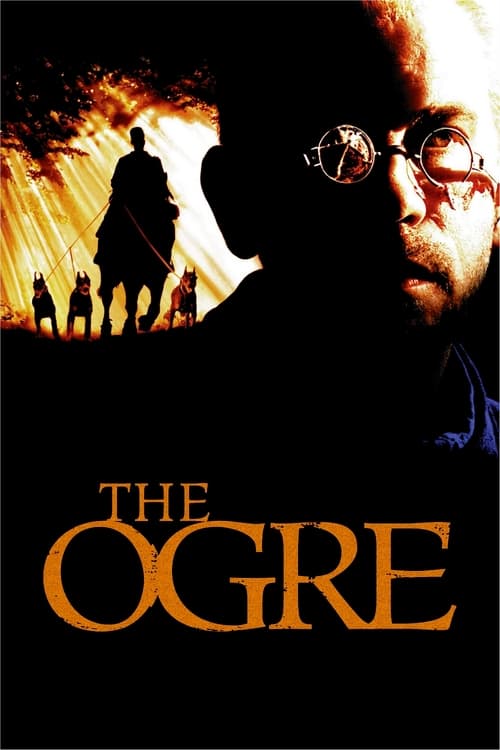
Volker Schlöndorff’s *The Ogre* is a psychological drama that prioritizes existentialism and mythic archetypes over modern identity politics. The film succeeds in deconstructing Western social structures and moral institutions by stripping the protagonist of his civilized context. However, the film lacks explicit representation of underrepresented groups. It operates within a traditional, male-centric European historical framework that does not utilize multi-layered casting or contemporary frameworks of identity. Ultimately, the work is a study of primalism rather than a vehicle for demographic diversity, focusing on the subversion of social order through isolation.
Category Breakdown
The film emphasizes primal and mythic relationships rather than sexual orientation. There are no explicit LGBTQ+ characters or narratives critiquing the assumption that everyone is straight or cisgender.
The story shifts away from conventional gender roles by focusing on the 'Ogre' archetype. However, the central conflict lacks significant female presence or influence.
The story centers on a localized European historical setting. There is no documented evidence of a diverse cast or intentional use of race-bent casting.
The film deconstructs Western institutions by isolating the protagonist. It explores primal instincts over socialized morality and religious structures.
The narrative focuses on psychological and archetypal transformation. It does not explicitly center on disability as a primary identity or ability to act-driven trait.
Present on Screen
Limited or Absent
Official Synopsis
Frenchman Abel Tiffauges is a naive man who lives a simple life working as a mechanic. Falsely accused of being a child abuser, he is recruited as a soldier when World War II begins, but is captured soon and taken to the heart of Nazi Germany.
1974

1965
1959

1997
2007
2001
1960

1968
No reviews yet. Be the first to share your thoughts on this movie!
Use the rating form above to leave a star rating and optional review.