
The Road Home
1946
No user ratings available yet
Representation score: 3.0 out of 10

Representation Score
Limited
1967
ApprovedDirector
Henri Verneuil
Runtime
121 minutes
Average Rating
No ratings yetNew Showbiz Analysis
The 25th Hour is a traditional historical drama that emphasizes classical storytelling and the reinforcement of Western legal and moral absolutes. It presents a humanistic struggle within a historical context without challenging conventional social hierarchies. While the film offers a poignant depiction of the victims of systemic cruelty, its narrative structure adheres to traditional gender roles and a Eurocentric viewpoint of justice. It underscores the importance of restoring legal authority after periods of totalitarian rule.
Category Breakdown
The film does not include any LGBTQ+ themes or characters with non-cisgender identities. It focuses solely on heterosexual relationships.
The story centers around male experiences during war and imprisonment. Female characters are mostly shown in flashback scenes and have limited influence on the main plot.
The cast is mainly composed of European actors, with a French protagonist. It portrays Jewish prisoners as victims of the Nazi regime but maintains a Western perspective.
The film highlights Western institutional values and the importance of international justice. It emphasizes the significance of established state structures and legal systems.
The film illustrates the physical and psychological trauma experienced by concentration camp inmates. However, it does not explore the ability to act of individuals with disabilities.
Present on Screen
Limited or Absent
Official Synopsis
A Romanian peasant fights to get back to his family after he's imprisoned by the Nazis.The picture is based on real events. It includes Hungary's government in collaboration with the Nazis, the encroachment of Romania by Stalin's troopers, and other happenings.
1946

1945

1965

1974
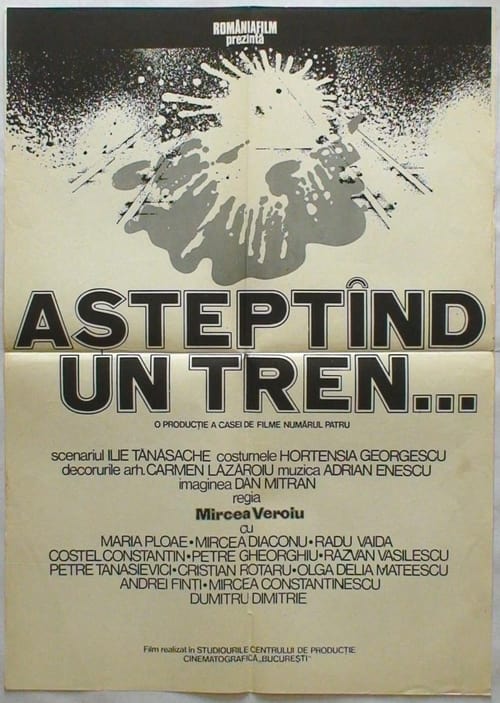
1982

1987

1980

1987
No reviews yet. Be the first to share your thoughts on this movie!
Use the rating form above to leave a star rating and optional review.