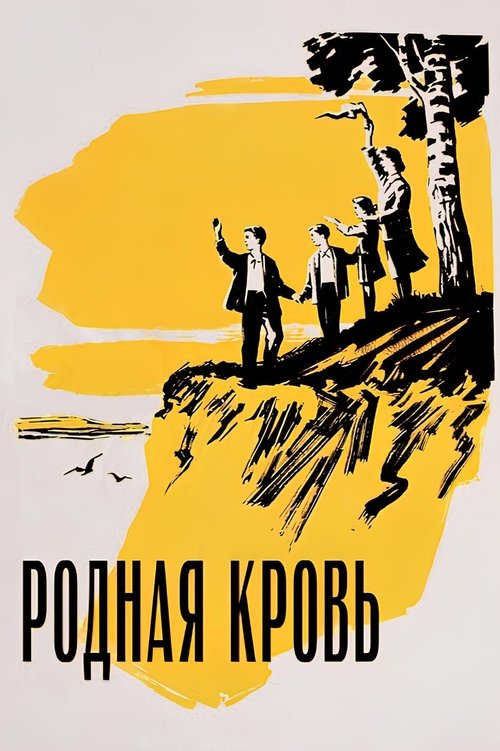
Blood Ties
1964
No user ratings available yet
Representation score: 5.4 out of 10
Representation Score
Fair
1959
Director
Sergei Bondarchuk
Runtime
103 minutes
Average Rating
No ratings yetNew Showbiz Analysis
Sergey Bondarchuk’s drama is a humanistic exploration of survival that avoids the glorified depiction of war. It succeeds by emphasizing psychological interiority and the breakdown of traditional social stability. The focus on the protagonist's moral fragmentation provides a nuanced view of post-war reality. Ultimately, the work is defined by its tension between traditional communal identities and a modernizing state, making it a profound study of resilience during historical shifts.
Category Breakdown
The film adheres to traditional mid-20th-century social norms, focusing on heterosexual family structures and wartime survival. It does not include any representation of LGBTQ+ identities or non-binary gender roles.
The narrative centers around the male protagonist's struggle and endurance. Female characters mainly serve as symbols of domesticity or the tragic victims of war, lacking significant roles in driving the plot.
The film examines the conflict between Cossack identity and the changing Soviet social order. It focuses on a localized ethnic experience rather than broader multi-layered diversity.
The story critiques the loss of traditional agrarian life and communal structures. It highlights individual trauma and moral relativism over idealized state-sponsored heroism.
The film addresses the hidden psychological impact of war and post-war PTSD. However, it emphasizes the survivor cliché rather than exploring active ability to act in mental health issues.
Present on Screen
Limited or Absent
Official Synopsis
The story of a man whose life was ruthlessly crippled by World War II. His wife and daughters were killed during the bombing of his village, he spent some time as a prisoner, and his only son was killed in action only a few days before the victory...
1964

1960
1985
1977
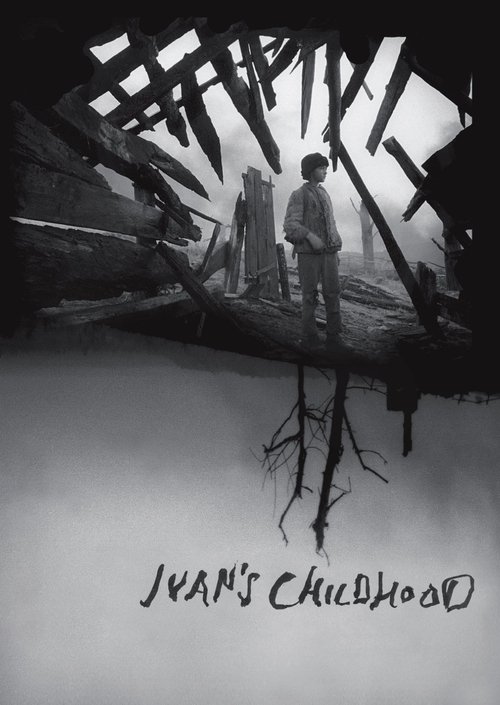
1962
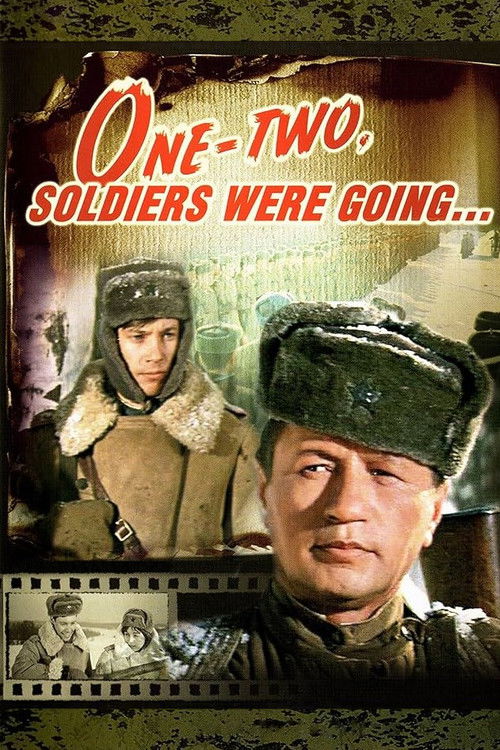
1976
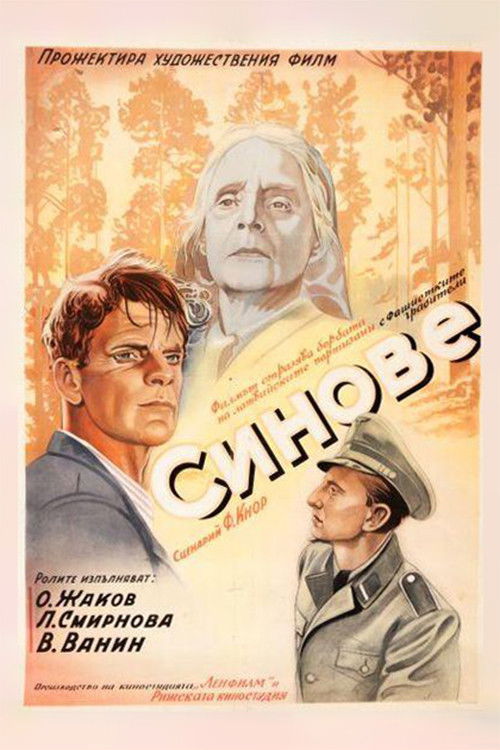
1946
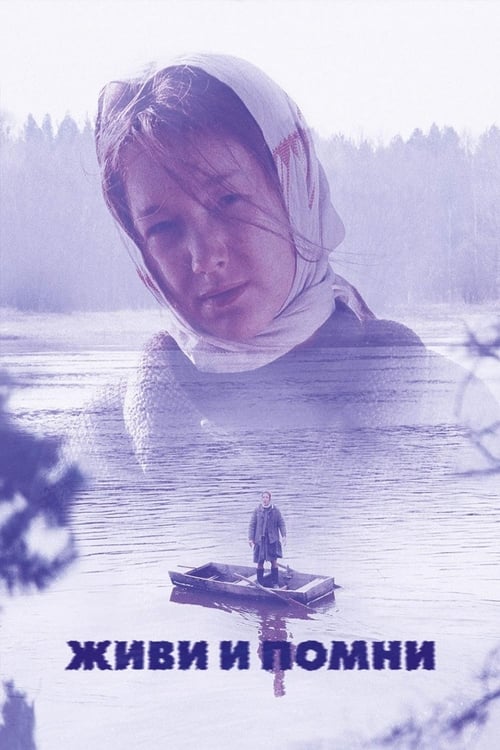
2008
No reviews yet. Be the first to share your thoughts on this movie!
Use the rating form above to leave a star rating and optional review.