Au Revoir les Enfants
1987
No user ratings available yet
Representation score: 3.5 out of 10
Representation Score
Limited
1962
Not RatedDirector
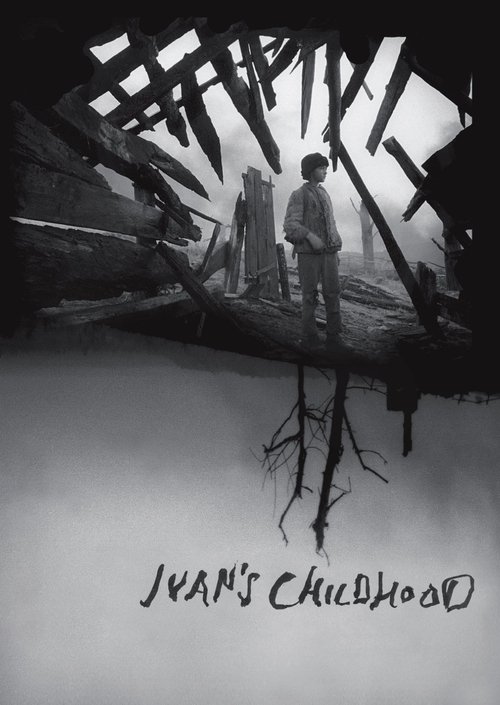
Andrei Tarkovsky
Runtime
95 minutes
Average Rating
No ratings yetNew Showbiz Analysis
Ivan's Childhood is a psychologically dense war drama that prioritizes internal truth over broad demographic representation. While it lacks diverse identities, it excels in its nuanced portrayal of mental health and trauma. Operating within a narrow historical and cultural scope, the film limits its demographic diversity. However, it avoids superficiality by using the protagonist's psychological struggles to drive the narrative. Ultimately, the film prioritizes a deep, humanistic exploration of the individual's struggle against systemic violence over broad social representation.
Category Breakdown
The film does not include any LGBTQ+ characters or non-straight identities. It centers on the psychological journey of a child soldier during World War II.
The story unfolds within a male-dominated military structure. Women appear as symbolic figures representing lost domestic life rather than active participants in the plot.
The cast is ethnically uniform, reflecting the historical context of the Soviet-German conflict. This homogeneity aligns with the film's specific geopolitical setting.
Tarkovsky employs a poetic structure to explore moral ambiguity and the dissolution of the family unit. The film critiques how large institutions can consume individuals.
The film deeply examines psychological trauma through the protagonist's intrusive hallucinations and fragmented reality. Ivan's mental state drives the narrative's emotional core.
Present on Screen
Limited or Absent
Official Synopsis
In WW2, twelve year old Soviet orphan Ivan Bondarev works for the Soviet army as a scout behind the German lines and strikes a friendship with three sympathetic Soviet officers.
1987
1952
1965
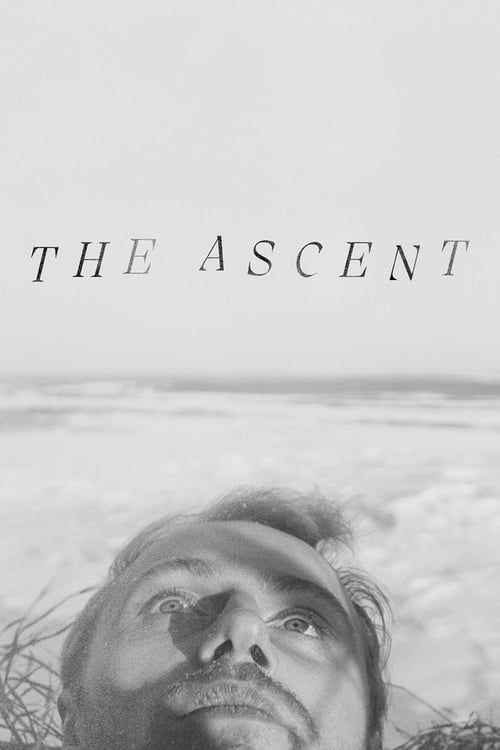
1977

1970
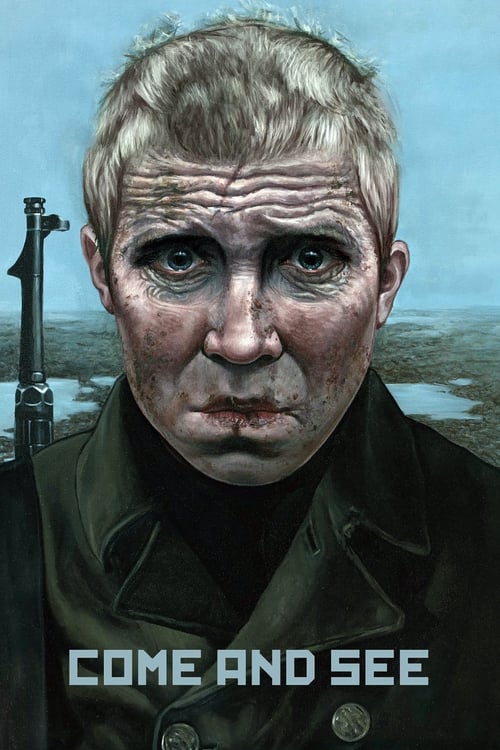
1985
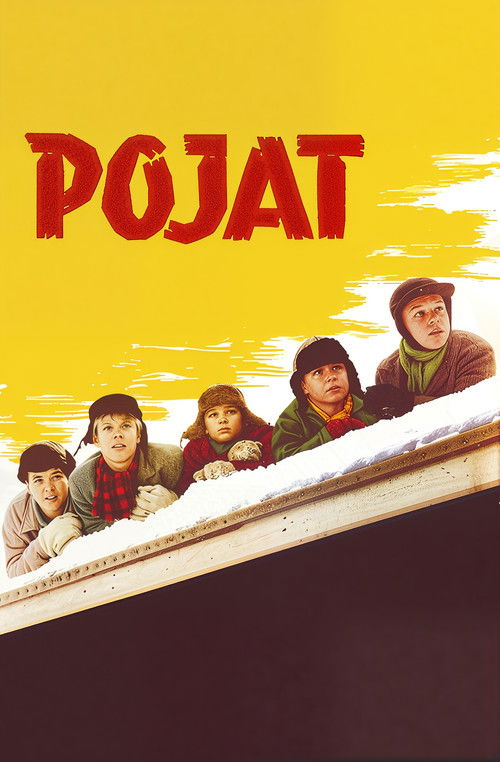
1962
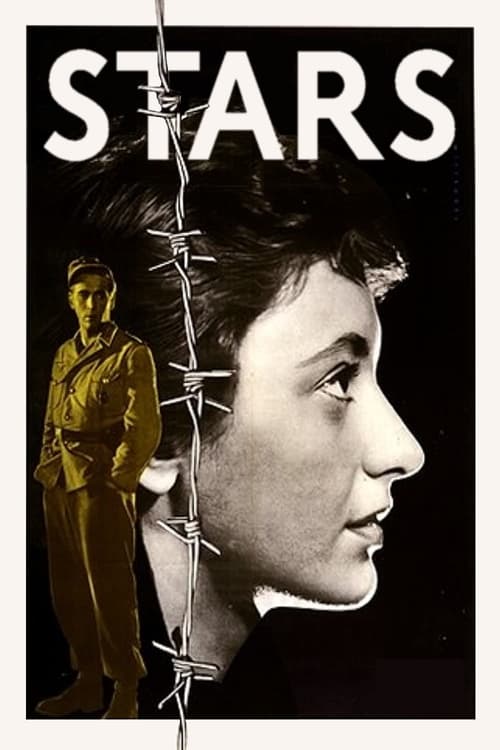
1959
No reviews yet. Be the first to share your thoughts on this movie!
Use the rating form above to leave a star rating and optional review.