
Struggle in Italy
1971
No user ratings available yet
Diversity score: 4.9 out of 10

1969
Director
Želimir Žilnik
Runtime
87 minutes
Average Rating
No ratings yetSynopsis
Inspired by Karl Marx's "Das Kapital", three men and a girl named Jugoslava decide to wake up the conscience within the working class and peasants. Faced with the primitivism and a lack of morale, their revolution fails and the girl is the one to be sacrificed as a witness of their unsuccessful attempt.
Overall Score
Fair
Category Breakdown
LGBTQ+ Representation
The film lacks explicit LGBTQ+ narratives or non-cisnormative identities. The story focuses strictly on socioeconomic struggles and the failure of revolutionary fervor.
Gender Representation
Jugoslava serves as a central, sacrificial figure within a narrative that disrupts traditional heroic tropes. While male characters attempt to drive political change, they are depicted as ineffective.
Racial & Ethnic Diversity
The film depicts a homogeneous Yugoslavian working-class environment. It focuses on the specific ethnic and social identity of the Balkan proletariat rather than racial intersectionality.
Religious & Cultural Diversity
The narrative engages deeply with Marxist frameworks and anti-capitalist critiques. It prioritizes a gritty, subjective morality over the polished, idealized optimism of state-sanctioned socialist realism.
Disability Representation
There is no significant or intentional representation of physical or neurodivergent disabilities. The focus remains on the socioeconomic conditions and primitivism of the characters.
Strengths
Areas for Improvement
AI Analysis
Early Works is a profound piece of systemic critique that prioritizes class struggle over individual identity politics. It uses the Black Wave movement's lens to deconstruct socialist idealism through a gritty, realistic portrayal of the proletariat. The film excels in its cultural and ideological depth, offering a sophisticated critique of institutional efficacy. However, it lacks representation for LGBTQ+ identities and disability, focusing instead on the material realities of the Balkan working class. Ultimately, the film's value lies in its subversion of traditional power structures and its refusal to provide a polished, state-sanctioned narrative.
1971

2001

1974
1930
1929
1998
1971
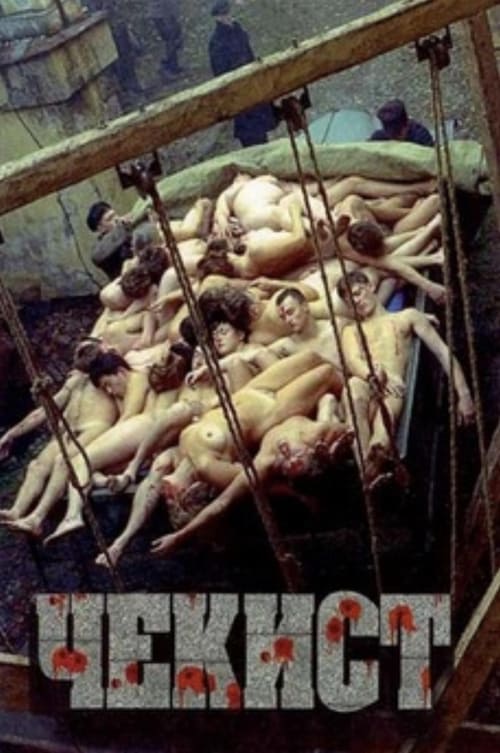
1992
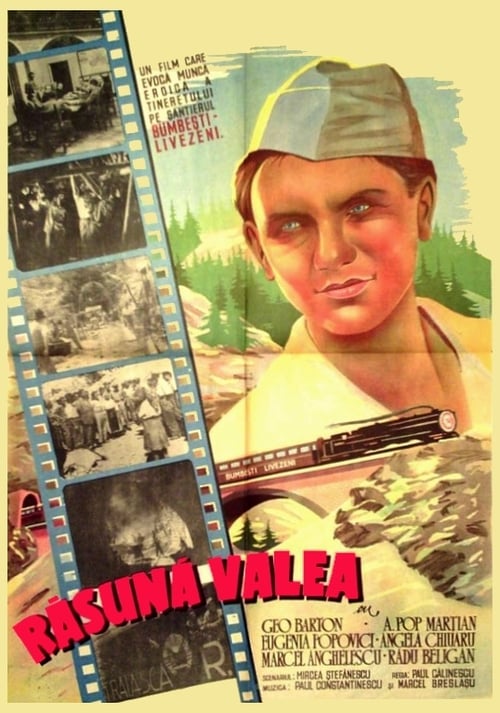
1950
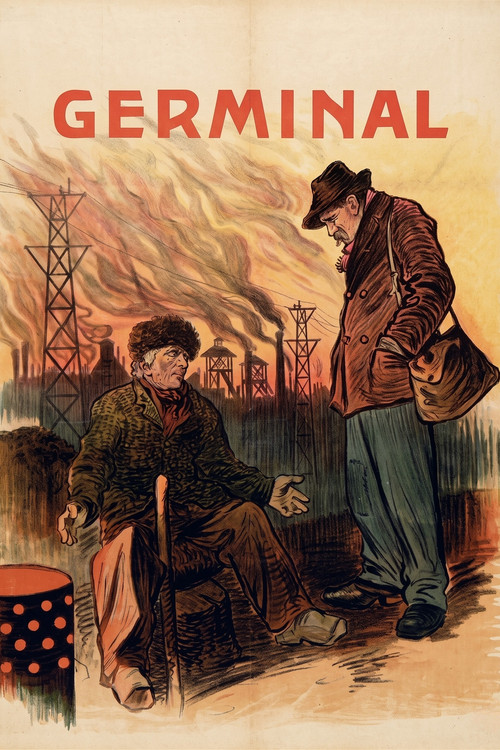
1913
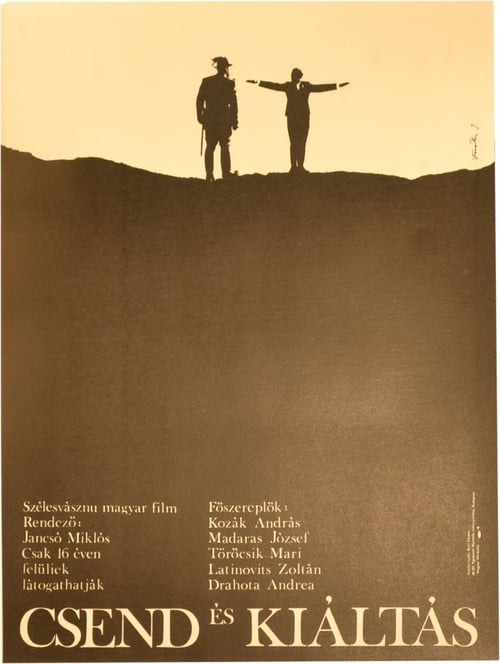
1968
1973
No reviews yet. Be the first to share your thoughts on this movie!
Use the rating form above to leave a star rating and optional review.