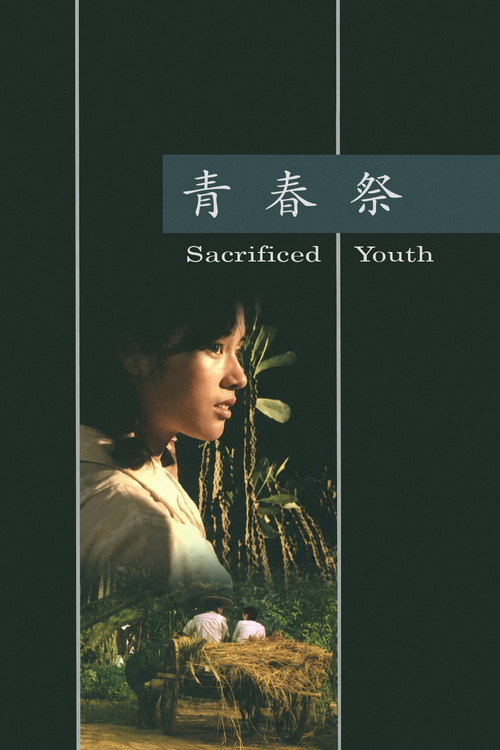
Sacrificed Youth
1985
No user ratings available yet
Representation score: 6.2 out of 10
Representation Score
Good
1998
RDirector
Joan Chen
Runtime
99 minutes
Average Rating
No ratings yetNew Showbiz Analysis
Joan Chen’s direction offers a sophisticated critique of historical trauma and state-mandated social structures. The film prioritizes the individual's psychological landscape over official political narratives, providing a deep look at how centralized power affects the human spirit. While the film lacks modern demographic variety, it excels in thematic depth. It challenges traditional social stability to examine how centralized power deconstructs the family and individual identity. The score reflects a tension between a specific, historically grounded setting and a highly progressive thematic structure. It is a study of survival rather than a showcase of diverse identities.
Category Breakdown
The film focuses on a protagonist isolated within a rigid, straight-centered political environment. There is no explicit depiction of LGBTQ+ identities or non-binary gender expressions.
The narrative centers on a young woman's struggle for control within a patriarchal, totalitarian system. It highlights her internal resilience and psychological survival against state-mandated roles.
The setting reflects the ethnic homogeneity of the Sichuan steppes. It explores internal ethnic dynamics through the interaction between the protagonist and the Tibetan character, Lao Jin.
The film critiques the dismantling of traditional institutions like the family unit by state ideology. It portrays how political fervor can corrupt social norms and familial loyalty.
No characters are defined by visible or invisible disabilities. The film instead touches upon the psychological trauma inflicted upon youth by the state.
Present on Screen
Limited or Absent
Official Synopsis
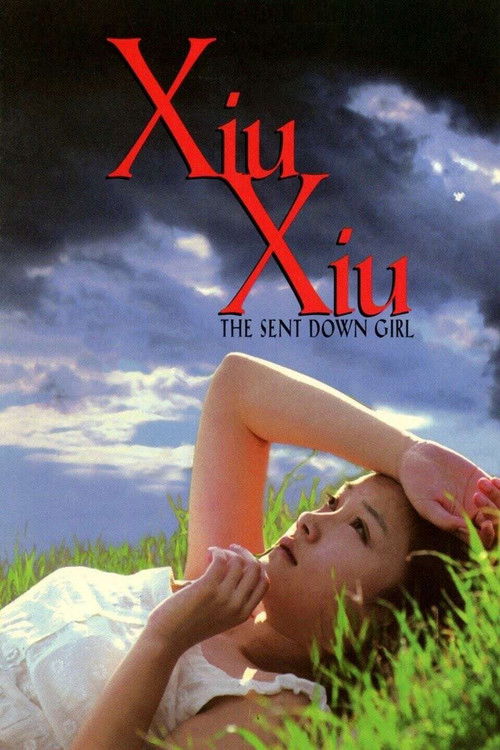
Young teen girl Xiu Xiu is sent away to a remote corner of the Sichuan steppes for manual labor in 1975 (sending young people to there was a part of Cultural Revolution in China). A year later, she agrees to go to even more remote spot with a Tibetan saddle tramp Lao Jin to learn horse herding.
1985
1985
1987

1994

2009
2017
1994

2005
No reviews yet. Be the first to share your thoughts on this movie!
Use the rating form above to leave a star rating and optional review.