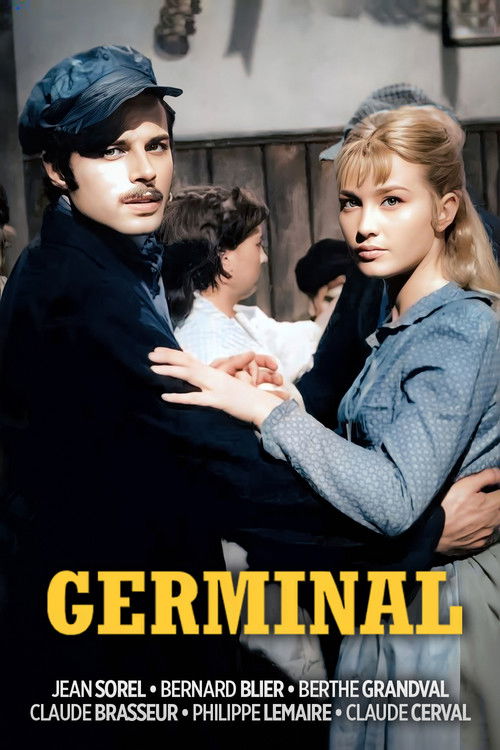
Germinal
1963
No user ratings available yet
Representation score: 4.8 out of 10
Representation Score
Fair
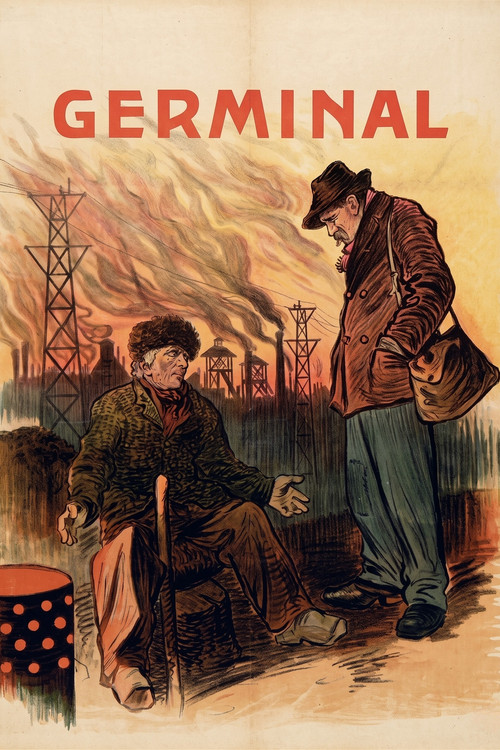
1913
Director
Albert Capellani
Runtime
150 minutes
Average Rating
No ratings yetNew Showbiz Analysis
Albert Capellani’s adaptation of Zola’s novel is a landmark of cinematic naturalism. It prioritizes a sophisticated critique of 19th-century capitalist structures over idealized storytelling. By focusing on the crushing weight of poverty, the film frames the proletariat's struggle as a systemic confrontation with oppressive institutional power. While the film lacks modern markers of gender and identity, its focus on class-based power dynamics is deeply progressive. It moves beyond simple moralizing to explore how environment and heredity shape the human condition during the industrial era. Ultimately, the work functions as a significant historical document. It challenges traditional social hierarchies by presenting the breakdown of social order as a systemic inevitability rather than a mere personal hardship.
Category Breakdown
The film focuses on the socio-economic struggles of a 19th-century mining community. There are no non-straight relationships or queer narratives within this historical context.
Men work in the mines while women deal with the domestic consequences of poverty. The film shows women managing the psychological toll of economic hardship.
Set in 1860s Northern France, the film reflects the homogeneous working-class population. The cast portrays a culturally specific French community.
The film provides a critical look at Western institutions through an anti-capitalist lens. It portrays the relationship between mine owners and workers as inherently exploitative.
The narrative depicts the physical toll of manual labor and the physiological damage from industrial accidents. These depictions highlight the class struggle.
Present on Screen
Limited or Absent
Official Synopsis
Based on Emile Zola's novel, an uncompromisingly harsh and realistic story of a coalminers' strike in northern France in the 1860s.
1963
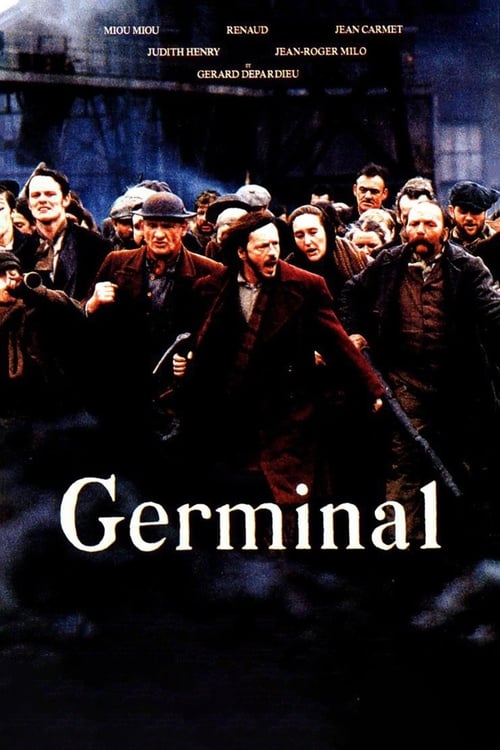
1993

1929

1925
1908
1954

1947
1987
No reviews yet. Be the first to share your thoughts on this movie!
Use the rating form above to leave a star rating and optional review.