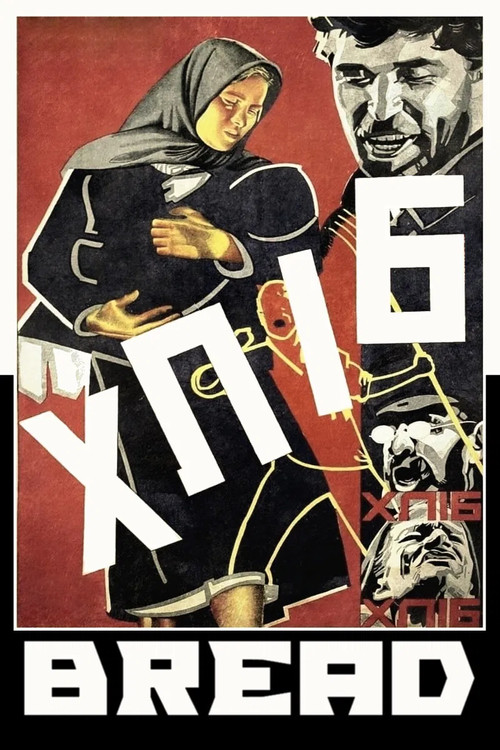
Bread
1929
No user ratings available yet
Representation score: 3.7 out of 10

Representation Score
Good
1929
Not RatedDirector
Sergei Eisenstein, Grigori Aleksandrov
Runtime
125 minutes
Average Rating
No ratings yetNew Showbiz Analysis
Eisenstein and Aleksandrov use cinematic techniques to break down traditional social structures. The film successfully challenges patriarchal authority by focusing on collective labor and female empowerment during the Soviet industrial transition. Although the film lacks explicit LGBTQ+ or neurodivergent representation, it provides a radical critique of Western capitalist and religious systems. It shifts the focus from individualism to systemic, class-based progress. Ultimately, the film serves as a tool for social restructuring, emphasizing the strength of the working class over traditional family or religious units.
Category Breakdown
The film focuses on community and class bonds rather than individual romantic relationships. It steers clear of traditional domestic settings and does not include explicit LGBTQ+ identities.
Women are shown as active participants in industrial and agricultural advancements. The narrative highlights their political influence and labor contributions rather than submissive roles.
The film emphasizes class identity over ethnic differences, presenting workers as universal archetypes. It centers on a non-Western transformation that challenges capitalist structures.
The narrative criticizes outdated Western institutions and religious practices. It promotes a collective morality and state-driven progress over individualistic capitalism.
Disability is not a central theme, and characters with disabilities have limited control over their lives. However, the film avoids common clichés of inspiration-seeking stories involving people with disabilities.
Present on Screen
Limited or Absent
Official Synopsis
100.000.000 peasants – illiterate, poor, hungry. There comes a day when one woman decides that she can live the old life no longer. Using ways of new Soviet state and industrial progress, she changes the lives and labours of her village.
1929

1930
1928

1918

1932
1940
1939
1932
No reviews yet. Be the first to share your thoughts on this movie!
Use the rating form above to leave a star rating and optional review.