Raven's End
1963
No user ratings available yet
Diversity score: 4.6 out of 10
1971
NRDirector
Bo Widerberg
Runtime
118 minutes
Average Rating
No ratings yetSynopsis
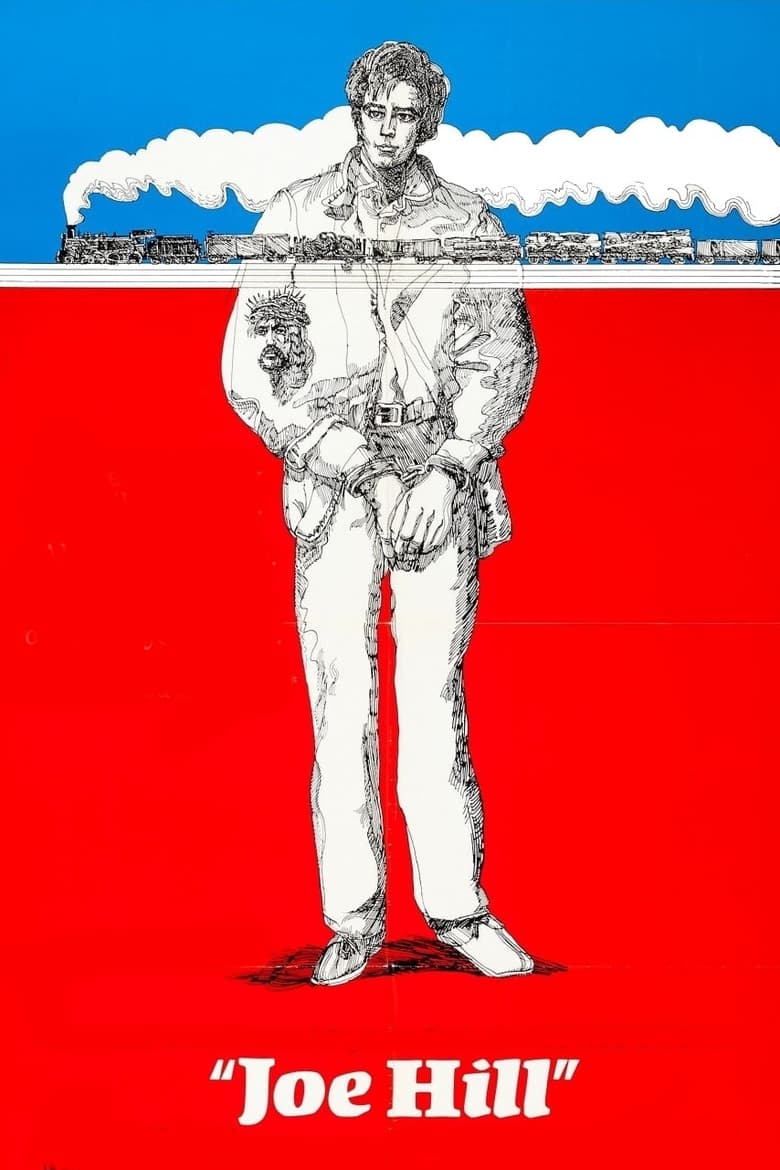
In the early 20th-century, the legendary Joe Hill emigrates with his brother to the United States. However, after a short time, he loses touch with his brother. After a few jobs but struck by all the injustice and tragedy, he becomes active in the forbidden IWW (Industrial Workers of the World), a union for workers without trades. It is forbidden to demonstrate and speak in public but Joe finds a loophole by singing his manifests with the Salvation Army. As his allies grow, so do his enemies.
Overall Score
Fair
Category Breakdown
LGBTQ+ Representation
The film focuses strictly on the socio-political sphere of labor organizing. There is no discernible presence of LGBTQ+ characters or non-heteronormative identities.
Gender Representation
The narrative is dominated by male figures within the spheres of activism and legal combat. Female characters remain largely on the periphery of the primary political arc.
Racial & Ethnic Diversity
The film highlights a multi-ethnic immigrant labor force through the IWW. This disrupts monolithic views of history by portraying the immigrant experience as a central driving force.
Religious & Cultural Diversity
The story offers a profound critique of Western institutional power and capitalism. It celebrates political rebellion and the defiance of state authority as a moral necessity.
Disability Representation
The narrative focuses almost exclusively on socioeconomic and class-based identity. There is no significant focus on neurodivergence or physical disability within the character arcs.
Strengths
Areas for Improvement
AI Analysis
Bo Widerberg’s drama is a specialized study of class struggle and industrial capitalism. It succeeds in portraying the diverse, multi-ethnic makeup of the early 20th-century working class, providing a nuanced view of the immigrant experience. However, the film is limited by its narrow focus on masculine-coded environments. The political agency is centered almost entirely on men, leaving women and LGBTQ+ identities absent from the narrative architecture. Ultimately, the film trades broad demographic representation for deep ideological critique. It prioritizes the depiction of systemic oppression and anti-capitalist defiance over a diverse spectrum of personal identities.
1963
1949

1969
1948
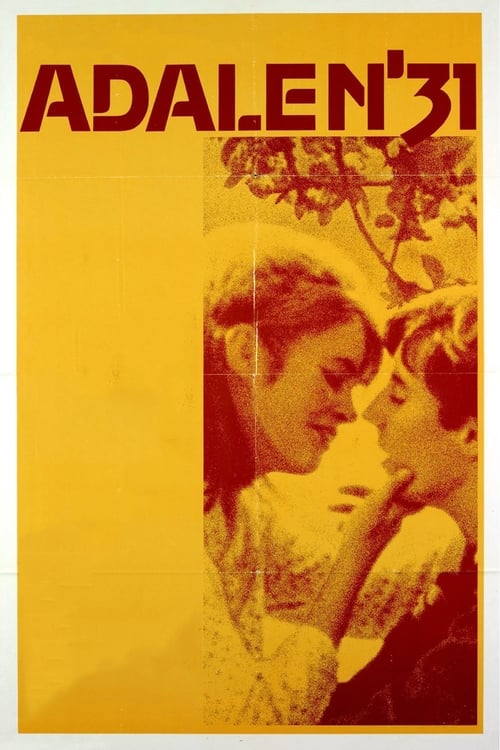
1969

1981
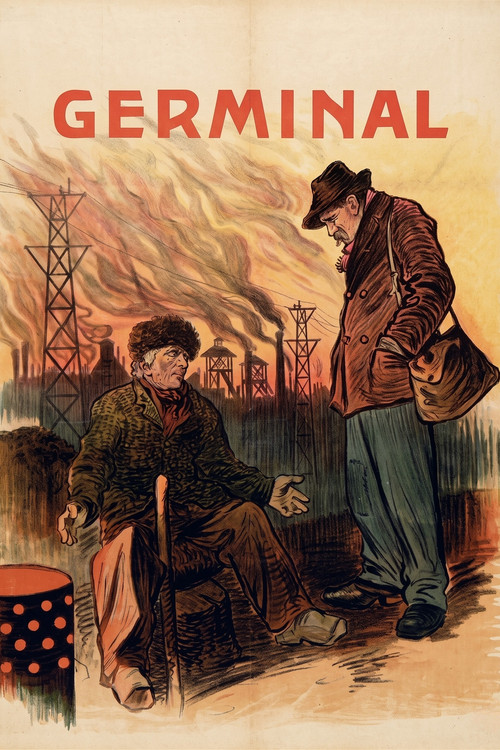
1913
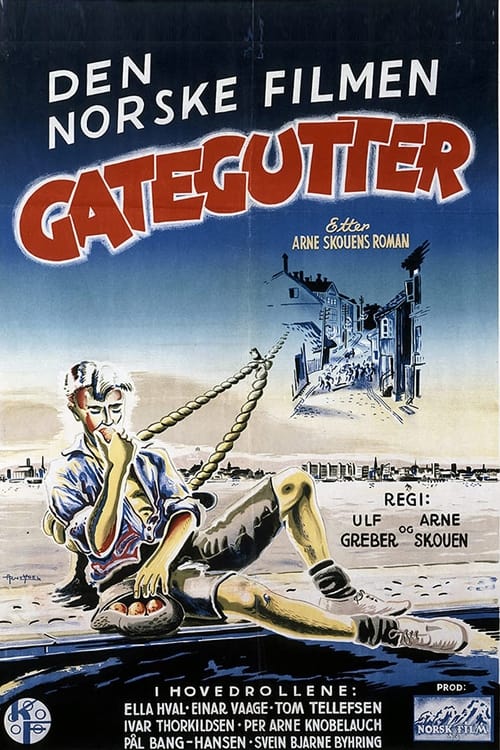
1949
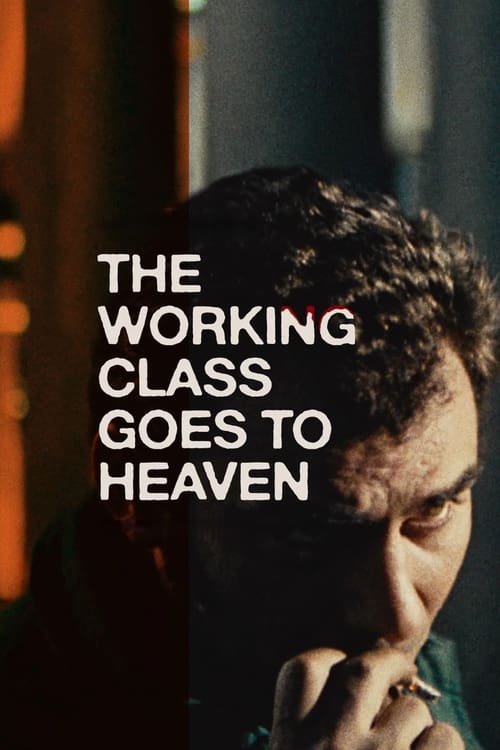
1971
1931

2013

1988
No reviews yet. Be the first to share your thoughts on this movie!
Use the rating form above to leave a star rating and optional review.