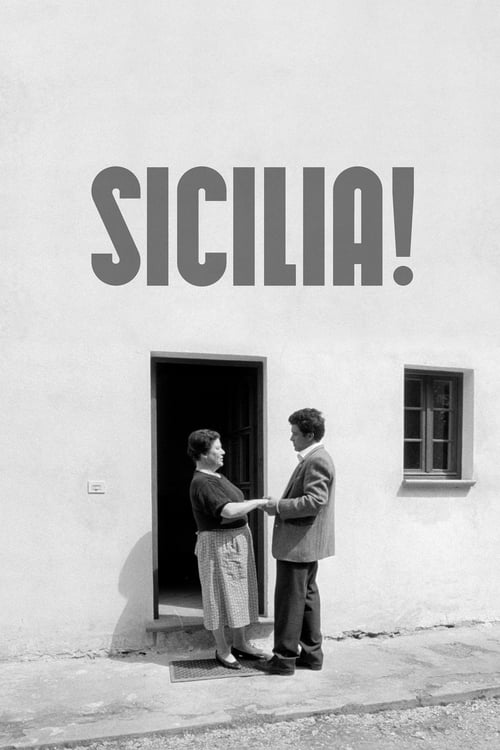
Sicily!
1999
No user ratings available yet
Diversity score: 6.0 out of 10
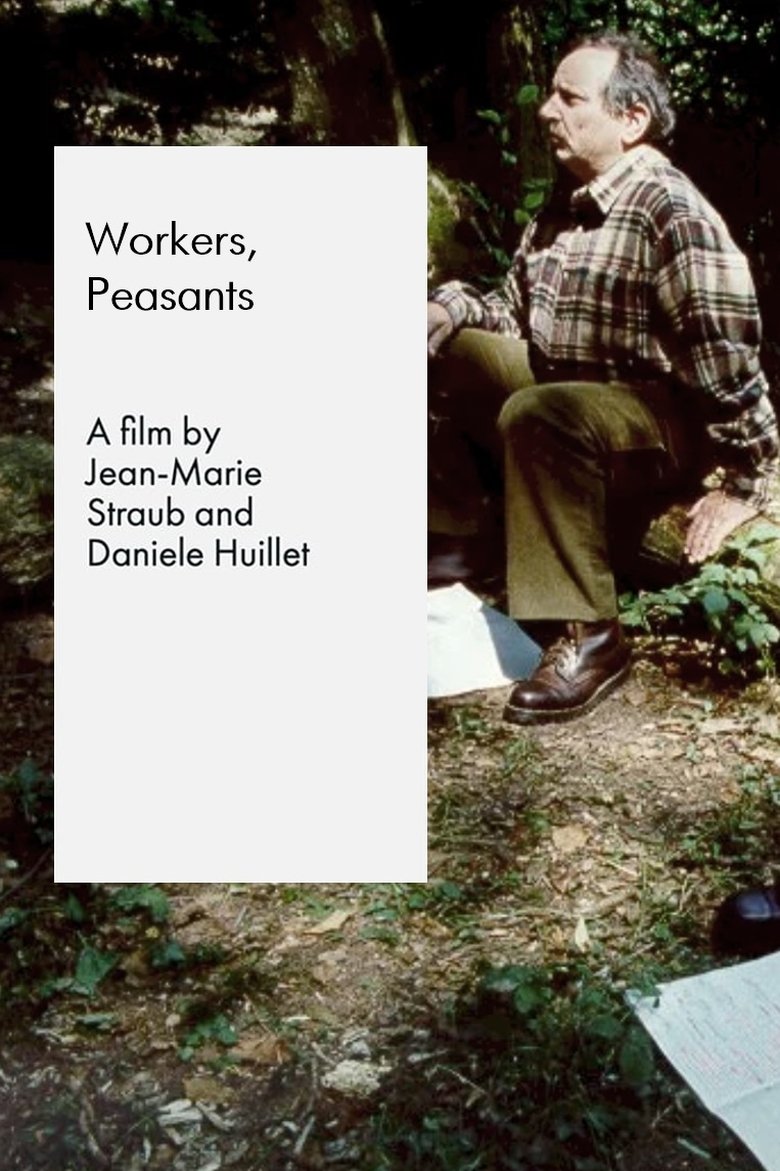
2001
Director
Jean-Marie Straub, Danièle Huillet
Runtime
123 minutes
Average Rating
No ratings yetSynopsis
A group of men and women have been brought together after World War II, when Italy regained its national and territorial unity. They make up a primitive community which seeks to erase not only the distress created by the war but also the hardships of life, and look to protect themselves from violence, misery and fear. Amid the ruins of this post-war period, these men and women build a new rapport between themselves, between sexes, between generations, between social and geographical origins, between political camps.
Overall Score
Fair
Category Breakdown
LGBTQ+ Representation
The film functions as a documentary-style essay focused on the phenomenology of labor. There is no discernible presence of LGBTQ+ characters or narratives within this study of post-war peasantry.
Gender Representation
Men and women are placed on an equal footing through the shared physical reality of manual labor. The film challenges submissive femininity by depicting women engaged in grueling reconstruction work.
Racial & Ethnic Diversity
The narrative centers on the socioeconomic struggles of the Italian working class and peasantry. It deconstructs dominant historical narratives by focusing on the silent history of marginalized workers.
Religious & Cultural Diversity
This work provides a profound critique of traditional Western institutions and capitalist structures. It prioritizes a materialist view of history, centering the dignity of labor over institutional leaders.
Disability Representation
The film examines the physical toll of manual labor on the human form. While lacking central protagonists with specific disabilities, it highlights the bodily vulnerabilities of workers under systemic pressure.
Strengths
Areas for Improvement
AI Analysis
Workers, Peasants is a radical cinematic work that prioritizes class struggle and materialist thought over individual identity politics. Its strength lies in its systemic critique of capitalist structures and its refusal to follow bourgeois narrative hierarchies. The film succeeds in presenting a unified view of gender through the lens of shared survival and labor. It effectively deconstructs official histories by centering the experiences of the peasantry and the working class. However, the film lacks explicit representation of LGBTQ+ identities and specific disability narratives. Its focus remains strictly on the socioeconomic and physical realities of post-war Italian reconstruction.
1999
1980
1946
2016
2002
1975
1958
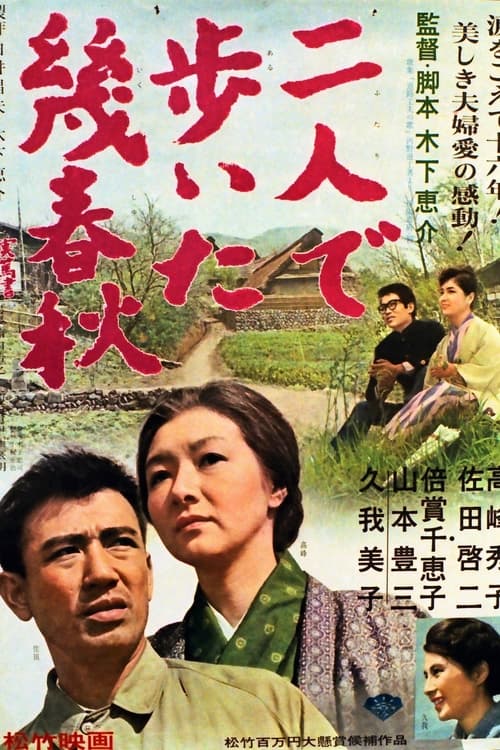
1962
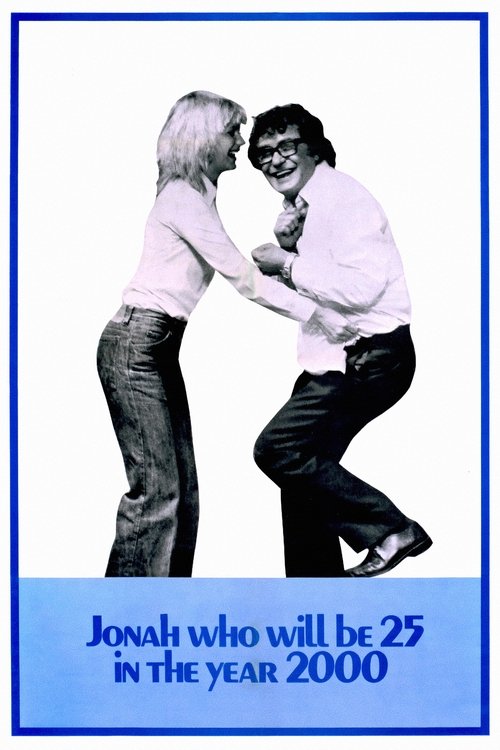
1976
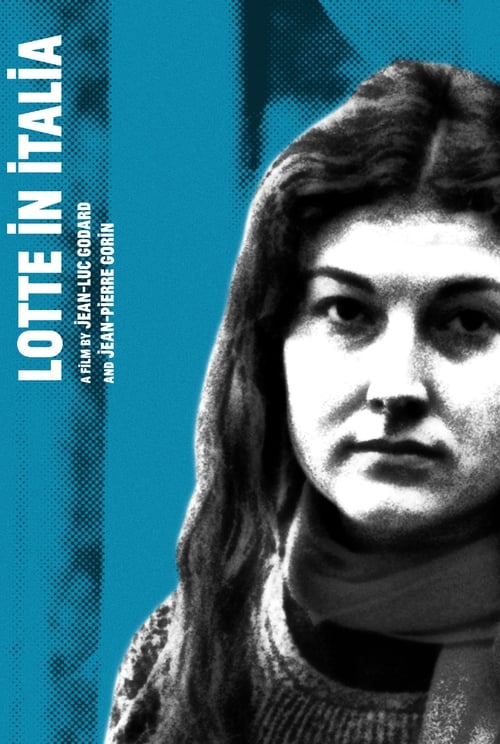
1971
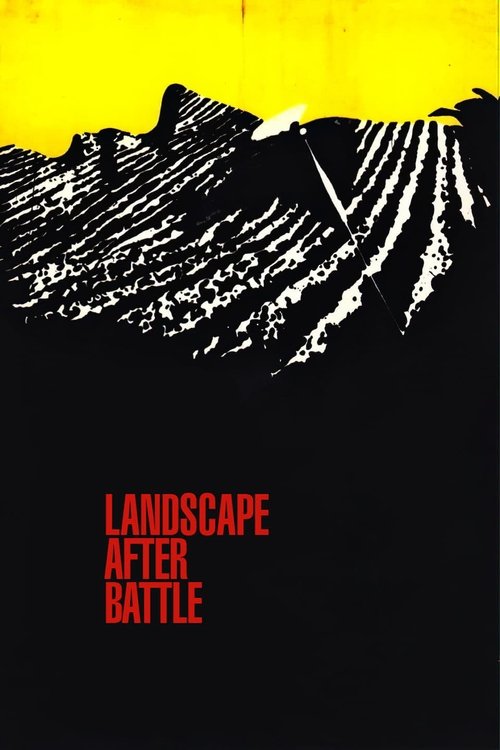
1970
1944
No reviews yet. Be the first to share your thoughts on this movie!
Use the rating form above to leave a star rating and optional review.