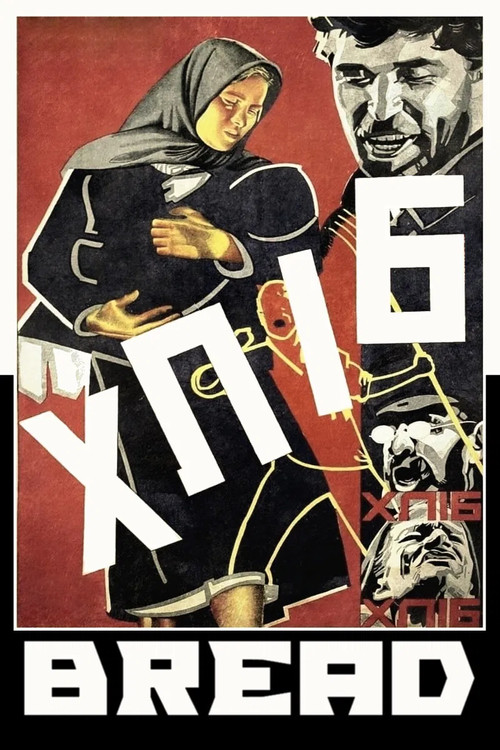
Bread
1929
No user ratings available yet
Representation score: 3.7 out of 10
Representation Score
Fair
1930
NRDirector
Alexander Dovzhenko
Runtime
79 minutes
Average Rating
No ratings yetNew Showbiz Analysis
Dovzhenko’s masterpiece redefines social hierarchies by centering the Ukrainian agrarian experience. By elevating the working class to mythic status, the film challenges urban-centric historical narratives and celebrates a shift toward collectivism. While the film offers a profound critique of capitalist structures and individualist property norms, it lacks representation for LGBTQ+ identities and disability. The gender portrayal is nuanced, moving away from individual male dominance toward communal necessity.
Category Breakdown
The film focuses entirely on the struggles of the peasantry and does not include any queer subtext or non-cisgender identities.
Women are portrayed as essential pillars of survival, elevating motherhood to a mythic status. The narrative emphasizes communal labor over traditional patriarchal dominance.
The story centers on the Ukrainian peasantry, providing a localized exploration of ethnic identity. It elevates the agrarian laborer to a mythic protagonist.
The film celebrates the deconstruction of private property in favor of a collectivist social order. It frames the transition to collective farming as a necessary evolution.
There are no prominent depictions of physical or neurodivergent disabilities used as central plot devices or character arcs.
Present on Screen
Limited or Absent
Official Synopsis
During the agrarian collectivization process in the Soviet Union, Vasyl, a peasant member of the youth division of the Communist Party, gets a tractor with the help of a local party organization and plows private boundaries on kulak fields. However, this enthusiasm will cost him dearly.
1929
1925
1935

1949
1981
1940

1932
1960
No reviews yet. Be the first to share your thoughts on this movie!
Use the rating form above to leave a star rating and optional review.