
How the Steel Was Tempered
1973
No user ratings available yet
Diversity score: 3.7 out of 10
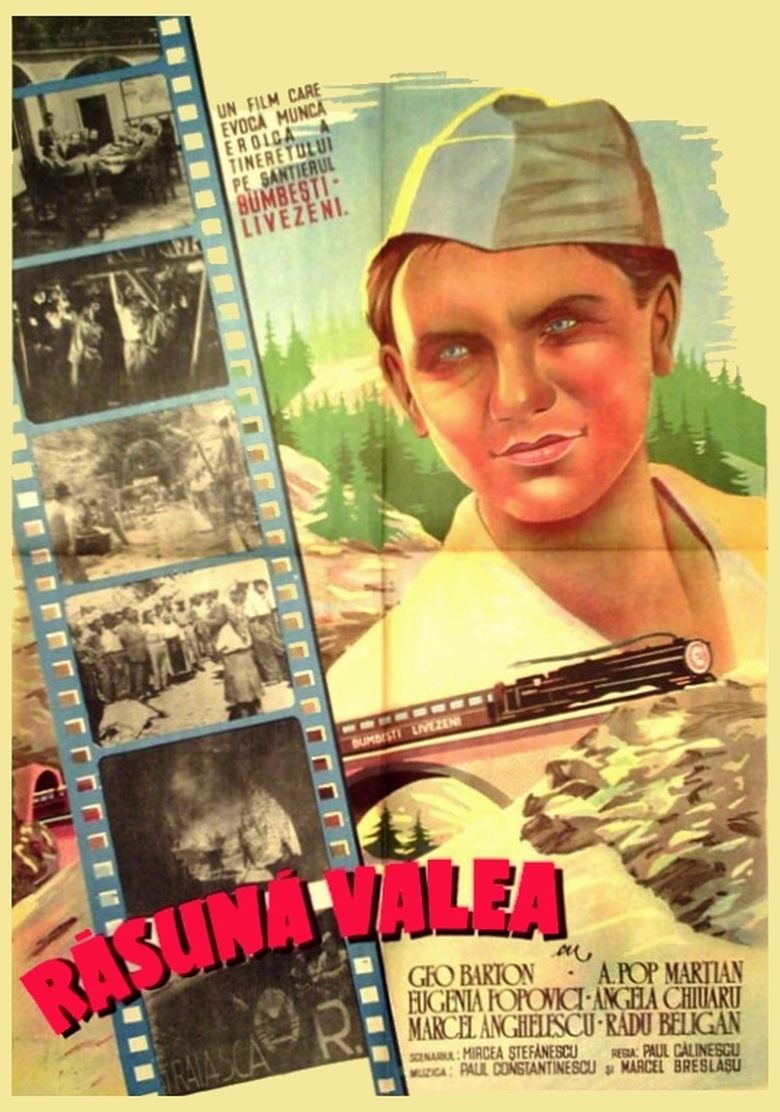
1950
Director
Paul Călinescu
Runtime
68 minutes
Average Rating
No ratings yetSynopsis
Famous Romania communist propaganda movie, one of the templates to what followed. It is about the volunteers that built the Bumbești-Livezeni railroad.
Overall Score
Fair
Category Breakdown
LGBTQ+ Representation
The film adheres to strict heteronormative structures typical of 1950s Eastern Bloc cinema. There is no evidence of non-cisnormative identities within the narrative.
Gender Representation
Women are depicted in labor-intensive roles to showcase the 'new socialist woman.' However, they often lack individual agency, serving in secondary roles to male leaders.
Racial & Ethnic Diversity
The film focuses on a relatively homogeneous ethnic landscape. It prioritizes class-based distinctions, such as worker versus oppressor, over intersectional racial dynamics.
Religious & Cultural Diversity
The narrative centers on collective industrial progress, explicitly deconstructing Western-aligned capitalist and religious institutions. It frames the old social order as an obstacle to the proletariat.
Disability Representation
Physical capability is treated as a prerequisite for social utility. There are no nuanced depictions of neurodivergence or chronic illness presented in the film.
Strengths
Areas for Improvement
AI Analysis
The Valley Resounds functions primarily as a tool for communist propaganda, prioritizing class struggle over individual identity. Its strength lies in its radical cultural shift, replacing traditional religious and capitalist hierarchies with a collectivist, industrial framework. However, this focus on state-driven utility results in significant gaps elsewhere. The film lacks representation for LGBTQ+ identities and disability, viewing characters through the lens of their physical contribution to the state. Ultimately, the work trades personal diversity for a singular, homogeneous focus on the organized working class and the construction of the Bumbești-Livezeni railroad.
1973
1964
1953
1963

1951

1978

1976
1979
1949

1967

2003
1954
No reviews yet. Be the first to share your thoughts on this movie!
Use the rating form above to leave a star rating and optional review.