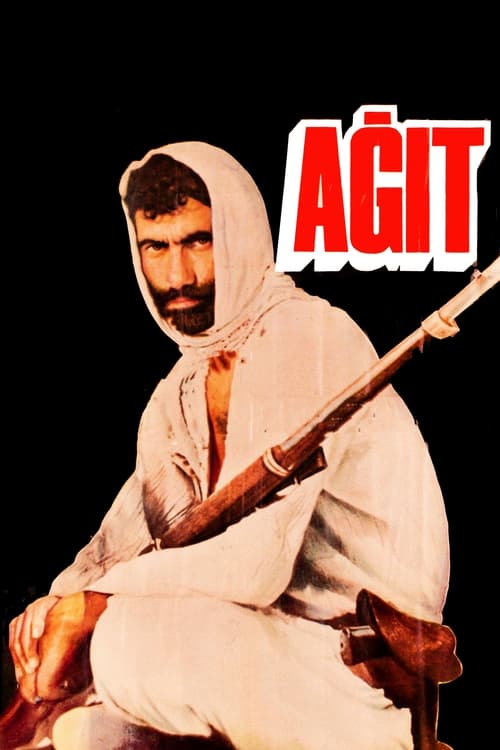
Elegy
1972
No user ratings available yet
Diversity score: 5.7 out of 10

1974
Not RatedDirector
Yılmaz Güney
Runtime
99 minutes
Average Rating
No ratings yetSynopsis
After betraying his social class, denying his peasant roots and fleeing his native village, Ahmed has become a successful businessman and has found a place in the sun among the bourgeoisie. Azem, his childhood friend, has followed a quite different way. refusing the rat race, he has remained close to people of humble origin. Politically committed, he aspires to be useful to his country and more particularly to the forsaken rural world. The two former friends meet again. Due to the influence of Azem, Ahmed gradually becomes aware that his life is a failure.
Overall Score
Fair
Category Breakdown
LGBTQ+ Representation
The film does not feature LGBTQ+ characters or explore non-heteronormative identities. The narrative focuses strictly on socioeconomic and class-based tensions between the protagonists.
Gender Representation
The story operates within a traditional, patriarchal agrarian society. Women are largely relegated to the domestic sphere, reflecting the historical social structures of rural Turkey.
Racial & Ethnic Diversity
The film centers on the ethnic and social realities of the Turkish peasantry. It provides an authentic look at a rural working class often marginalized in urban narratives.
Religious & Cultural Diversity
The narrative offers a deep anti-capitalist critique, framing bourgeois success as a moral failure. It prioritizes the needs of the rural world over individualist or Westernized values.
Disability Representation
There is no significant or intentional focus on visible or invisible disabilities. Character struggles are defined by socioeconomic status rather than physical or neurodivergent identities.
Strengths
Areas for Improvement
AI Analysis
Yılmaz Güney’s work is a masterclass in social realism, prioritizing class struggle over individual identity. The film succeeds in deconstructing capitalist structures by centering the experiences of the oppressed peasantry and critiquing systemic exploitation. However, the film lacks breadth in demographic representation. It does not address LGBTQ+ identities or provide significant agency to female characters, who remain confined to domestic roles within a patriarchal framework. Ultimately, the film's strength lies in its political commitment to the marginalized rural class, even if it overlooks other dimensions of human diversity.
1972

1971
1979
1961
1977

1965

2009
1982

1997
1966

1997
1987
No reviews yet. Be the first to share your thoughts on this movie!
Use the rating form above to leave a star rating and optional review.