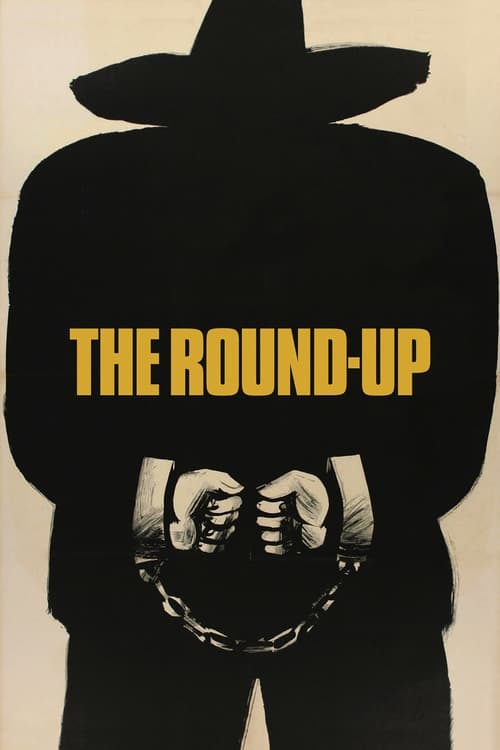
The Round-Up
1966
No user ratings available yet
Representation score: 2.5 out of 10
Representation Score
Fair
1968
Director
Miklós Jancsó
Runtime
72 minutes
Average Rating
No ratings yetNew Showbiz Analysis
Miklós Jancsó’s work stands out in its critique of power and institutionalized violence. Using its historical setting, the film explores how state mechanisms coerce and oppress individuals. While the demographic variety is limited by the specific regional and historical context, the narrative structure remains progressive. It emphasizes the ability to act of those underrepresented against a backdrop of nationalist terror, prioritizing a deconstruction of dominant political structures over modern notions of identity diversity.
Category Breakdown
The film does not include any LGBTQ+ identities or stories that challenge the idea that everyone is straight or cisgender. There are no depictions of non-traditional gender identities or same-sex relationships.
Women play key roles by offering sanctuary and logistical support to the main character. They are active participants in the resistance movement rather than passive figures.
The film portrays a historically homogeneous population consistent with post-WWI Hungary. It accurately reflects the local peasantry and the regional setting of the Great Hungarian Plains.
The film critically examines state institutions and centralized authority, questioning the legitimacy of nationalist power structures and the Horthy regime.
The film does not significantly address visible or invisible disabilities. Characters' struggles are defined by their political status and class rather than physical conditions.
Present on Screen
Limited or Absent
Official Synopsis
Set during a turbulent era of disquiet, fear, persecution and terror, which permeates every corner of post-WWI Hungarian society. In 1919, after just a few months of communist rule the Hungarian Republic of Councils falls victim to a nationalist counter-revolution. Admiral Horthy, leader of the nationalist far right movement, becomes the self-proclaimed regent of Hungary, and assumes power as the legal Head of State. Soldiers of the short-lived Hungarian Red Army are now on the run from relentless secret policemen and patrol units of the nationalist Royal Gendarme. If caught, ex-Red Army soldiers are executed without mercy or proper trial. István Cserzi, a former soldier of the Red Army has fled to the Great Hungarian Plains and has taken refuge on a farm, which is run by two sympathetic women.
1966
1985
1969

1964
1967
1979
1979
1972
No reviews yet. Be the first to share your thoughts on this movie!
Use the rating form above to leave a star rating and optional review.