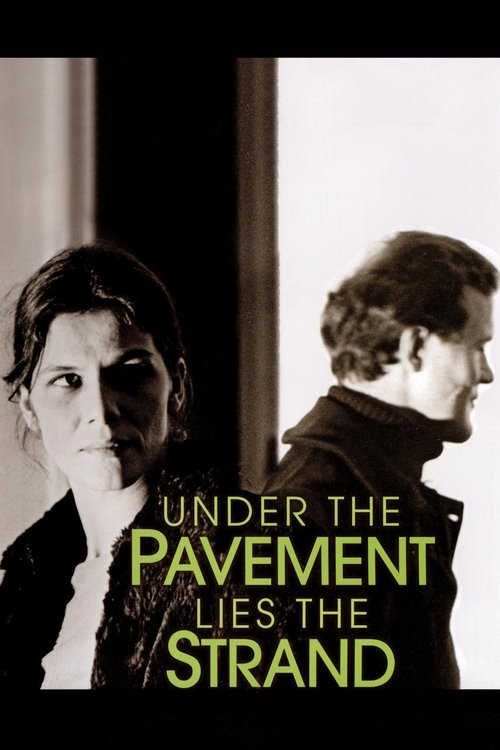
Under the Pavement Lies the Strand
1975
No user ratings available yet
Representation score: 8.1 out of 10
Representation Score
Good
1973
Director
Alexander Kluge
Runtime
89 minutes
Average Rating
No ratings yetNew Showbiz Analysis
Alexander Kluge’s film operates as a sociological essay rather than a character-driven drama. It excels at deconstructing systemic hierarchies, particularly regarding gender and Western institutional authority. By framing domesticity through the lens of labor, it offers a sharp critique of how economic machines exploit individuals. However, the film's fragmented, non-narrative style limits its ability to represent specific identities. The focus on macro-level socioeconomic structures means that individual identities, such as LGBTQ+ or specific racial and disability-based experiences, remain secondary to the broader critique of capitalism. Ultimately, the film is a powerful tool for systemic interrogation. It challenges traditional Western social structures, even if it lacks the specific character-driven representation found in contemporary cinema.
Category Breakdown
The film's essayistic structure emphasizes labor and socioeconomic systems over identity politics. Though it doesn't provide specific character arcs for LGBTQ+ individuals, its fragmented montage avoids reinforcing traditional heterosexual romantic clichés.
Kluge centers the female experience by framing domestic and reproductive labor as a form of economic slavery. This challenges traditional domestic stability and critiques how patriarchal capitalist structures sideline women.
The film uses diverse documentary footage to capture various individuals in labor roles. While it doesn't feature modern multi-layered casting, it offers a broader view of the workforce compared to typical studio dramas.
The work provides a profound critique of Western institutional norms and capitalist measures of success. It questions the morality of economic systems and the alienation of the worker-consumer relationship.
The narrative focuses on socioeconomic alienation rather than specific disabilities. While it explores the fragmentation of the human experience, no characters with disabilities drive the central plot.
Present on Screen
Limited or Absent
Official Synopsis
Roswitha runs an illegal abortion clinic in Frankfurt to support her student husband and children. When she is forced to close her practice she delves into political and social activism.
1975
1971
1981

1956
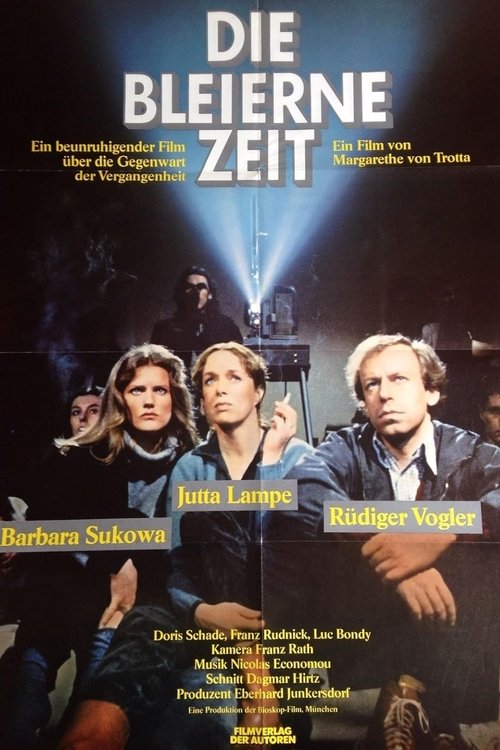
1981
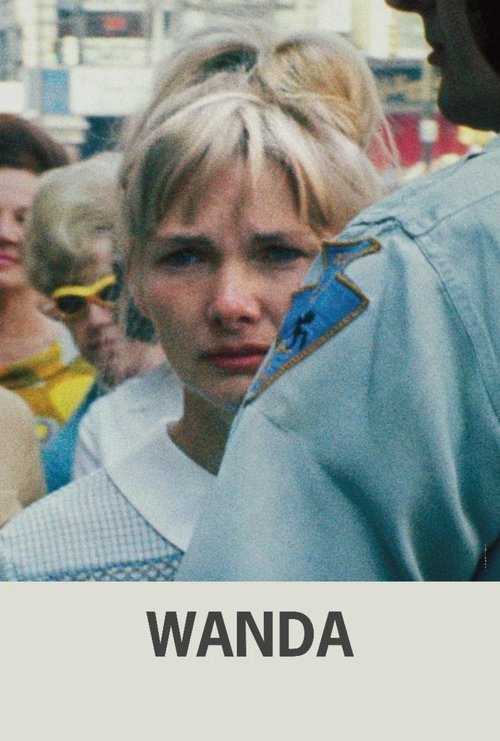
1970

1985

1982
No reviews yet. Be the first to share your thoughts on this movie!
Use the rating form above to leave a star rating and optional review.