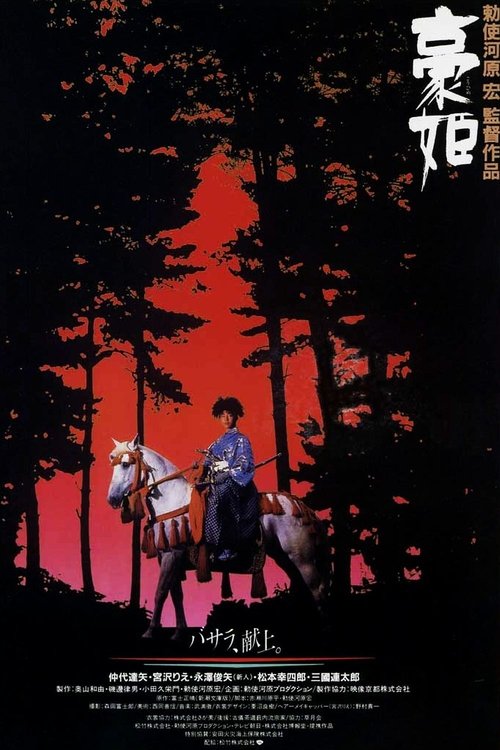
Basara: The Princess Goh
1992
No user ratings available yet
Representation score: 3.6 out of 10
Representation Score
Minimal
1957
Director
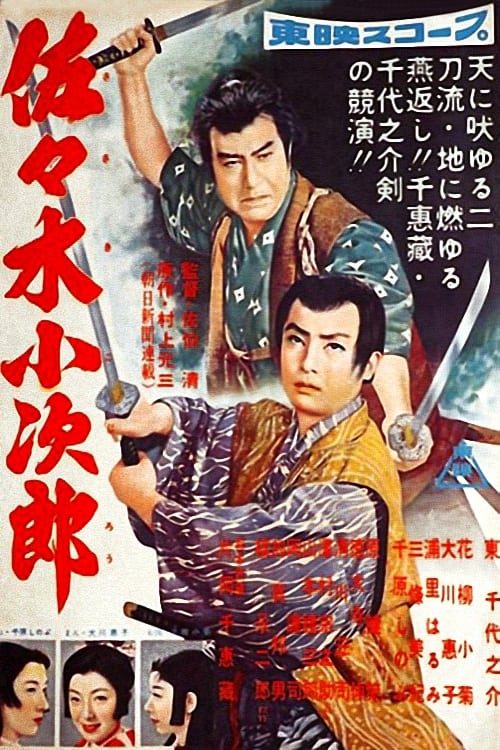
Kiyoshi Saeki
Runtime
87 minutes
Average Rating
No ratings yetNew Showbiz Analysis
Sasaki Kojiro (1957) is a traditional Japanese historical drama that focuses on the martial rivalry between Kojiro and Miyamoto Musashi. The film adheres to the established conventions of its genre, emphasizing themes of honor and individual skill. Because it is set in a specific historical era, it lacks modern multi-layered markers. Instead, it builds its narrative around rigid social frameworks and masculine archetypes common to mid-century Japanese cinema. Ultimately, the film serves as a standard representation of its genre, emphasizing the classical pursuit of mastery over disrupting social or gender hierarchies.
Category Breakdown
The film does not include any characters with LGBTQ+ identities or narratives that challenge the assumption that everyone is straight or cisgender.
The movie likely follows traditional patriarchal structures, emphasizing masculine archetypes of strength and combat over female roles.
The cast is ethnically homogeneous, reflecting the historical setting but lacking multi-layered racial blending.
The story engages with traditional Japanese values like bushido and martial discipline, centering on individual merit and established social hierarchies.
There is no information available regarding the inclusion of characters with physical or neurodivergent disabilities.
Present on Screen
Limited or Absent
Official Synopsis
Ronin Sasaki Kojiro pursues his ultimate goal of becoming a master swordsman. Along the way he encounters another great swordsman, Miyamoto Musashi.
1992
1954
1961
1955

2010
1959
1944

1960
No reviews yet. Be the first to share your thoughts on this movie!
Use the rating form above to leave a star rating and optional review.