
The Eight Hundred
2020
No user ratings available yet
Diversity score: 4.7 out of 10
2017
Director
Masato Harada
Runtime
150 minutes
Average Rating
No ratings yetSynopsis
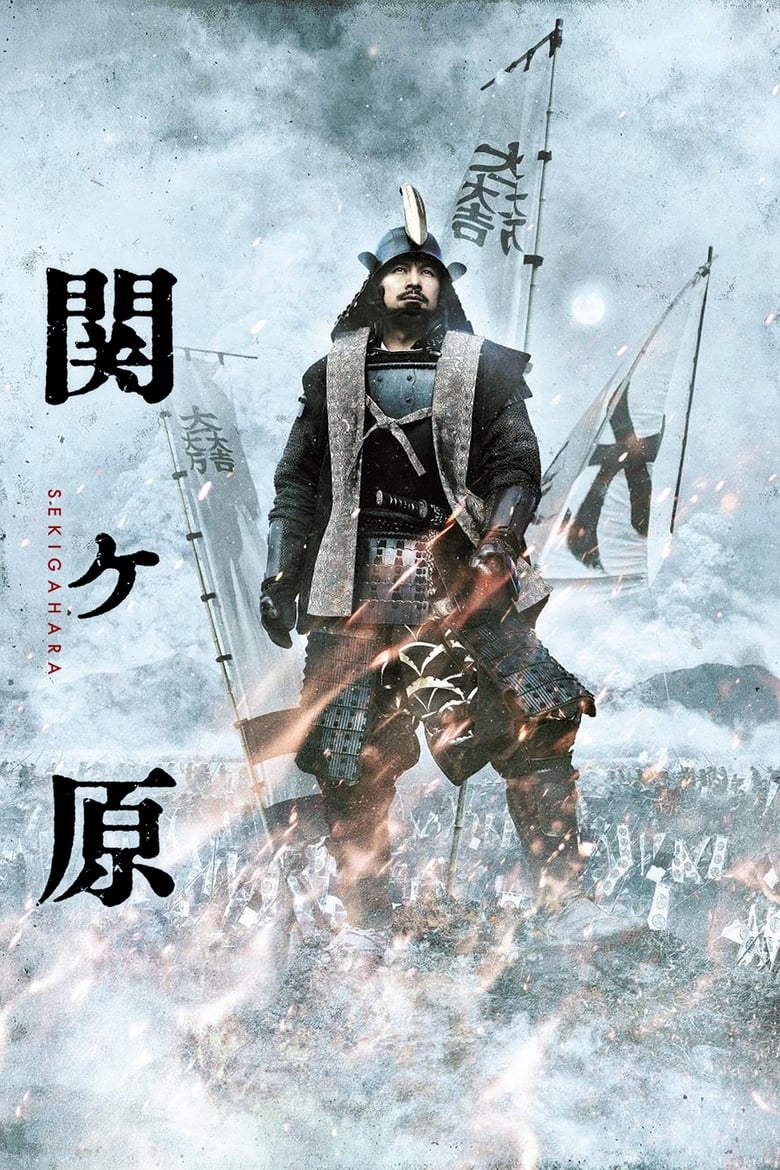
The background to and depiction of a watershed battle in Japanese history, at Sekigahara in 1600, when Tokugawa Ieyasu's Army of the East defeated the Army of the West of Ishida Mitsunari. The story includes the intrigues and shifting loyalties of the various retainers, family members, and samurai.
Overall Score
Limited
Category Breakdown
LGBTQ+ Representation
The film contains no discernible LGBTQ+ characters or narratives. The social landscape remains strictly heteronormative, adhering to the documented social constraints of the period.
Gender Representation
The narrative centers on male-dominated military and political spheres. While women appear within daimyo families, they primarily occupy traditional domestic or secondary roles within the patriarchal hierarchy.
Racial & Ethnic Diversity
Casting is highly congruent with the historical setting, featuring a predominantly Japanese cast. This avoids whitewashing but lacks intentional intersectional diversity or ethnic blending.
Religious & Cultural Diversity
The film explores moral ambiguity and situational ethics inherent to warfare. It depicts the systemic transition to a centralized shogunate without critiquing Western institutions or subversive ideologies.
Disability Representation
There is no significant focus on visible or invisible disabilities. Characters are defined by military rank and political utility rather than neurodivergent or physical differences.
Strengths
Areas for Improvement
AI Analysis
Sekigahara is a traditional historical epic that prioritizes period accuracy and the rigid hierarchies of the Sengoku period. The film functions as a meticulous reconstruction of 17th-century power dynamics rather than a tool for social subversion. The narrative architecture focuses on macro-level political maneuvering and military strategy. This results in a cinematic experience that reinforces established historical structures, emphasizing the tension between individual autonomy and state centralization. Ultimately, the film prioritizes historical realism over contemporary progressive representation. It captures the complex, shifting loyalties of the era through a lens that maintains traditional gender and social hierarchies.
No reviews yet. Be the first to share your thoughts on this movie!
Use the rating form above to leave a star rating and optional review.