
Rurouni Kenshin Part III: The Legend Ends
2014
No user ratings available yet
Representation score: 5.3 out of 10
Representation Score
Good
2021
TV-MADirector
Keishi Otomo
Runtime
138 minutes
Average Rating
No ratings yetNew Showbiz Analysis
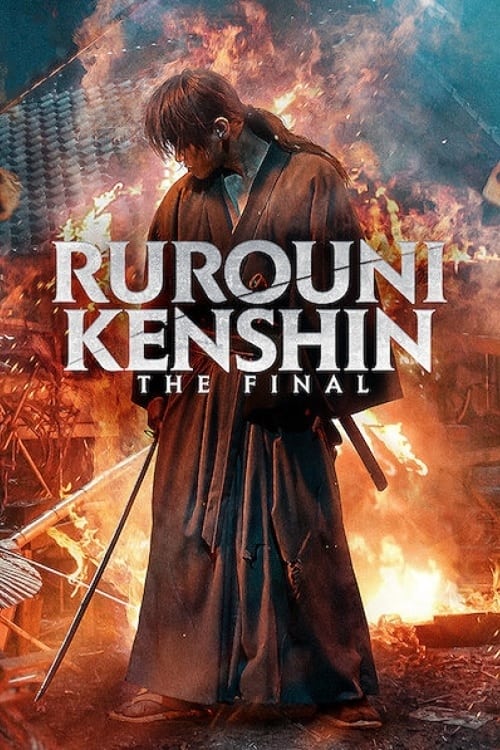
Rurouni Kenshin: The Final is a character-driven historical drama that prioritizes thematic depth over modern demographic diversification. It succeeds in challenging traditional gender roles by giving women central roles in the narrative's stakes. However, the film remains anchored in traditional structures and a culturally homogeneous casting approach. The narrative focuses on the psychological costs of societal evolution and the tension between institutional order and personal morality. While it offers a nuanced critique of modernization, it lacks representation of multiple aspects of identity.
Category Breakdown
The film centers on traditional heterosexual relationships and does not include any visible queer subtext or non-cisgender identities in the main characters' stories.
Female characters play significant roles in the emotional and action-driven plot, balancing the traditional emphasis on martial prowess.
The production features a predominantly Japanese cast to maintain historical accuracy. It avoids whitewashing by focusing on a culturally specific narrative of a nation undergoing modernization.
The story critiques rapid modernization and the shift to the Meiji era. It explores the tension between state authority and individual moral codes during systemic changes.
Physical trauma and combat scars serve as markers of character history and atonement. The film does not explore neurodivergence or the lived experiences of disabilities.
Present on Screen
Limited or Absent
Official Synopsis
In 1879, Kenshin and his allies face their strongest enemy yet: his former brother-in-law Enishi Yukishiro and his minions, who've vowed their revenge.
2014

1997
2014
2012
2021
2011
2020

2012
No reviews yet. Be the first to share your thoughts on this movie!
Use the rating form above to leave a star rating and optional review.