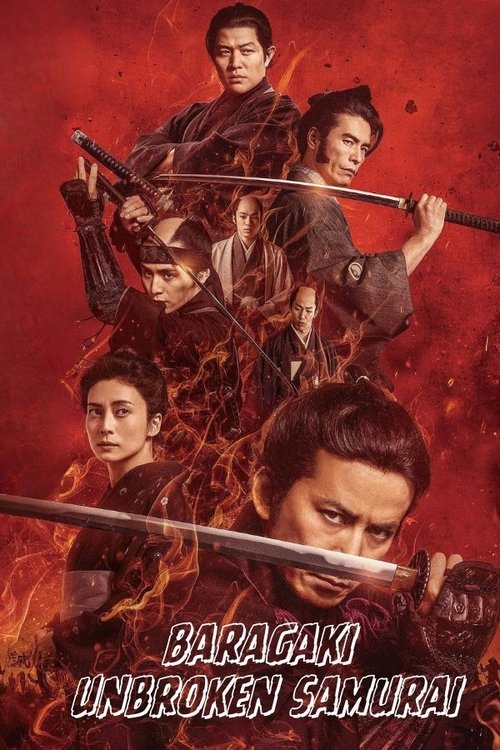
Baragaki: Unbroken Samurai
2021
No user ratings available yet
Diversity score: 3.8 out of 10

1990
Director
Kazuo Kuroki
Runtime
117 minutes
Average Rating
No ratings yetSynopsis
Near the end of Japanese civil war, several disgraced ronin living in Edo's red light district attempt to regain their honor by defending a brothel from a hostile militia bent on wiping out local prostitutes.
Overall Score
Limited
Category Breakdown
LGBTQ+ Representation
The film lacks evidence of non-cisnormative identities or same-sex intimacy. The red-light district setting focuses on heteronormative commerce without queer narrative agency.
Gender Representation
Women are central to the plot's stakes as the group being protected. However, agency remains with the male ronin, maintaining a traditional protector/protected dynamic.
Racial & Ethnic Diversity
The cast is inherently homogeneous, reflecting the demographic reality of the Edo period. There is no evidence of intersectional racial blending.
Religious & Cultural Diversity
The story explores traditional bushido ethics like honor and disgrace. It frames conflict through martial values rather than a systemic critique of social hierarchies.
Disability Representation
There is no mention of characters possessing visible or invisible disabilities within the narrative.
Strengths
Areas for Improvement
AI Analysis
Ronin-gai is a traditional period drama that adheres to historical genre tropes. It centers on a conflict between a militia and a marginalized community of prostitutes, but the narrative structure remains rooted in conventional masculine archetypes. The film's focus is on individual redemption and honor rather than the deconstruction of social hierarchies. While it highlights a vulnerable population, the power dynamics favor the male protagonists acting as defenders. Ultimately, the work functions as a localized historical piece that reflects the demographic and social norms of its setting without attempting modern intersectional subversion.
2021

2010

1962

1963

2020
No reviews yet. Be the first to share your thoughts on this movie!
Use the rating form above to leave a star rating and optional review.